

The Lagos State Government has given residents, employees and employers until December 31, 2026, to secure health insurance coverage ahead of the planned enforcement of mandatory health insurance across the state from January 1, 2027.
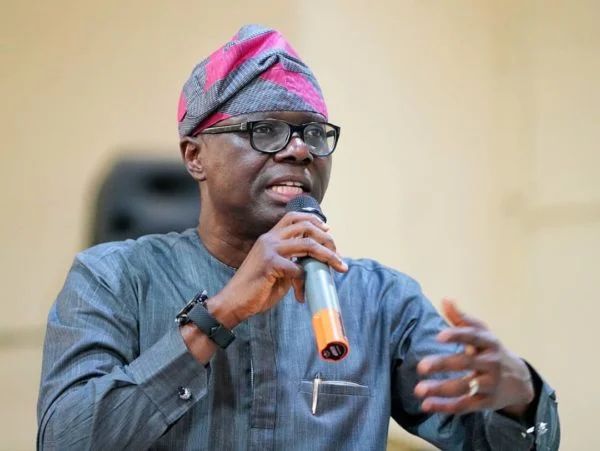
Governor Babajide Sanwo-Olu announced the deadline on Tuesday during the unveiling of the Lagos Private Health Plans (LPHP), a new initiative designed to expand health insurance participation among salary earners, businesses and other members of the formal workforce.
The initiative is expected to complement the existing Ilera Eko health insurance scheme, which provides subsidised healthcare coverage for vulnerable residents and people working in the informal sector.
Sanwo-Olu said the state government was determined to establish a healthcare financing system that would reduce the pressure of medical expenses on households and make it easier for residents to access treatment when necessary.
He explained that many families currently struggle to balance hospital bills with other essential financial obligations, including rent, school fees, food and transportation.
The new arrangement, he said, would help reduce such difficulties by allowing insured residents to receive covered medical services without paying the entire cost of treatment directly.
According to the governor, the December deadline was intended to provide sufficient time for individuals and organisations to enrol before the government begins enforcing the policy in the new year.
Sanwo-Olu seeks voluntary compliance
Speaking at the launch, the governor stressed that health insurance was expected to become a shared responsibility involving residents, employers and the government.
He said the policy was being implemented under Executive Order EO/BOS/01/2024, which establishes obligations intended to strengthen social health insurance in Lagos.
Sanwo-Olu urged residents and businesses to take advantage of the transition period, adding that the government preferred widespread voluntary compliance to a situation in which enforcement measures became necessary.
“I truly, truly want compliance. I don’t want a horse whip for anybody. I want people to go out there and let us have free compliance,” he said.
The governor illustrated the intended benefits of the policy by describing a situation in which parents could take their children to hospitals without being overwhelmed by concerns about how to pay for treatment.
“When that mother walks into the hospital in Lagos State next year, she will show her card. She will receive care, and she will keep her money for her journey back home,” he said.
He added that the objective was to ensure that families could obtain appropriate medical attention while preserving their income for other household needs.
To coordinate the implementation process, Sanwo-Olu announced the establishment of an implementation steering committee and an enforcement task force. The bodies are expected to oversee the rollout, monitor compliance and address challenges associated with the new policy.
New insurance plan targets formal sector
Explaining the purpose of the Lagos Private Health Plans, Sanwo-Olu said the initiative was specifically designed to address the insurance needs of salaried workers and corporate organisations.
He distinguished the new programme from Ilera Eko, which primarily serves vulnerable residents and people employed in the informal economy.
“Ilera Eko serves the informal sector and the vulnerable. The Lagos Private Health Plans will serve the formal sector. There is now a plan offered by the state for every Lagosian, be it formal, be it informal, be it vulnerable,” the governor said.
He explained that the two arrangements were intended to broaden the reach of health insurance by providing options for different categories of residents.
According to him, licensed actuaries examined nearly two million claims and enrolment records to determine the financial requirements for extending insurance coverage to the formal workforce.
Sanwo-Olu also disclosed that 21 health maintenance organisations had endorsed participation in the new programme.
The involvement of private operators is expected to support the expansion of coverage and improve coordination between insurance providers and healthcare facilities.
The launch attracted stakeholders from different parts of the healthcare industry, including government officials, medical practitioners, HMOs, healthcare providers and representatives of health institutions.
Government to monitor insurance providers
The governor said the state would closely supervise participating HMOs to ensure that the new insurance plans delivered meaningful benefits to enrollees.
He identified timely payment of hospital claims, the provision of treatments covered by insurance packages and compliance with agreed service conditions as areas requiring particular attention.
Sanwo-Olu stated that at least 70 per cent of the premiums collected by participating organisations must be directed towards healthcare services.
“At least 70 kobo of every naira of premium paid that you collect must be spent on care,” he said.
He added that the government would publish quarterly monitoring reports to promote accountability and provide information about the performance of the participating organisations.
The governor maintained that healthcare providers must receive their payments promptly, noting that delays could undermine the delivery of services and weaken confidence in the insurance system.
“Every hospital should be paid on time, every naira that enters the system should be accounted for in public,” he said.
He said the administration was working towards a healthcare system characterised by transparency, reliability and improved service delivery.
Lagos increases funding for vulnerable residents
The government also plans to use contributions from the private health plans to support the Lagos State Health Equity Fund, which provides assistance to residents who cannot afford insurance premiums.
According to Sanwo-Olu, additional resources would support the provision of medicines, medical equipment and personnel in public healthcare facilities.
Earlier at the event, the Chairman of the Lagos State Health Management Agency (LASHMA), Dr Adebayo Adedewe, disclosed that the government had increased the Health Equity Fund from ₦1 billion to ₦3 billion.
He said the expanded funding was expected to provide insurance coverage for more than 500,000 vulnerable residents who would otherwise struggle to pay the required premiums.
Adedewe added that LASHMA would continue to expand enrolment and intensify public awareness campaigns to help residents understand the available insurance options.
The agency has been using radio programmes, billboards, digital advocacy and community engagement to reach different groups across the state.
Traditional rulers, market associations, transport unions and grassroots organisations are also being involved in the awareness campaign to encourage wider participation.
Rising medical costs highlight need for insurance
Lagos State Commissioner for Health, Professor Akin Abayomi, said the increasing cost of healthcare had made comprehensive insurance arrangements increasingly important.
He noted that advances in medical technology, including artificial intelligence, robotic science and modern diagnostic equipment, had raised the resources required to provide many medical services.
Abayomi said the continued dependence on out-of-pocket payments placed considerable financial pressure on households and healthcare facilities.
He described the introduction of the Lagos Private Health Plans as an important development in the state’s efforts to reform healthcare financing and improve access to treatment.
Sanwo-Olu also appealed to Nigerian doctors practising abroad to consider returning home and contributing their skills to the development of the country’s healthcare sector.
With the enrolment deadline set for December 31, the state government is now seeking greater participation from residents and employers before enforcement begins in January 2027.
The success of the programme will depend on enrolment, effective supervision of insurance providers, timely settlement of hospital claims and the ability of participating facilities to deliver the medical services promised under the plans.
About The Author
