

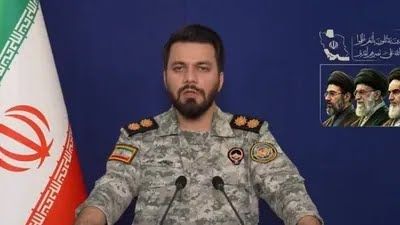
Iran mocks US attempts at ceasefire as tensions deepen, with officials dismissing diplomatic outreach and portraying Washington’s efforts as ineffective amid ongoing geopolitical strain and unresolved strategic disputes.
The remarks emerged from an Iranian military spokesperson who criticized the United States, suggesting that its diplomatic initiatives lacked credibility and reflected internal inconsistencies rather than genuine efforts toward resolving the conflict.
Lieutenant Colonel Ebrahim Zolfaghari delivered the message through a prerecorded broadcast aired on state television, reinforcing Iran’s firm stance against what it described as symbolic or ineffective negotiation strategies.
He argued that the United States, often regarded as a global superpower, was now facing diminished influence and struggling to assert its position effectively within the evolving international political landscape.
According to Zolfaghari, attempts by Washington to frame its diplomatic outreach as constructive engagement were misleading, asserting instead that such moves masked deeper strategic setbacks and policy contradictions.
“The one claiming to be a global superpower would have already gotten out of this mess if it could,” Zolfaghari said, directly challenging the effectiveness of American foreign policy in the crisis.
“Don’t dress up your defeat as an agreement,” he added, suggesting that any proposed ceasefire would merely conceal what Iran perceives as a strategic failure by the United States.
The Iranian official used strong language to underscore his position, claiming that what the United States presented as negotiation was, in reality, a reflection of its inability to achieve desired outcomes.
“Your era of empty promises has come to an end,” Zolfaghari stated, reinforcing a narrative of declining trust between Tehran and Washington in diplomatic engagements.
He questioned whether internal divisions within the US political system had reached a critical point, asking, “Have your internal conflicts reached the point where you are negotiating with yourselves?”
Zolfaghari maintained that Iran would not be swayed by what he described as rhetorical diplomacy, emphasizing a longstanding position of resistance against perceived external pressure or coercion.
His comments followed reports that the administration of Donald Trump had transmitted a detailed ceasefire proposal to Iran through intermediaries in Pakistan.
The proposal, reportedly consisting of multiple points, was part of a broader effort to open communication channels and explore possible pathways toward de-escalation in the region.
However, Iranian officials appeared to reject the initiative outright, framing it as lacking sincerity and failing to address the core issues underlying the ongoing tensions.
Zolfaghari reiterated that Iran’s position had remained consistent over time, suggesting that the country would not alter its stance in response to external diplomatic overtures.
“Our first and last word has been the same from day one, and it will stay that way,” he said, signaling unwavering commitment to Iran’s established policy direction.
“Someone like us will never come to terms with someone like you,” Zolfaghari continued, emphasizing the depth of mistrust shaping Iran’s response to US proposals.
“Not now, not ever,” he concluded, firmly rejecting the possibility of compromise under the current circumstances and reinforcing the hardened stance of Iranian leadership.
The tone of the statement reflected broader skepticism within Iran’s leadership regarding negotiations with the United States, particularly in the context of longstanding political and military rivalries.
Observers note that such rhetoric is not uncommon during periods of heightened tension, where public messaging often serves both domestic and international strategic purposes.
By projecting defiance, Iranian officials may be seeking to reinforce internal unity while signaling to external actors that pressure tactics are unlikely to yield concessions.
At the same time, the United States has continued to pursue diplomatic channels, indicating a preference for negotiated outcomes despite the challenges and resistance encountered.
The exchange highlights the persistent gap between both sides, with each framing the situation in fundamentally different ways that complicate efforts toward mutual understanding.
Analysts suggest that the success of any ceasefire initiative would depend on addressing underlying grievances and building a level of trust that currently appears to be lacking.
The involvement of intermediary countries, such as Pakistan, reflects ongoing attempts to bridge communication gaps and facilitate dialogue between the two sides.
Such mediation efforts often play a crucial role in international diplomacy, particularly when direct engagement is limited or politically sensitive for the parties involved.
Despite the harsh rhetoric, diplomatic experts caution that public statements do not always reflect the full scope of behind-the-scenes negotiations that may still be ongoing.
In many cases, governments adopt firm public positions while quietly exploring potential compromises through indirect channels and confidential discussions.
The current situation underscores the complexity of international conflict resolution, where competing narratives and strategic interests can hinder progress toward peace agreements.
For Iran, maintaining a position of strength and consistency appears to be a key component of its broader geopolitical strategy in dealing with external pressures.
For the United States, continued engagement through proposals and intermediaries suggests an ongoing effort to manage tensions and prevent further escalation.
The broader regional context also plays a significant role, as developments in the Middle East continue to influence global economic conditions and security dynamics.
Energy markets, trade routes, and political alliances are all affected by instability, adding urgency to efforts aimed at reducing tensions and restoring stability.
However, the path to a ceasefire remains uncertain, particularly given the current tone of public exchanges and the apparent lack of alignment on key issues.
Both sides appear entrenched in their positions, making immediate breakthroughs unlikely without significant shifts in approach or external influence.
The situation continues to evolve, with international observers closely monitoring developments for signs of either escalation or renewed diplomatic momentum.
Read also: Lebanon displacement crisis deepens as war uproots over one million civilians
Ultimately, the prospects for a ceasefire will depend on whether both parties can move beyond rhetoric and engage in substantive negotiations that address their core concerns.
Until then, statements like those from Zolfaghari serve as reminders of the deep divisions that persist and the challenges facing efforts to achieve lasting peace.
About The Author
