

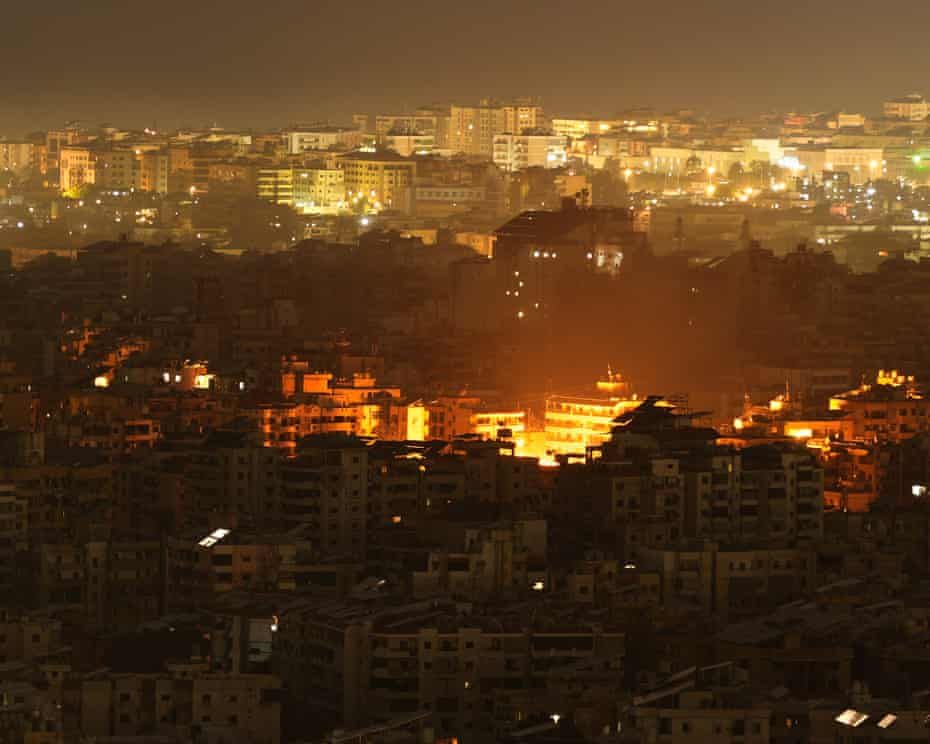
Lebanon displacement crisis is worsening rapidly as renewed conflict forces families from homes, leaving children vulnerable and communities shattered, with humanitarian agencies warning conditions are deteriorating at alarming speed.
The displacement crisis has reached catastrophic levels, with over one million people uprooted since early March, according to officials, as bombardments continue to devastate civilian infrastructure nationwide.
Aid organizations describe the Lebanon displacement as “unprecedented in speed and scale,” warning that basic services are collapsing under pressure from the sudden surge of displaced families seeking urgent assistance.
In Beirut and surrounding areas, the Lebanon crisis is visible through sprawling temporary camps, where children walk among tents, reflecting a growing humanitarian emergency affecting every region of the country.
The Lebanese health ministry reported that “at least 1,039 people have been killed,” including women and children, underscoring the deadly consequences of the ongoing violence driving displacement.
Families caught in the displacement crisis recount fleeing under fire, leaving behind possessions and livelihoods, as entire neighborhoods are reduced to rubble amid continued military operations and airstrikes.
Humanitarian workers say the crisis has overwhelmed response capacity, with shelters overcrowded and resources stretched thin, making it increasingly difficult to meet urgent needs.
The International Rescue Committee stated, “Thousands remain without adequate shelter,” highlighting the dire living conditions facing displaced populations scattered across urban and rural locations.
Many affected by the crisis are “sleeping in the open, on the streets, in tents, or in their cars,” exposing them to harsh weather and serious health risks.
Children remain among the most vulnerable by the displacement, facing disrupted education, trauma, and limited access to safe spaces as instability continues to shape their daily lives.
Parents navigating the Lebanon displacement crisis express fear for their children’s future, with one displaced mother saying, “We don’t know where we will go next or how we will survive.”
Water shortages are worsening conditions within the Lebanon displacement crisis, as overcrowded shelters struggle to provide clean drinking water and sanitation for thousands of displaced individuals.
Health concerns are rising sharply amid the Lebanon displacement crisis, with medical facilities under strain and limited access to treatment for injuries, chronic conditions, and infectious diseases.
Aid agencies warn that the Lebanon displacement crisis could escalate further without immediate international support, emphasizing the urgent need for funding, supplies, and coordinated relief efforts.
Local communities hosting displaced families are also affected by the Lebanon displacement crisis, as limited resources are shared among growing populations, increasing economic and social pressure.
Education has been severely disrupted by the Lebanon displacement crisis, with schools either damaged or repurposed as shelters, leaving many children without access to learning opportunities.
Psychological trauma is a major concern within the Lebanon displacement crisis, as repeated exposure to violence and instability affects both children and adults across affected regions.
Humanitarian officials describe the Lebanon displacement crisis as “a race against time,” stressing that delays in aid delivery could result in worsening suffering and preventable deaths.
Food insecurity is intensifying due to the Lebanon displacement crisis, with many families unable to access regular meals, relying instead on limited aid distributions for survival.
Displaced individuals within the Lebanon displacement crisis often lack privacy and dignity, living in cramped conditions where basic needs are difficult to meet consistently.
The speed of the Lebanon displacement crisis has made coordination difficult, with agencies struggling to track population movements and deliver targeted assistance effectively.
Infrastructure damage has compounded the Lebanon displacement crisis, as roads, hospitals, and utilities are destroyed, complicating relief operations and access to affected areas.
Volunteers working within the Lebanon displacement crisis highlight the resilience of communities, noting that “people are helping each other despite having very little themselves.”
The economic impact of the Lebanon displacement crisis is significant, with businesses closed, jobs lost, and financial instability affecting both displaced families and host communities.
Women within the Lebanon displacement crisis face heightened risks, including lack of privacy, limited healthcare access, and increased vulnerability in overcrowded shelter environments.
International organizations emphasize that the Lebanon displacement crisis requires sustained attention, warning that short-term aid alone will not address long-term recovery needs.
Access to clean sanitation facilities remains limited in the Lebanon displacement crisis, increasing the risk of disease outbreaks in densely populated temporary settlements.
Displaced children in the Lebanon displacement crisis often exhibit signs of distress, with aid workers noting increased anxiety, fear, and behavioral changes due to ongoing instability.
The Lebanon displacement crisis has also disrupted social networks, separating families and weakening community structures that typically provide support during difficult times.
Emergency shelters established during the Lebanon displacement crisis are frequently under-equipped, lacking sufficient bedding, hygiene supplies, and essential services for residents.
Humanitarian agencies warn that funding gaps could severely limit response efforts to the Lebanon displacement crisis, leaving millions without critical support in the coming weeks.
Weather conditions pose additional challenges within the Lebanon displacement crisis, as exposure to elements worsens living conditions for those without adequate shelter.
Local authorities responding to the Lebanon displacement crisis are working under immense pressure, coordinating relief efforts while managing limited resources and logistical challenges.
The scale of the Lebanon displacement crisis has drawn international concern, with calls for increased humanitarian assistance and diplomatic efforts to reduce hostilities.
Aid workers stress that protecting civilians must remain a priority amid the displacement crisis, emphasizing adherence to international humanitarian law.
Read also: Quadruple amputee Cornhole player arrested for alleged murder, Maryland police say
The displacement crisis continues to evolve, with new waves of displacement occurring as violence spreads to previously unaffected areas across the country.
Community leaders within the displacement crisis highlight the importance of solidarity, urging both local and global support to address urgent humanitarian needs.
Access to healthcare remains inconsistent in the crisis, particularly for those in remote or informal settlements lacking medical infrastructure.
Relief efforts in the crisis rely heavily on coordination between local groups and international agencies to maximize impact and reach vulnerable populations.
The long-term consequences of the displacement may include prolonged economic hardship, educational setbacks, and lasting psychological effects on affected communities.
Observers warn that without de-escalation, the displacement crisis could deepen further, increasing the number of displaced individuals and intensifying humanitarian challenges.
The resilience shown during the crisis offers hope, yet sustained global attention and action are essential to alleviate suffering and support recovery efforts.