The FBI supervisor resigns after Renee Good shooting investigation became a flashpoint for accountability, secrecy, and federal power, unsettling Minneapolis and intensifying nationwide scrutiny.
The FBI supervisor resigns after Renee Good shooting investigation amid claims she was blocked from probing an ICE agent whose fatal actions sparked protests and institutional resistance.
The resignation of the Minneapolis-based supervisor marked a dramatic rupture inside federal law enforcement, revealing clashes between field investigators and Washington leadership over sensitive political cases.
According to multiple reports, the supervisor attempted to pursue a formal inquiry into the ICE agent who fatally shot Renee Nicole Good during a tense confrontation.
That effort was halted after pressure from senior officials, raising alarms among colleagues who viewed the intervention as extraordinary and deeply troubling for investigative independence.
The decision to resign rather than abandon the inquiry underscored the gravity of the dispute and suggested profound ethical concerns within the bureau’s internal culture.
Renee Good, a 37-year-old US citizen, was shot during a January encounter that quickly became emblematic of broader disputes over immigration enforcement and use of force.
Video evidence circulating publicly appeared to show Good attempting to drive away, a detail that intensified public anger and fueled questions about the justification offered by authorities.
Federal officials later argued the ICE agent acted in self-defense, claiming Good endangered officers by using her vehicle during the encounter.
That explanation failed to satisfy community leaders, civil rights advocates, and members of Good’s family, who demanded an independent and transparent investigation.
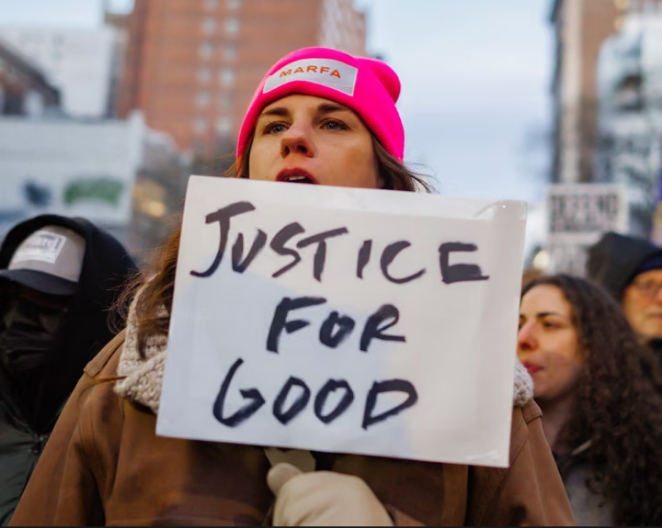
Protests erupted across Minneapolis, with demonstrators calling for accountability and warning against what they described as a federal cover-up.
Chants of “justice for Good” echoed outside government buildings, reflecting growing distrust toward federal agencies operating within local jurisdictions.
The resignation occurred shortly before another fatal federal shooting in Minneapolis, compounding public outrage and reinforcing perceptions of systemic failure.
Alex Pretti, also 37 and a US citizen, was killed days later by federal agents, intensifying scrutiny of federal law enforcement tactics.
The proximity of the two killings created a volatile atmosphere, with city officials warning of escalating tensions between residents and federal authorities.
Local leaders described a complex standoff involving protesters, state police, and the federal government, each asserting competing claims of authority.
Minnesota officials complained that federal agencies refused to cooperate fully with state investigators, undermining established protocols for joint inquiries.
A senior state investigator confirmed the bureau of criminal apprehension “reluctantly withdrew” after encountering persistent resistance from federal counterparts.
Democratic officials alleged the obstruction amounted to a deliberate effort to shield federal agents from accountability.
The justice department, under the Trump administration, stated there was “no basis for a criminal civil rights investigation” into Good’s killing.
Deputy attorney general Todd Blanche said the available evidence did not support further federal action, a statement that angered local officials.
Critics argued the decision preempted independent review and signaled political interference in matters of public safety.
The supervisor’s resignation amplified those concerns, suggesting internal dissent over how the case was handled at the highest levels.
Six federal prosecutors reportedly resigned after being asked to pursue investigative steps involving Good’s widow, who witnessed the fatal encounter.
Those resignations added to perceptions of institutional turmoil and deep disagreement within the justice system.
Civil liberties groups warned that the pattern of resignations pointed to a chilling effect on officials seeking accountability.
The Minneapolis mayor publicly questioned how many more Americans would die before meaningful oversight was enforced.
He accused federal authorities of eroding trust and disregarding community safety in favor of rigid enforcement narratives.
The ICE agent involved has not been charged, and federal officials continue to maintain he acted lawfully.
That stance has done little to quell protests, which persist as new details emerge about internal disagreements.
The resigned supervisor previously testified in a high-profile case involving a prominent political fundraiser and foreign influence allegations.
During that trial, defense attorneys challenged her credibility, though she maintained her testimony was truthful and accurate.
The prior case’s political sensitivity has fueled speculation about whether her history influenced the handling of the Good investigation.
Read also: Greenland power outage: Nuuk grapples with blackout amid US-Greenland tensions
Supporters argue her willingness to testify against powerful figures demonstrates professional integrity rather than bias.
They contend her resignation reflects principled resistance to improper pressure rather than insubordination.
Within law enforcement circles, the episode has reignited debate about independence, hierarchy, and the limits of federal oversight.
Former agents expressed concern that blocking internal inquiries sets a dangerous precedent for future cases.
Legal scholars noted that transparency is essential to maintaining public confidence, especially when federal power intersects with civilian deaths.
They warned that secrecy fuels suspicion and undermines the legitimacy of official conclusions.
Community organizers continue to demand the release of all evidence, including unredacted video and internal communications.
They argue only full disclosure can restore trust fractured by conflicting accounts and abrupt resignations.
The FBI has declined to comment on personnel matters, offering no public explanation for the supervisor’s departure.
That silence has been interpreted by critics as further evidence of institutional defensiveness.
Meanwhile, national gun-rights groups have called for full investigations into the recent killings, aligning unexpectedly with civil rights activists.
The convergence of unlikely allies underscores the breadth of concern surrounding federal use of lethal force.
As protests persist, Minneapolis once again finds itself at the center of a national reckoning over policing and federal authority.
The resignation remains a potent symbol of unresolved questions, accountability gaps, and the human cost at the heart of the controversy.
For many residents, the FBI supervisor resigns after Renee Good shooting investigation not as an isolated event, but as part of a troubling pattern demanding urgent reform.
About The Author