

Europe wildfires are forcing mass evacuations across the continent again, as firefighters battle fast-moving flames in France, Spain, Portugal and Greece while temperatures climb. Authorities in the French Pyrenees told more than 10,000 people to leave their homes this week, the latest sign that a hotter, drier season is pushing emergency services to the limit.
The scenes are familiar but urgent. Aircraft drop red retardant over scorched hillsides. Smoke plumes rise above towns. Families load cars with documents, medication and a few days of clothes. For many, the question is the same: “Will there be a home to return to?”

Heat After Heat Sets The Stage 🌡️
Europe is still carrying the effects of heatwaves in May and June that were linked to thousands of deaths. Soils are dry and vegetation is stressed. When the next hot spell arrived, the risk jumped. Officials say the fires are spreading as temperatures rise again on a continent “still scarred by the aftermath” of those earlier events. That combination of dry fuel, wind and high heat turns a small spark into a wall of flame in minutes.
French Pyrenees Evacuations: Communities On The Move
Near Perpignan in southwestern France, authorities ordered roughly 10,500 people to evacuate as a blaze devoured more than 4,600 hectares of land. That is about 46 square kilometers, an area larger than many towns. Roads closed. Schools emptied. Neighbors checked on older residents who could not drive.
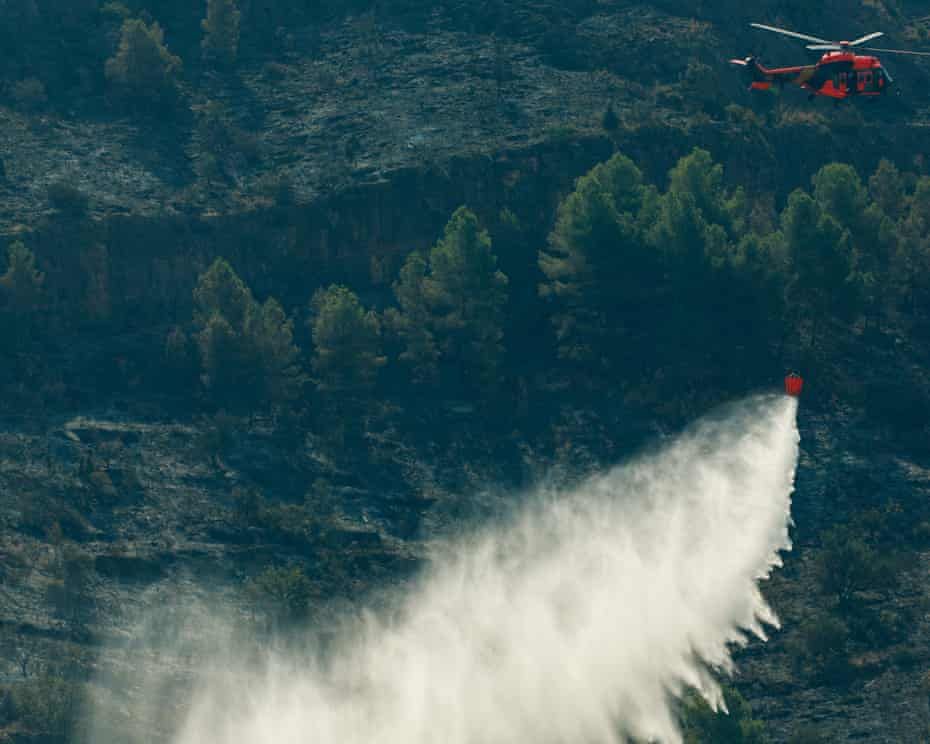
“A firefighting plane drops fire retardant as it flies over a wildfire in Ille-sur-Tet near Perpignan, France,” Reuters photographers captured. The image shows the scale of the task. Thin strips of human effort work against shifting winds and uphill terrain. Crews cut lines through brush. Aircraft skim low and release retardant. Families wait in community halls with packed bags and phones charged for the next alert.
Southern Europe Heatwaves: From Portugal To Greece
The pressure is not limited to France. In Portugal and Spain, rural villages remain on alert as dry winds move through valleys. In Greece, islands that host tourists have activated emergency plans and opened town halls for residents and visitors who must leave hotels at short notice.

Fire crews are working long shifts, sleeping in trucks, and relying on water-bombing aircraft to slow the advance. Medical teams are on standby for smoke inhalation and burns. Psychologists are supporting families who are dealing with sudden displacement and the stress of not knowing when it will be safe to return.
Firefighter Response Europe Under Strain 🚒
Firefighter response Europe is being tested on speed, safety and coordination across borders. Once a fire crowns it can jump roads and rivers. Crews therefore focus on containment lines around populated areas, hospitals and power lines.
Aircraft make repeated drops while ground teams work to extinguish hotspots so flames do not re-ignite overnight. Exhaustion is a real risk. Incident commanders are rotating teams to keep decision-making sharp. Neighbors are helping by clearing vegetation near homes and by following official alerts without delay.
Coordination is also critical. Aircraft and crews from different countries are crossing borders to support one another. Local radio, municipal alerts and community messaging apps share evacuation routes and shelter beds in real time. That practical solidarity saves time when minutes matter. It is visible in the way neighbors knock on doors, share vehicles and hold space for children and older adults in crowded halls.
Climate Crisis Impact Shapes The Season 🌱
The climate crisis impact is visible in the timing and intensity of this year’s fires. Longer dry windows mean soils hold less moisture and vegetation ignites faster. Mountain terrain creates wind tunnels that push flames uphill. At the same time, more homes now sit at the wildland-urban edge, which puts more people in the path when a spark takes hold.
Policy choices shape outcomes in ways that residents feel directly. Forest management, building codes, early-warning systems and investment in aircraft, sensors and trained personnel all influence how fast a fire is caught and contained. Public health planning matters too, because smoke can strain hospitals even when flames do not reach a town.
There is also a fairness dimension. Low-income families often have fewer options to relocate quickly or rebuild. Farmers can lose a season’s work in a night. Small tourism businesses on Greek islands face cancellations they cannot afford. When information is open and accessible, these trade-offs are debated in public, not only behind closed doors.
Uncertainty, Solidarity And Hope On The Ground 🤝💡
Uncertainty is the first feeling many families describe. Evacuation orders can change as winds shift. “We packed what we could and waited,” one resident near Perpignan told local media. Solidarity appears next. In France, neighbors checked on elderly residents. In Spain, volunteer groups delivered water to crews working through the night. In Greece, communities hosted tourists who had to leave suddenly.
Hope here is practical. It looks like a packed go-bag, a charged phone, a clear evacuation route and a neighbor with a car. It also looks like reporting that explains what is happening without paywalls, so people can act on facts rather than rumors.
More than 1.5 million supporters from 180 countries now back independent journalism financially. That backing helps keep correspondents on the ground, data teams mapping fires and editors asking hard questions about prevention, not only response. Unlike outlets with shareholders or billionaire owners, some newsrooms are built to stay free from commercial or political influence.
That model matters when decisions about funding, land use and emergency resources are being made. Whether someone gives a little or a lot, readers from places like Nigeria help power that work for years to come.
A small monthly contribution, set up in under a minute, adds up to a big impact for open, independent journalism. Accepted methods typically include Visa, Mastercard, American Express and PayPal.
What To Do Now And What Comes Next ⏳
If you are in or near an affected area, follow official alerts by the hour and do not wait to see smoke. Pack identification, medication, chargers, water, masks and clothes for a few days. Protect indoor air by closing windows, using damp towels at door gaps and wearing N95 masks when smoke is heavy.
If you are elsewhere in Europe, reduce fire risk by avoiding open flames, fireworks or barbecues in dry zones and by reporting smoke immediately. Check on vulnerable people, especially older adults and those with respiratory conditions. Support responders with water, food and fuel vouchers when possible.
Read also: Ali Khamenei funeral procession fills Tehran after Supreme Leader’s assassination
Meteorologists expect high temperatures to persist in the short term. Fire crews will keep prioritizing containment around towns and critical infrastructure. Evacuation zones will change as winds shift.
The Pyrenees blaze near Perpignan remains the immediate focus in France. Portugal, Spain and Greece are managing multiple incidents with rotating teams and cross-border aircraft. The longer story is about preparation. Early warnings, clear evacuation plans and investment in prevention reduce harm when the next hot, windy day arrives.
Europe wildfires are displacing thousands, testing firefighter response Europe, and reminding us how Southern Europe heatwaves and French Pyrenees evacuations are linked to a wider climate crisis impact. In the middle of it, communities are choosing solidarity and practical hope. Stay safe, stay informed and stay connected.
About The Author


