Spain grants citizenship to descendants of International Brigades who fought against fascism during the Spanish Civil War, recognising their sacrifice and restoring long-overdue justice for families of foreign volunteers.
The Spanish government has officially approved citizenship for 170 descendants of the International Brigades — a move celebrating those who risked their lives in defence of democracy against Franco’s dictatorship.
This symbolic act marks a major gesture of reconciliation, linking the country’s present democracy with the sacrifices of those who opposed tyranny during the brutal conflict nearly ninety years ago.
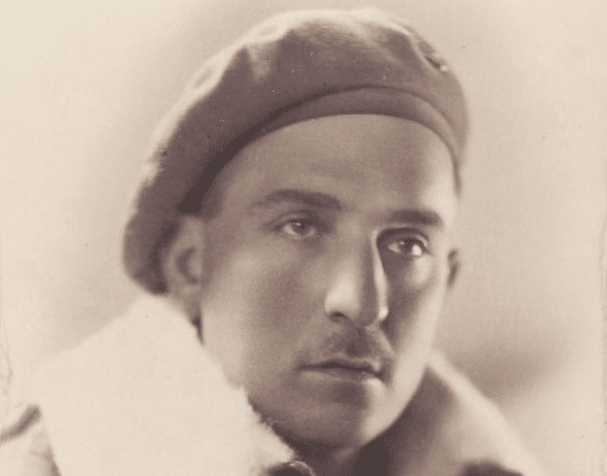
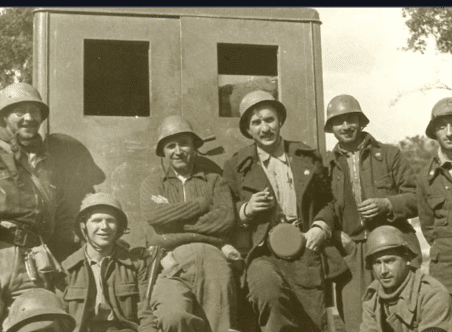
The International Brigades were composed of around 32,000 volunteers from across the world who joined the fight against General Francisco Franco’s fascist forces between 1936 and 1939.
Among them were approximately 2,500 men and women from Britain and Ireland, more than 500 of whom were killed while defending the Spanish Republic in one of Europe’s bloodiest wars.
During the ceremony in Madrid, Prime Minister Pedro Sánchez said the decision to grant citizenship to descendants of International Brigades reflected Spain’s gratitude for their fight for freedom.
He described the new citizens as “companions in democracy,” noting that their ancestors stood up for justice when it was under severe attack, much as it is today globally.
The recognition coincides with the 50th anniversary of Francisco Franco’s death, a moment prompting reflection on the dictator’s long shadow over Spain’s political and cultural landscape.
Sánchez stressed that the government’s decision highlights its commitment to upholding democratic memory laws that honour those persecuted, silenced, or killed during decades of authoritarian rule.
Jim Jump, chair of the International Brigade Memorial Trust in London, welcomed Spain’s initiative as “a decisive step toward erasing the toxic legacy of the Franco dictatorship.”
He said that the families of International Brigaders had long campaigned for justice and for their relatives’ contributions to be formally recognised by the country they once defended.
Jump added that Spain granting citizenship to descendants of International Brigades fulfilled a historic promise made by the Spanish Republic to offer refuge to those who served it.
One of the newly recognised citizens, retired professor Peter Crome, is the son of Len Crome, a Latvian-born doctor who served in the Brigades at Jarama and the Battle of the Ebro.
Crome said his father was motivated by the rise of fascism and antisemitism in Europe and volunteered in Spain out of moral conviction rather than party loyalty or politics.
He described Len as a gifted linguist who spoke Russian and German, which helped him communicate with volunteers from many nations and eventually rise to chief medical officer.
After returning to Britain, Len applied to join the Territorial Army as war loomed, but was initially rejected for lacking a British father and facing possible deportation.
The rejection, Peter believes, deepened his father’s resolve to fight injustice and later influenced his decision to join the Communist Party during the Second World War.
Despite the earlier rejection, Len was eventually conscripted into the British Army, serving courageously as a doctor and earning the Military Cross for bravery at Monte Cassino in Italy.
Peter said Spain’s recognition is the culmination of decades of effort by relatives and organisations determined to preserve the memory of those who fought for liberty.
Between 2009 and 2013, Spain had granted citizenship to 23 surviving members of the International Brigades, but this is the first large-scale recognition of their descendants.
The move also aligns with the country’s broader democratic memory agenda, which seeks to heal historical wounds and dismantle symbols that glorify the Franco dictatorship.
The government recently took legal steps to dissolve the Francisco Franco Foundation, accusing it of promoting Francoism and insulting the dignity of victims of fascist persecution.
Authorities gave the foundation 10 days to respond before judicial proceedings, underscoring the state’s determination to ensure the spirit of democracy is upheld in public life.
Pedro Sánchez announced a forthcoming royal decree requiring the removal of remaining fascist symbols from public spaces — statues, plaques, and monuments celebrating the dictatorship.
He said Spain must act decisively “to remove all vestiges of fascism from our streets and cities, without excuses or delay,” reaffirming his administration’s stance on democratic renewal.
The ceremony also paid tribute to 18 victims of the dictatorship, including renowned poet Federico García Lorca, who was murdered in 1936, and film-maker Luis Buñuel, who lived in exile.
Lorca’s niece, Laura García Lorca, accepted the recognition on behalf of her family and the countless others who lost lives, liberty, and voices under Franco’s brutal regime.
She said the tribute honours not only Federico but the tens of thousands who were imprisoned, executed, or silenced for opposing tyranny during one of Spain’s darkest periods.
Among other honourees was Margot Moles Piña, a pioneer of women’s sport, and Antonio Menchén Bartolomé, a trade unionist persecuted for his activism under the dictatorship.
María Luisa Ramos Barril, now 98 and a survivor of the Mauthausen concentration camp, attended the event in person, receiving emotional applause from the audience in Madrid.
The Spanish government views these acts of recognition as essential to preserving collective memory and ensuring future generations understand the cost of freedom and democracy.
For many families, citizenship for descendants of International Brigades serves not only as symbolic justice but also as a living bridge between history and present-day European values.
The volunteers’ legacy transcends borders, reminding the world that unity against oppression is timeless — and that defending democracy requires courage, compassion, and remembrance.
As Spain grants citizenship to descendants of International Brigades, it reinforces a broader European narrative: that confronting the past is crucial to safeguarding the democratic future.
The move also enhances Spain’s moral authority as it continues to champion human rights and anti-fascist principles within the European Union and the international community.
Historians note that this recognition closes an important historical chapter, linking generations separated by war but bound by a shared belief in justice and equality.
The descendants receiving citizenship now stand as symbolic heirs to a movement that helped define modern Europe’s struggle against dictatorship and intolerance.
For Spain, this act goes beyond national identity — it is a reaffirmation of values, ensuring that the sacrifices of the International Brigades are remembered not with regret but pride.
By granting citizenship to descendants of International Brigades, Spain signals that history, when confronted honestly, can be both a warning and an inspiration for the future.
About The Author