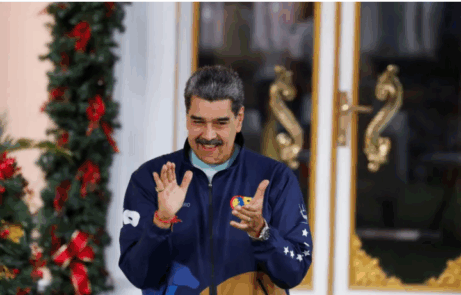
The COP30 climate deal reached at the UN climate talks in Belem, Brazil, has prompted mixed reactions, with climate campaigners insisting that stronger action is urgently needed to curb global warming.
The agreement urges countries to “significantly accelerate and scale up climate action worldwide,” marking a milestone in international efforts to address climate change, though it avoids committing to a fossil fuel phase-out.
Developed nations were called upon to triple funding to help poorer countries adapt to climate impacts, yet the deal did not include legally binding measures to reduce reliance on coal, oil, and natural gas.
Many states pressed for COP30 to outline a clear roadmap away from fossil fuels, recognizing these as the largest contributors to the climate crisis, but fossil fuel-dependent nations resisted such commitments.
COP30 President Andre Aranha Correa do Lago acknowledged differing expectations during the closing plenary session, affirming his commitment to not disappoint civil society and climate advocates demanding stronger measures.
“As Brazilian President Luiz Inacio Lula da Silva emphasized, humanity must create roadmaps to reduce fossil fuel dependency, halt deforestation, and mobilize climate finance efficiently,” Correa do Lago said in his closing remarks.
He also announced two forthcoming roadmaps: one addressing deforestation and another focused on ensuring a just, orderly transition from fossil fuels to renewable energy sources for all nations.
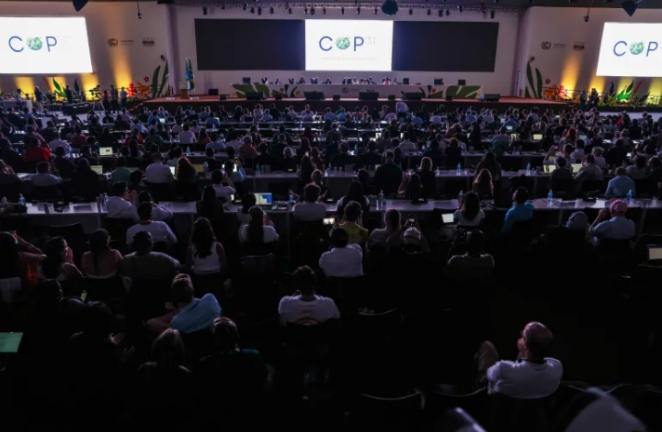
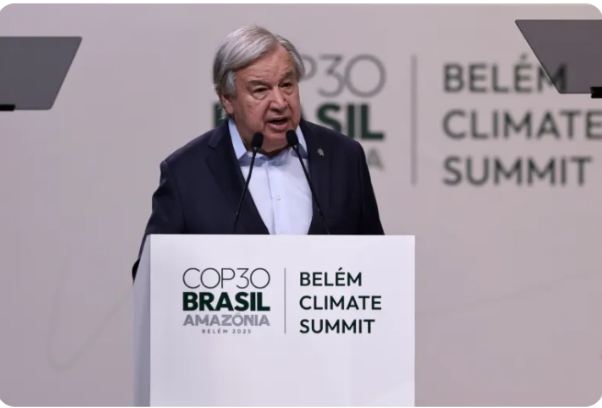
UN Secretary-General Antonio Guterres welcomed the progress, including the call for tripling climate adaptation financing, while stressing that the world remains on track to surpass the 1.5°C global warming target set under the Paris Agreement.
“Consensus is difficult in geopolitically divided times. COP30 hasn’t delivered everything science demands, and young people, Indigenous groups, and communities living through climate chaos may feel disappointed,” Guterres stated.
“The reality of overshoot signals a stark warning: dangerous, irreversible climate tipping points are approaching, demanding urgent, coordinated action from all countries and major emitters,” he added.
European Union Climate Commissioner Wopke Hoekstra admitted that the deal fell short of EU ambitions but insisted it represents a critical step toward more effective global climate action.
“We’re not going to hide the fact that we would have preferred more ambition. The outcome is not perfect, yet it is an important step in the right direction,” Hoekstra told reporters.
Colombian President Gustavo Petro criticized the omission of fossil fuel responsibility, calling the COP30 declaration “hypocritical” for failing to directly identify fossil fuels as the primary driver of climate disruption.
“Life on Earth depends on separating from oil, coal, and natural gas. Science clearly confirms this, and we cannot ignore the evidence in our climate policies,” Petro added, highlighting the need for honest science-based commitments.
Cuban Foreign Minister Bruno Rodriguez Parrilla highlighted the significance of multilateralism in the COP30 results, emphasizing the need for collective approaches to global climate challenges that include both adaptation and mitigation.
He noted the deal’s key outcomes, including commitments for developed countries to provide climate finance, establish mechanisms for just transitions, and uphold their obligations under the Paris Agreement.
China’s delegation leader Li Gao expressed satisfaction with the outcome, stressing that achieving consensus in difficult circumstances reflects international solidarity and shared responsibility to fight climate change.
“The progress we’ve made demonstrates that even in complex political landscapes, nations can cooperate to take tangible steps against climate disruption,” Li said in an interview with AFP.
The Alliance of Small Island States, representing 39 low-lying nations highly vulnerable to sea-level rise, described the deal as imperfect but acknowledged it as a step toward meaningful progress for communities facing existential threats.
“Multilateral negotiations require listening and compromise. The COP30 process shows the importance of dialogue, building bridges, and reaching common ground among countries with differing interests,” the alliance stated.
Amnesty International climate justice adviser Ann Harrison praised Brazil for broadening participation but criticized the lack of truly inclusive and transparent negotiations that sidelined civil society and Indigenous Peoples.
Still, Harrison noted that “people power” influenced the development of a Just Transition mechanism to safeguard workers’ rights and communities affected by fossil fuel phase-out policies, providing a framework for future action.
Oxfam Brasil’s executive director Viviana Santiago described COP30 as offering “a spark of hope amid disappointment,” emphasizing that the ambition of global leaders continues to fall short of what is necessary for a livable planet.
“A just transition demands that those profiting from fossil fuels act first, providing grants, not loans, to enable vulnerable countries to shift sustainably without exacerbating debt,” Santiago explained during the post-COP30 press briefing.
The proposed Belem Action Mechanism places workers’ rights and social justice at the center of energy transitions, signaling a framework to support equitable climate solutions and protect the most vulnerable populations.
However, without robust financing from wealthy nations, the just transition risks delays, particularly for countries already struggling with debt and limited capacity to invest in renewable energy infrastructure.
Climate campaigners emphasize that COP30 outcomes, while a step forward, must be followed by enforceable actions, clear accountability measures, and financial commitments to meet international climate targets.
The agreement reflects the tension between scientific imperatives and political realities, as fossil fuel-dependent countries resisted explicit phase-out commitments despite overwhelming evidence linking hydrocarbons to global warming.
Civil society actors and youth climate movements have called on governments to accelerate renewable energy adoption, halt deforestation, and ensure transparent monitoring of climate finance distribution to frontline communities.
COP30 serves as a reminder that climate action is a collective responsibility, requiring cooperation, ambition, and accountability from both developed and developing nations to prevent irreversible damage.
Observers note that the success of COP30 hinges on implementing its promises effectively, particularly in scaling up adaptation measures for the world’s most vulnerable populations facing rising seas, extreme weather, and resource scarcity.
World leaders’ responses reveal varying degrees of satisfaction, reflecting political priorities, economic dependencies, and differing interpretations of what constitutes sufficient climate ambition for the planet.
The Paris Agreement framework continues to underpin COP negotiations, emphasizing that developed nations carry primary responsibility for emissions reduction and financial support for less wealthy countries.
Small island states and frontline communities continue to urge rapid implementation of climate finance commitments, warning that delays could exacerbate human suffering, economic instability, and environmental collapse.
COP30’s focus on dialogue, climate finance, and just transitions represents a pragmatic approach, balancing ambition with feasibility while highlighting the urgent need for global cooperation and multilateral action.
Ultimately, the COP30 climate deal embodies both progress and limitations, offering a platform for ongoing negotiations, accountability, and advocacy toward a sustainable, equitable future for all nations.
Experts warn that without immediate action on fossil fuels and stronger climate finance, the 1.5°C target may become unreachable, reinforcing the call for bold measures at the next COP summit.
Civil society organizations and youth climate activists are expected to monitor government commitments closely, demanding transparency, accountability, and tangible progress in the implementation of COP30 promises.
The international community now faces the challenge of transforming COP30 agreements into concrete programs that deliver renewable energy infrastructure, deforestation mitigation, and social protection for affected communities.
COP30 has highlighted the gap between political consensus and scientific necessity, emphasizing that meaningful climate action requires both ambition and enforceable mechanisms to prevent catastrophic environmental consequences.
For millions living in climate-vulnerable regions, the stakes are existential, making the successful implementation of COP30 decisions critical for ensuring global equity, sustainable development, and long-term survival.
The conference has also prompted dialogue on climate justice, stressing that those who contributed least to emissions should not bear disproportionate burdens in the energy transition, aligning policy with ethical responsibility.
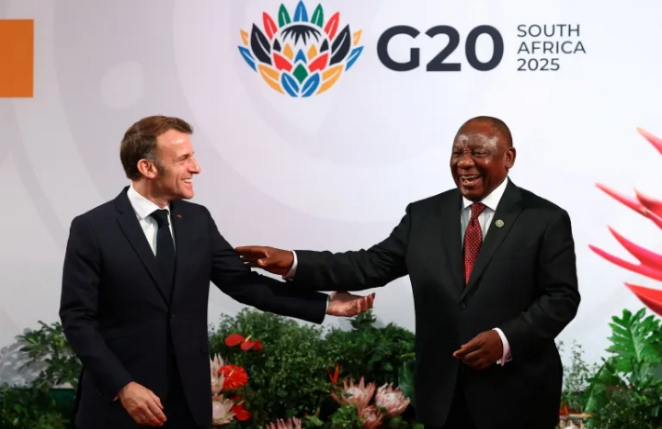
Read also: South Africa G20 summit prioritizes developing nations, tackles global inequalities
While the COP30 deal does not fully satisfy climate advocates, it provides a foundation for future negotiations, highlighting areas such as climate finance, just transitions, and adaptation support that require urgent attention.
In the coming months, countries are expected to report progress on national climate action plans, with civil society groups scrutinizing whether developed nations fulfill their promises to provide adequate resources for adaptation and mitigation.
The global climate movement continues to urge governments to act with urgency, stressing that delays in phasing out fossil fuels and scaling up renewable energy could lock in devastating impacts for future generations.
COP30’s outcome underscores the reality that climate change is not only an environmental challenge but also a socio-economic and geopolitical one, requiring comprehensive strategies across sectors and borders.
Leaders, activists, and experts agree that the next few years are decisive, and COP30’s legacy will depend on translating pledges into practical policies that protect vulnerable populations and safeguard ecosystems.
About The Author