Nigeria’s foreign exchange market opened on Saturday, November 22, 2025, with the naira trading at relative stability in the official Nigerian Foreign Exchange Market (NFEM), while the parallel market continued to reflect stronger demand pressure.
The dual-market pricing pattern, which has become a feature of the country’s FX environment, maintained a noticeable gap that continues to shape import costs, household spending, business planning, and personal foreign transactions.
According to market data monitored from authorized dealers, the official rate hovered around ₦1,450 per US dollar.
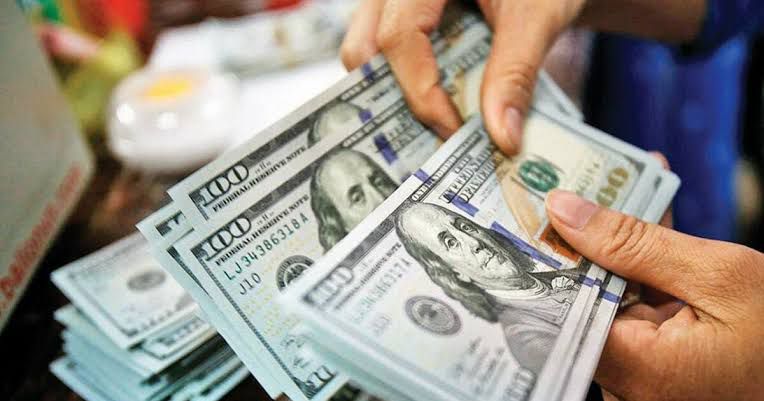
In contrast, the parallel market showed the dollar exchanging between ₦1,460 (buy) and ₦1,474 (sell), reaffirming the persistent premium that characterizes transactions outside regulated channels.
Official Market Overview: Dollar to Naira Exchange Rate Today Remains Steady at NFEM
In the NFEM window, the Dollar to Naira exchange rate today settled in the mid-₦1,400 band, continuing a trend of relative steadiness seen in recent sessions.
The Central Bank of Nigeria (CBN) maintains this benchmark through a volume-weighted average based on documented transactions conducted among banks, exporters, and large corporates.
FX analysts suggest that this stability reflects a combination of CBN liquidity management, intermittent interventions, and exchange moderation policies that aim to temper volatility.
Although the rate has not appreciated significantly, its steadiness provides some predictability for businesses planning short-term dollar-denominated obligations.
However, the sustained tightness in dollar liquidity—driven by limited foreign investment inflows, moderate oil receipts, and strong end-user demand—continues to confine the naira within a narrow trading corridor rather than enabling meaningful recovery.
Parallel Market Dynamics: Dollar to Naira Exchange Rate Today Shows Higher Trading Band
In the parallel market—which remains a major source of FX for small businesses, informal importers, students, and individuals—the Dollar to Naira exchange rate today traded at a premium.
Dealers in Lagos, Abuja, Port Harcourt, and Kano quoted ₦1,460 for buying and up to ₦1,474 for selling, depending on location and transaction volume.
This spread reflects the ongoing imbalance between supply and demand in the unofficial segment, where participants often turn due to delays or limited access to official FX channels.
The persistence of this premium highlights several structural issues:
High informal sector demand for retail FX
Insufficient official inflows to meet the needs of import-dependent businesses
Delays in FX allocation to banks and businesses
Reduced remittances through formal diaspora channels
As a result, the parallel market remains an influential indicator of Nigeria’s real-time FX sentiment, even though it is outside the purview of formal regulatory mechanisms.
Market Implications: How the Dollar to Naira Exchange Rate Today Affects Consumers and Businesses
The continuing gap between the official and parallel rates has significant implications for various segments of the economy:
Importers and Manufacturers
Importers who rely on the parallel market—especially those sourcing raw materials, spare parts, or consumer goods—are paying more for dollars, and these added costs often filter into product prices.
This can fuel cost-push inflation, particularly in sectors like electronics, household items, food commodities, and pharmaceuticals.
General Consumers
The effects of the Dollar to Naira exchange rate today are felt directly by households through price adjustments of imported goods.
Given Nigeria’s dependence on imports for intermediate and finished products, even slight changes in FX pricing can have ripple effects on inflation.
Students and Families Paying for Foreign Education
Individuals making tuition payments or maintenance allowances abroad face higher naira outflows due to the widening gap between the official and street rates.
Many families must budget significantly more to meet foreign currency obligations.
Travel and Personal Remittances
Travelers paying for flights, accommodation, or international services face higher costs when converting naira through informal channels.
Similarly, personal remittances sent outside official platforms yield fewer dollars for recipients.
Policy Environment: CBN Interventions Strive to Stabilize the FX Landscape
Since the beginning of Q4 2025, the Central Bank has deployed various tools aimed at deepening liquidity and narrowing arbitrage opportunities. These include:
Cutting the Monetary Policy Rate (MPR) to reduce borrowing costs and stimulate investment.
Enhancing FX supply through oil export proceeds and mandated repatriation rules for exporters.
Strengthening supervisory frameworks to discourage speculative trading.
Despite these measures, the foreign exchange ecosystem still operates under a dual-tier structure, driven by persistent structural constraints such as low non-oil exports, weak investor confidence, and limited FX buffers.
Market watchers argue that broader reforms—including enhanced transparency, diaspora remittance reforms, and improved oil production—are required to achieve long-term naira stability.
Outlook: What to Expect as the Dollar to Naira Exchange Rate Today Continues to Shape Economic Realities
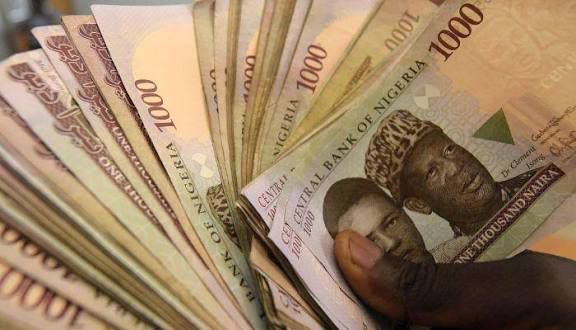
Looking ahead, analysts expect the naira to remain under pressure unless the country experiences a decisive improvement in:
Foreign inflows from oil and non-oil exports
Capital importation from foreign investors
Diaspora remittances flowing through official channels
However, they also note that the consistent, albeit modest, stability in the official market could help reduce volatility if supported by broader macroeconomic reforms and improvements in Nigeria’s fiscal position.
For now, businesses and individuals must navigate a landscape where the Dollar to Naira exchange rate today continues to influence pricing decisions, financial planning, and daily economic realities.
About The Author