Wole Soyinka criticism questions Trump’s Nigeria comments, urging diplomacy, respect, and careful engagement on the country’s complex security crisis.
Nobel laureate Prof. Wole Soyinka has launched a pointed response to recent statements by U.S. President Donald Trump regarding the killing of Christians in Nigeria.
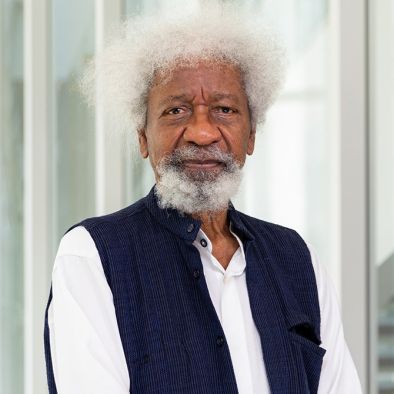
The Wole Soyinka criticism underscores concerns about the tone, approach, and superficial understanding of Nigeria’s complex security environment, warning that foreign leaders must exercise caution and respect when commenting on sensitive domestic issues.
Soyinka described Trump’s language as reckless, simplistic, and dismissive of the intricate dynamics behind Nigeria’s security challenges.
“You don’t simply announce that you are coming to intervene ‘guns ablazing’ without a proper understanding of the problem,” Soyinka remarked, emphasising the dangers of oversimplifying complex crises.
According to him, such rhetoric risks undermining diplomatic relationships while inflaming tensions at home.
This forms the core of the Wole Soyinka criticism, which focuses on responsible communication in international affairs.
The Nigerian literary icon expressed alarm at the President’s pledge to act “fast, vicious, and swift” in addressing violence against Christians.
Soyinka stressed that global cooperation must be built on mutual respect, careful dialogue, and evidence-based strategies rather than theatrical threats.
“If the intention is to help, the message should reflect understanding, not condescension,” he said, highlighting the diplomatic misstep that sparked his criticism.
Soyinka’s intervention arrives at a time when religious violence in parts of Nigeria has drawn intense domestic and international attention.
Human rights groups, religious organisations, and policy analysts have urged Nigerian authorities to strengthen efforts to protect vulnerable communities.
Yet, as the Wole Soyinka criticism points out, global attention should not justify aggressive or unilateral statements by foreign leaders.
Historically, Soyinka has been deeply involved in advocacy for Nigeria’s security and human rights.
From supporting campaigns like Bring Back Our Girls to warning about the country’s deepening crisis, he has consistently urged decisive action from government authorities.
In his latest critique, the Wole Soyinka criticism shifts focus from domestic accountability alone to the broader implications of foreign interference in Nigerian affairs.
He warns that dramatic rhetoric can overshadow genuine support, potentially causing more harm than good.
A central theme in the Wole Soyinka criticism is the defence of Nigeria’s sovereignty.
Soyinka insists that international partners must communicate with respect, acknowledging the authority and responsibility of local governments.
Threat-based or sensationalist interventions, he argues, risk undermining partnerships, eroding trust, and inflaming public sentiment.
According to Soyinka, constructive engagement requires dialogue, collaboration, and cultural awareness—not forceful declarations.
The Nobel laureate further emphasized the importance of understanding Nigeria’s multifaceted security challenges.
Violence in the country stems from a combination of terrorism, banditry, farmer-herder conflicts, and socio-economic inequalities.
Oversimplifying these issues into purely religious or political dimensions, Soyinka warned, can lead to misguided solutions.
This nuanced perspective forms a critical part of the Wole Soyinka criticism, which calls for informed, measured, and empathetic approaches to security cooperation.
In addition to advocating for respectful communication, Soyinka highlighted the responsibilities of global leadership.
He argued that foreign powers should avoid language that suggests domination or unilateral intervention.
“Effective support is offered through intelligence sharing, humanitarian aid, and strategic partnerships, not through dramatized threats,” Soyinka stated.
The Wole Soyinka criticism thus bridges domestic and international concerns, stressing both Nigeria’s sovereignty and the global responsibility of world leaders.
Finally, Soyinka reiterated that the protection of human lives is a priority that transcends borders.
However, he insisted that moral authority, diplomacy, and mutual understanding must guide international involvement.
The Wole Soyinka criticism serves as a reminder that even well-intentioned interventions can backfire if delivered with arrogance, oversimplification, or disrespect.
More news at ireport247news