Volodymyr Zelenskyy has marked the fourth anniversary of Russia’s invasion with a direct appeal as Zelenskyy urges Trump to visit Ukraine, saying such a trip would clarify responsibility.
Speaking from Kyiv, Volodymyr Zelenskyy insisted Ukraine would not betray its people or surrender dignity during negotiations involving Russia or international intermediaries.
The address accused Vladimir Putin of failing to achieve original war objectives, arguing the Ukrainian state and society remain intact despite relentless military pressure.
Zelenskyy declared the invasion had not broken national resistance, stressing survival through immense hardship while pursuing peace anchored in justice, sovereignty, and accountability.
European leaders echoed the message, saying Moscow’s power projection masks strategic weakness exposed by prolonged fighting and unexpected Ukrainian resilience across multiple fronts.
Germany’s chancellor, Friedrich Merz, argued Russia appears weaker than portrayed, reinforcing calls for sustained European unity behind Kyiv’s defence.
France’s president, Emmanuel Macron, expressed scepticism about imminent peace, citing limited signals of willingness from Moscow to halt hostilities.
Zelenskyy welcomed visiting European officials to Kyiv, underscoring continued diplomatic engagement despite security risks posed by missiles, drones, and infrastructure attacks.
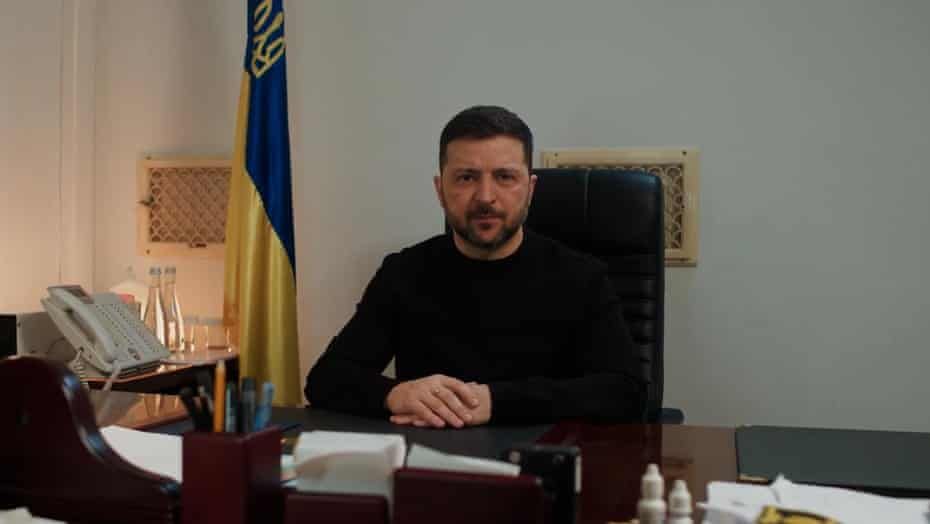
Among attendees were senior EU figures including Ursula von der Leyen, highlighting Brussels’ commitment to Ukraine’s long-term political alignment.
The Ukrainian leader thanked allies for recent air defence deliveries, saying survival through another brutal winter depended heavily on international military and humanitarian assistance.
He joined remote discussions with the so-called coalition of the willing, co-chaired by Keir Starmer and Macron, coordinating continued support.
Zelenskyy accused Russia of targeting civilians after battlefield setbacks, pointing to nightly strikes on homes and power plants during the coldest months.
The anniversary video included rare footage from the presidential bunker where leadership operated during the invasion’s first hours, symbolising endurance under existential threat.
Zelenskyy recalled a pivotal call from Joe Biden, rejecting evacuation and choosing to remain, a moment defining Ukraine’s resistance narrative.
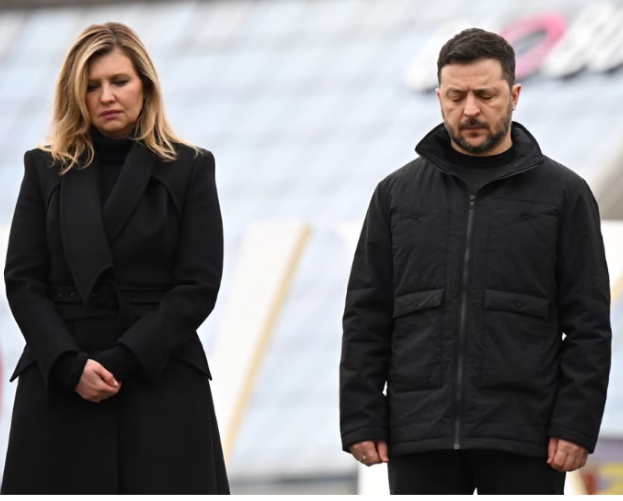
The president laid flowers in Kyiv’s Maidan Square, honouring thousands of service members killed since 2022 and acknowledging immense personal loss nationwide.
Zelenskyy emphasised the importance of a future visit by Donald Trump, arguing direct observation would clarify who initiated aggression.
He suggested such a visit would dispel narratives portraying the war as mutual conflict, insisting it remains an unprovoked assault on a sovereign state.
Trump has not accepted previous invitations, and relations have been strained since a contentious White House meeting involving JD Vance.
During US-brokered peace discussions, Trump has frequently aligned with Russian positions, unsettling Ukrainian officials seeking guarantees on territorial integrity.
Zelenskyy rejected proposals demanding Ukraine concede eastern territories, arguing no negotiator has authority to nullify years of sacrifice and resistance.
He instructed diplomats in Geneva to protect national dignity, warning against agreements that would erase suffering endured by civilians and soldiers alike.
The Kremlin responded defiantly, with spokesperson Dmitry Peskov saying Russia would continue operations until stated objectives were achieved.
Mourning ceremonies unfolded across Ukraine, as families honoured loved ones lost defending cities like Kyiv and regions such as Kharkiv.
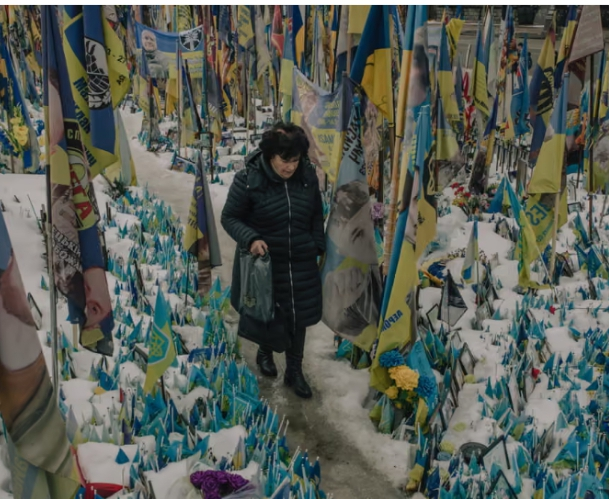
Seventeen-year-old refugees described futures shattered by occupation, displacement, and trauma, illustrating generational scars extending beyond the battlefield.
Former British prime minister Boris Johnson attended events, backing Ukraine’s EU and NATO aspirations.
Johnson argued Western troop deployments could deter Moscow and demonstrate strategic defeat, though such proposals remain controversial among allies.
Only one senior American officer represented Washington officially, reflecting cautious US engagement amid complex domestic political calculations.
European delegations toured damaged energy facilities, highlighting infrastructure devastation that has left millions without reliable power during freezing conditions.
Zelenskyy criticised international sporting bodies for what he called moral weakness, referencing bans affecting Ukrainian athletes commemorating fallen compatriots.
He also highlighted achievements despite war, including EU candidate status and cultural victories, portraying Ukraine as resilient and globally connected.
As Zelenskyy urges Trump to visit Ukraine, the anniversary message framed the conflict as a defining moral test for international leadership.
Read also: North Korea’s ruling party promotes Kim Jong Un’s younger sister Kim Yo Jong to senior leadership position