Two Venezuelan exiles were wounded in an apparent Venezuela opposition attack in Colombia, intensifying tensions between the Nicolás Maduro government and pro-democracy campaigners seeking refuge abroad.
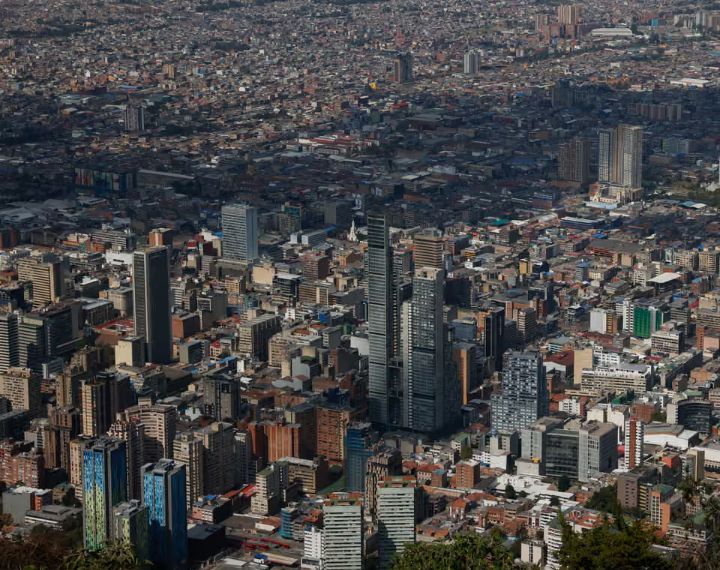
Colombian authorities confirmed that activist Yendri Omar Velásquez Rodríguez and political consultant Luis Alejandro Peche Arteaga were shot as they left a building in Bogotá on Monday afternoon.
Both victims are recovering in a city hospital. Police said Velásquez was in stable condition and expected to undergo surgery, while Peche sustained less severe injuries during the Bogotá shooting.
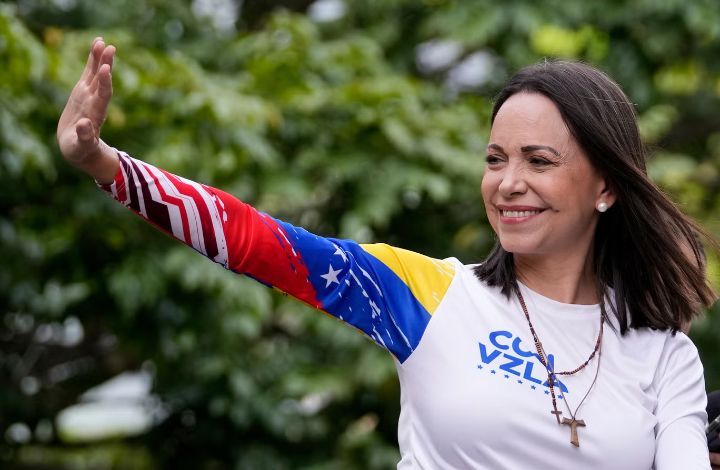
The incident has drawn widespread condemnation from Venezuelan opposition figures, including Nobel Peace Prize winner María Corina Machado, who accused the Nicolás Maduro government of orchestrating a Venezuela opposition attack against exiled critics.
“This was not random violence; it was a politically motivated act designed to silence voices of freedom,” Machado wrote on X, warning that Maduro’s agents were targeting dissidents abroad.
According to Machado, Velásquez fled Venezuela after being abducted in 2024 “for his work as a human rights defender.” Peche, she added, escaped similar persecution and had sought safety in Colombia.
“This attack constitutes a serious aggression not only against them but against all the work of protecting and promoting human rights in the region,” she declared publicly.
The Venezuela opposition attack prompted Colombia’s president, Gustavo Petro, to promise stronger protection for exiled activists and refugees living within the country’s borders.
“All Venezuelan citizens who seek asylum in Colombia, independent of their ideas, are welcome,” Petro said in a post, adding that security forces will expand safeguards for human rights defenders.
Colombia’s ombudsman’s office condemned the shooting and urged the attorney general to investigate urgently, calling the Bogotá shooting “an attack on peace and democracy.”
Authorities said they had no prior reports of threats against the two Venezuelans, though opposition networks in exile claim Maduro’s operatives have been increasingly active in neighboring countries.
The Venezuela opposition attack occurred just days after María Corina Machado won the Nobel Peace Prize for her efforts to promote democratic reform and human rights in Venezuela.
Her award brought renewed visibility to the opposition’s struggle but also heightened tensions with the Nicolás Maduro government, which accuses foreign powers of supporting regime change efforts.
Velásquez, who founded the Venezuelan Observatory of LGBTIQ+ Violence, had been detained at Caracas’s main airport in 2024 when he attempted to travel to Switzerland for a rights conference.
At the time, Venezuela was engulfed in turmoil following disputed election results that saw Maduro claim re-election amid mass protests and international criticism of the vote’s legitimacy.
The country’s electoral council’s announcement sparked demonstrations nationwide, leaving over twenty people dead after security forces cracked down. Many opposition figures, including Velásquez, were detained.
Following that unrest, Velásquez’s passport was cancelled, and he was briefly held by security agents before leaving the country. The group Provea documented his case in its human rights report.
Peche Arteaga, his colleague, previously worked as an adviser to Venezuela’s National Assembly in 2017 and 2018 and later consulted for international organizations promoting democratic governance.
His social media profiles show years of advocacy for transparent elections and constitutional reform—efforts that have made him a target for intimidation by the Nicolás Maduro government.
Machado and other dissidents believe the Venezuela opposition attack was orchestrated to send a message that exile does not guarantee safety for government critics.
“Wherever we go, the long arm of repression follows,” said one opposition activist in Bogotá, speaking anonymously out of fear for personal security.
Colombian investigators are examining surveillance footage and interviewing witnesses to determine whether the attackers acted independently or were part of a coordinated plot connected to Caracas.
Regional analysts said the Bogotá shooting underscored how Venezuela’s political crisis has spilled beyond its borders, drawing neighboring states into the complex web of repression and resistance.
In recent years, Colombian authorities have reported multiple incidents involving threats against Venezuelan journalists, exiles, and opposition campaigners living in the country.
Since 2015, millions of Venezuelans have crossed the border seeking refuge from economic collapse, political persecution, and deteriorating living conditions under the Nicolás Maduro government.
“This case shows how fragile protection still is for those fleeing persecution,” said a representative from Colombia’s ombudsman office. “We must treat this as a wake-up call.”
International human rights organizations condemned the Venezuela opposition attack, demanding that Bogotá guarantee safety for refugees and urging regional cooperation to combat cross-border political violence.
The United Nations High Commissioner for Human Rights said it was “deeply concerned” by the attack and urged authorities to “ensure accountability and prevent future incidents.”
Meanwhile, the Venezuelan opposition coalition, known as the Democratic Unitary Platform, described the Bogotá shooting as “an extension of the regime’s campaign of fear against dissidents.”
“The Maduro dictatorship continues to export repression,” the coalition said, insisting that “even abroad, Venezuelans remain under threat for defending democratic values.”
Analysts say the Venezuela opposition attack could escalate diplomatic friction between Caracas and Bogotá, especially as both governments navigate complex relations shaped by migration, security, and ideological divisions.
Despite Petro’s leftist leanings and initial efforts to restore ties with Caracas, this latest episode could test his administration’s willingness to confront abuses by the Nicolás Maduro government.
Machado’s Nobel Prize, intended to spotlight democratic courage, has instead amplified polarization between Venezuela’s ruling elite and those demanding accountability for years of corruption and rights violations.
The Venezuela opposition attack may also intensify scrutiny of Maduro’s intelligence network, which opposition activists accuse of operating covertly in neighboring countries to monitor or harass exiles.
In her Nobel acceptance speech, Machado vowed that no threat would silence Venezuela’s democratic movement. “We will not stop until our nation is free from tyranny,” she said last week.
Human rights defenders across Latin America have echoed her call for justice, urging Colombia to set a precedent by holding perpetrators accountable, regardless of political implications.
As the investigation unfolds, Velásquez and Peche’s recovery remains uncertain, but their plight has reignited conversations about the cost of dissent and exile for Venezuelan activists.
“This act of terror strengthens our resolve,” Machado said. “Each attack only proves how much the regime fears those who tell the truth.”
Observers say the Venezuela opposition attack highlights the resilience of a movement determined to rebuild democracy, even as repression spreads beyond Venezuela’s borders into exile communities.
The Bogotá shooting is now a defining moment in Latin America’s struggle between authoritarianism and freedom—a reminder that the fight for human dignity often carries a personal price.