The Venezuela–Norway rift has widened following Caracas’ abrupt decision to close its embassy in Oslo, just days after opposition leader Maria Corina Machado won the Nobel Peace Prize.
The move marks a sharp deterioration in relations between Venezuela and Norway, two nations once known for maintaining constructive dialogue despite sharp ideological and political differences.
Norway’s Foreign Ministry confirmed receiving the Venezuelan notice on Monday but said no explanation was offered for the closure. “It is regrettable,” a ministry spokesperson told Reuters.
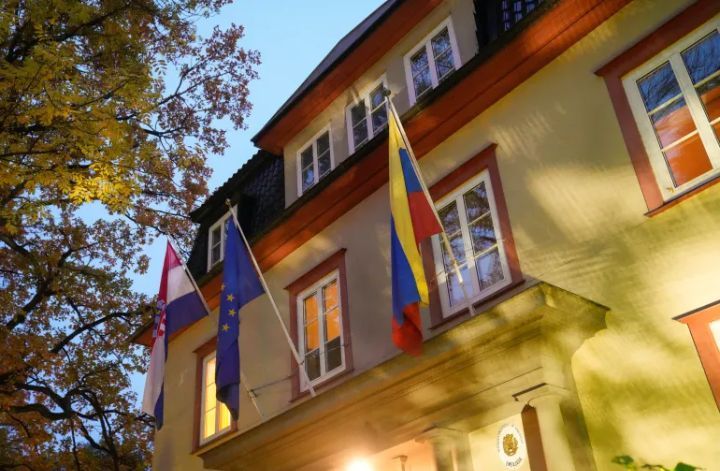
“Despite our differences on several issues, Norway wishes to keep channels of communication open with Venezuela and will continue working in this direction,” the official added.
The ministry also clarified that the Nobel Committee acts independently from the Norwegian government, suggesting that Caracas’ action was likely a political reaction to Machado’s international recognition.
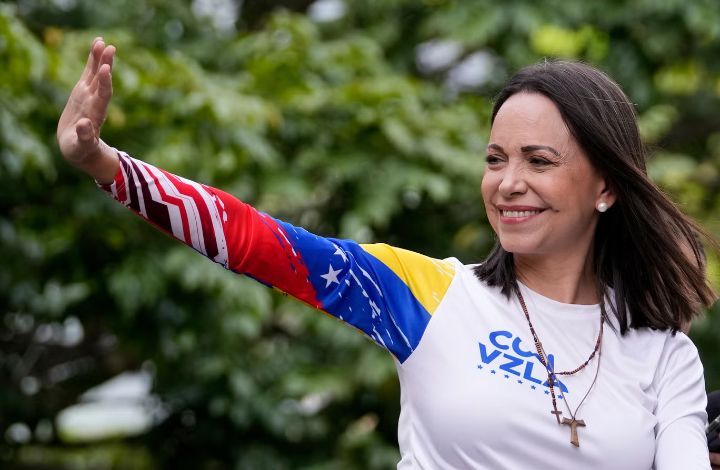
Maria Corina Machado, a veteran opposition figure, has spent the past year in hiding after being banned from contesting the disputed 2024 Venezuelan presidential election.
Her award was described by the Nobel Committee as recognition for her “extraordinary example of civilian courage and democratic advocacy in Latin America’s most challenging conditions.”
The Venezuela–Norway rift has drawn global attention because Norway had previously played a key mediating role between Maduro’s government and the Venezuelan opposition.
Machado dedicated her Nobel Prize to “the suffering people of Venezuela and to everyone in Latin America who refuses to surrender their freedom to tyranny.”
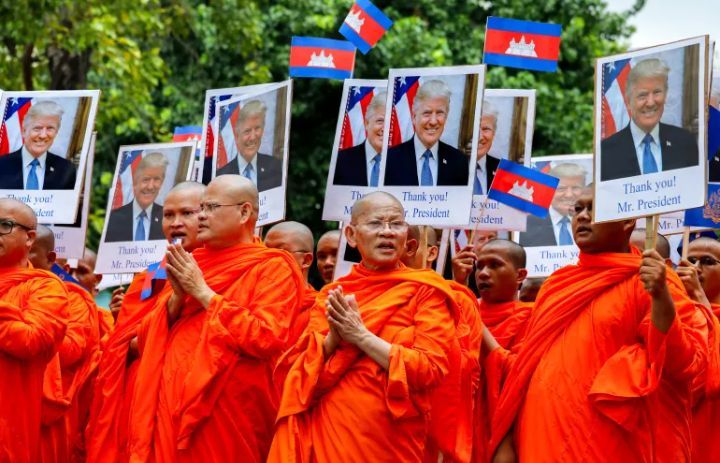
She also extended thanks to United States President Donald Trump, praising his administration for “standing with Venezuelans who continue to demand liberty and transparent governance.”
Caracas reacted angrily, calling the prize “a politically motivated maneuver designed to undermine Venezuela’s sovereignty.” The government accused Norway of supporting “imperialist agendas.”
In a separate announcement, Venezuela said it would also shut its embassy in Australia and instead open new diplomatic missions in Burkina Faso and Zimbabwe.
Officials described the two African nations as “strategic allies in the anti-colonial struggle and resistance against hegemonic pressure,” signaling a broader realignment of Venezuelan foreign policy.
Neither Norway nor Australia currently maintains an embassy in Caracas; both countries rely on their embassies in Colombia to handle consular services for Venezuelan citizens.
Political analysts say the Venezuela–Norway rift reflects Maduro’s growing distrust of Western governments following years of sanctions, criticism, and diplomatic isolation.
“This is not simply about one embassy,” said Latin American affairs expert Francisco Bautista. “It’s a message that Venezuela will disengage from Western mediation entirely.”
For Norway, the closure also represents a setback for its long-standing peace diplomacy mission, which has historically included mediation efforts in Colombia, the Philippines, and Venezuela.
Norwegian officials insist they remain committed to dialogue but acknowledge that the recent developments may complicate future peace initiatives involving Caracas.
President Nicolas Maduro’s government maintains that Western nations, especially the United States, are using awards, sanctions, and media campaigns to undermine his authority.
Since September, the US military — under President Trump’s orders — has intensified operations in the Caribbean targeting Latin American drug cartels, including groups allegedly linked to Venezuela’s Tren de Aragua.
Maduro has accused Washington of attempting regime change through covert means and called for the United Nations Security Council to take action against “imperialist aggression.”
The Venezuela–Norway rift also coincides with rising global tension over ideological alignments, as nations in the Global South reassess alliances with Western powers.
Venezuelan state media portrayed the embassy closures as part of a “diplomatic correction,” aligning the country more closely with African and Asian nations that oppose Western dominance.
Critics, however, argue that such moves isolate Venezuela further, limiting access to humanitarian aid and restricting Venezuelans’ ability to obtain consular services abroad.
Machado’s Nobel win, meanwhile, has energized Venezuela’s fragmented opposition, providing renewed international legitimacy after years of political persecution and election disputes.
Human rights organizations welcomed the Nobel decision, calling it a “powerful acknowledgment of the courage shown by Venezuelan civil society in the face of repression.”
Government supporters, however, dismissed the award as “a publicity stunt by global elites” aimed at destabilizing what they called Venezuela’s “revolutionary government.”
Observers note that the Venezuela–Norway rift could hinder any potential mediation channels in the future, especially as both sides adopt increasingly rigid positions.
Norway’s role as a neutral facilitator has been central in several Latin American conflicts, but its credibility with Caracas now appears significantly weakened.
Despite diplomatic tensions, some Norwegian analysts believe informal communication could continue through intermediary nations like Mexico or Colombia, which maintain dialogue with both parties.
The closure of the embassy also underscores Venezuela’s shifting focus from diplomacy to defiance, emphasizing sovereignty over engagement with Western-led institutions.
“This is a symbolic break,” said regional political scientist Carla Ortega. “By severing ties with Norway, Maduro is making a statement against Western interference in internal affairs.”
For Machado, the episode reaffirms her global profile as a face of democratic resistance. International reactions to her award have ranged from praise to open hostility from pro-Maduro nations.
The Venezuela–Norway rift has thus become a test case for how international recognition of dissidents can reshape global relationships and spark diplomatic realignments.
Observers warn that the longer the standoff persists, the more Venezuela risks alienating its few remaining European partners, further deepening its political isolation.
Still, there remains cautious optimism among diplomats that Norway’s tradition of quiet mediation could eventually help rebuild trust if both governments de-escalate rhetoric.
For now, the closure of Venezuela’s Oslo embassy stands as a stark reminder of how global honors — like the Nobel Peace Prize — can ignite geopolitical consequences.
The Venezuela–Norway rift encapsulates the deepening fracture between Venezuela’s government and Western nations, underscoring a global divide between democratic advocacy and authoritarian defiance.
About The Author