US-Iran Talks Cancelled just hours before negotiators were expected to meet in Switzerland, dealing a setback to efforts aimed at implementing a landmark agreement designed to end tensions between Washington and Tehran and stabilize the wider Middle East.
The talks, scheduled to begin in the Swiss village of Obbürgen, were intended to launch technical negotiations following the signing of a memorandum of understanding that opened a 60-day window for discussions on Iran’s nuclear programme and the restoration of energy shipments through the Strait of Hormuz.
However, the diplomatic effort was suddenly halted as Israel and Hezbollah exchanged some of their most intense attacks since a ceasefire was announced, raising fresh concerns about whether a lasting regional peace can be achieved.
JD Vance Trip Abruptly Scrapped
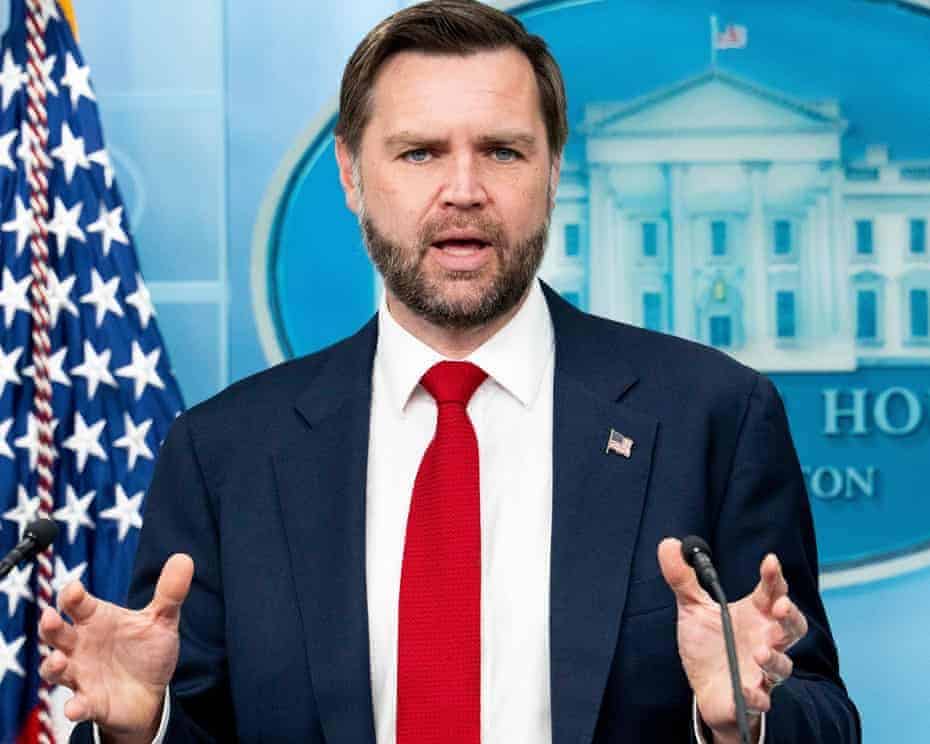
US Vice President JD Vance, who is leading negotiations for the Trump administration, was expected to travel to Switzerland for the talks.
Preparations had already reached an advanced stage, with members of Vance’s staff, White House officials and journalists gathering in anticipation of the trip.
The cancellation was so sudden that officials were reportedly already positioned in Switzerland awaiting the vice president’s arrival.
Explaining the decision, a White House spokesperson said: “The logistics of these negotiations have never been simple or predictable. As of now the vice-president is not departing tonight.”
Despite the setback, the White House insisted it still looked forward to “beginning technical talks as soon as possible.”
Israel And Hezbollah Exchange Heavy Fire
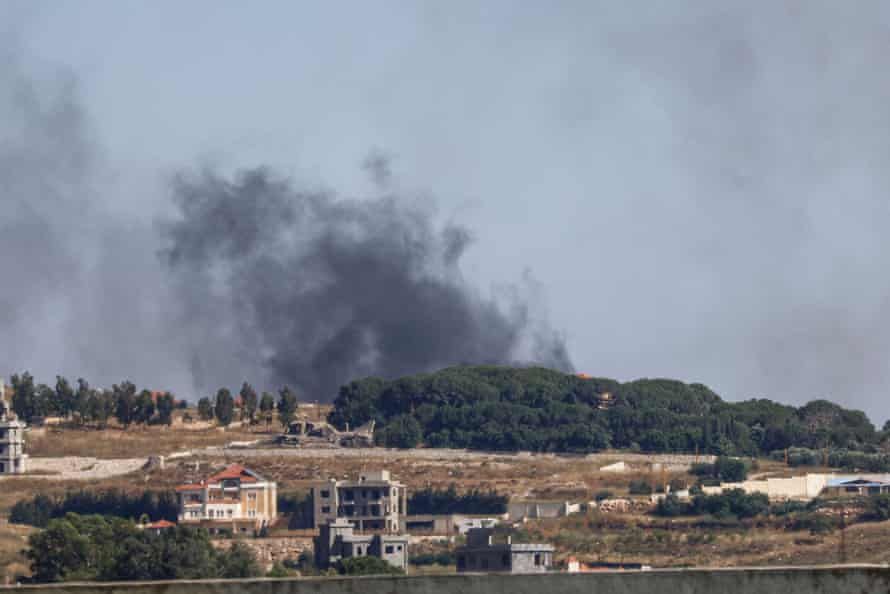
The diplomatic disruption coincided with a sharp escalation in fighting between Israel and Hezbollah in southern Lebanon.
Hezbollah launched multiple rocket attacks targeting Israeli forces near the city of Nabatieh after reports of Israeli shelling throughout the day. Israel responded with extensive airstrikes across the city and nearby towns.
Local reports indicated that several people were killed or wounded in the strikes, including children.
Hezbollah said it targeted Israeli troops attempting to advance toward strategic foothills surrounding Nabatieh, an area that has remained a flashpoint despite broader efforts to reduce hostilities.
The renewed violence represents one of the most serious challenges to the fragile ceasefire framework announced following the US-Iran agreement.
Iran Signals Caution Over Next Phase
Although Iran’s Supreme Leader Ayatollah Mojtaba Khamenei approved the memorandum of understanding, Tehran has signaled that it wants evidence of implementation before proceeding with further negotiations.
Iranian media reported that negotiators were seeking tangible signs that Washington was fulfilling its commitments before committing to additional rounds of talks.
A report from Al-Mayadeen, a media outlet aligned with Hezbollah, suggested that Tehran delayed sending its delegation because of Israel’s continuing military operations in Lebanon.
The developments have increased uncertainty over whether the peace process can remain on schedule.
Israel Continues Military Operations
Israel has not formally joined the US-Iran negotiations and has maintained a cautious distance from the agreement.
Israeli forces continued military operations in Lebanon and carried out fresh airstrikes early Friday, accusing Hezbollah of violating ceasefire arrangements.
Hezbollah rejected the allegations and claimed its fighters destroyed three Israeli tanks in southern Lebanon during ongoing clashes.
Israeli authorities had not confirmed those claims at the time of reporting.
The disagreement reflects broader tensions over how the peace agreement should be implemented and whether military operations should cease immediately.
Trump And Vance Push For Peace Process
The memorandum of understanding calls for the “permanent termination” of hostilities in Lebanon and guarantees for the country’s territorial integrity and sovereignty.
President Donald Trump has repeatedly stated that he expects a complete ceasefire across all fronts involved in the conflict.
However, Israel has so far resisted calls for a full withdrawal of troops from southern Lebanon, drawing criticism from both Trump and Vance.
Speaking on Thursday, Vance expressed frustration over actions that he believes threaten progress toward peace.
“What the president has grown frustrated with at times, is that we seem to be right on the cusp of a major breakthrough in the agreement, and then all of a sudden, there’s a major explosion that goes off in a civilian population centre in Beirut,” Vance said.
He added that such actions were “not acceptable.”
Iran Warns Against Violating Agreement
Iranian officials also issued warnings about the consequences of any breach of the agreement.
Chief negotiator Mohammad Ghalibaf said Tehran would respond firmly if the terms of the understanding were violated.
“In case of misconduct, breach of treaty and excess of the other side, we have no doubt that decisive respond will be given to the enemy,” he said.
His comments underscored the fragile nature of the current arrangement and the deep mistrust that remains between the parties.
Regional Stability Hangs In The Balance
The cancellation of the Switzerland meeting comes at a critical moment for the Middle East.
The wider conflict has already claimed at least 7,000 lives, disrupted global energy markets and generated fears of a broader regional war involving multiple countries and armed groups.
The agreement between Washington and Tehran created hopes for a diplomatic breakthrough, including a proposed $300 billion reconstruction fund and mechanisms to address concerns surrounding Iran’s nuclear programme.
Yet significant challenges remain.
Khamenei suggested that negotiations could become difficult if Washington adopts an inflexible position, stating: “If the American side wants to be too demanding, we will not accept it.”
Read also: JD Vance Iran deal sparks tensions as Vice President defends Trump, rebukes Israeli critics
According to The Guardian, the abrupt cancellation of the talks highlights the enormous obstacles still facing diplomats as they attempt to transform a fragile ceasefire into a lasting peace agreement capable of ending one of the Middle East’s most destructive conflicts.
About The Author