A proposed US-Iran deal includes $300 billion fund designed to drive investment into Iran, with more than half of the total amount already committed by private-sector investors, according to a source familiar with the negotiations.
The fund, which would be known as the Reconstruction and Development Fund, is expected to play a central role in efforts to finalize a broader agreement aimed at ending hostilities between Washington and Tehran and reopening economic opportunities for the Iranian economy.
The development represents one of the most significant financial components of the emerging US-Iran framework agreement and could reshape investment prospects in one of the Middle East’s largest economies.
According to Reuters, the investment vehicle is intended to provide both sides with a strong economic incentive to complete a final agreement and maintain long-term stability.
More Than $150 Billion Already Committed
Sources familiar with the negotiations said commitments already exceed $150 billion, representing more than half of the proposed fund’s total value.
The financing is expected to come entirely from private-sector investors rather than governments, making the initiative distinct from traditional reconstruction programs or foreign aid packages.
Investors from the United States, Gulf Arab states, Asia, Africa, and South America have reportedly expressed interest in participating. The fund is expected to focus on sectors including energy, logistics, manufacturing, transportation, and infrastructure development.
No Government Money Involved
One of the most significant details surrounding the proposal is that the fund will reportedly contain no direct government financing.
Instead, private companies and financial institutions would provide capital for projects designed to support economic growth and reconstruction across Iran. The arrangement is intended to reduce political opposition while encouraging commercial investment in sectors that have struggled to attract foreign capital due to decades of sanctions and geopolitical tensions.
The structure also separates the investment initiative from ongoing discussions involving sanctions relief and frozen Iranian assets abroad.
Trump Rejects Claims Of US Funding
US President Donald Trump pushed back against suggestions that Washington would be financially contributing to the proposed fund.
Speaking on the sidelines of the G7 Summit in France, Trump emphasized that the United States would not be providing investment capital.
“We’re not investing, we’re not putting up 10 cents.”
He also rejected the notion that Gulf countries were being pressured to finance the initiative.
“I would say they won’t be doing it for a while until they find out the behaviour. It’s a behaviour thing, but we are not investing.”
Trump’s comments sought to clarify the distinction between facilitating a peace agreement and directly funding reconstruction efforts.
JD Vance Highlights Potential Benefits
Earlier, US Vice President JD Vance suggested that Iran could gain access to a substantial reconstruction package if it complies with the terms of the emerging agreement.
According to Vance, access to the fund would depend on Iran meeting a series of commitments, including dismantling its nuclear programme, eliminating enriched material stockpiles, and accepting a strict inspection framework.
Those requirements remain part of broader negotiations expected to continue over the coming weeks.
Why The Fund Matters For Iran
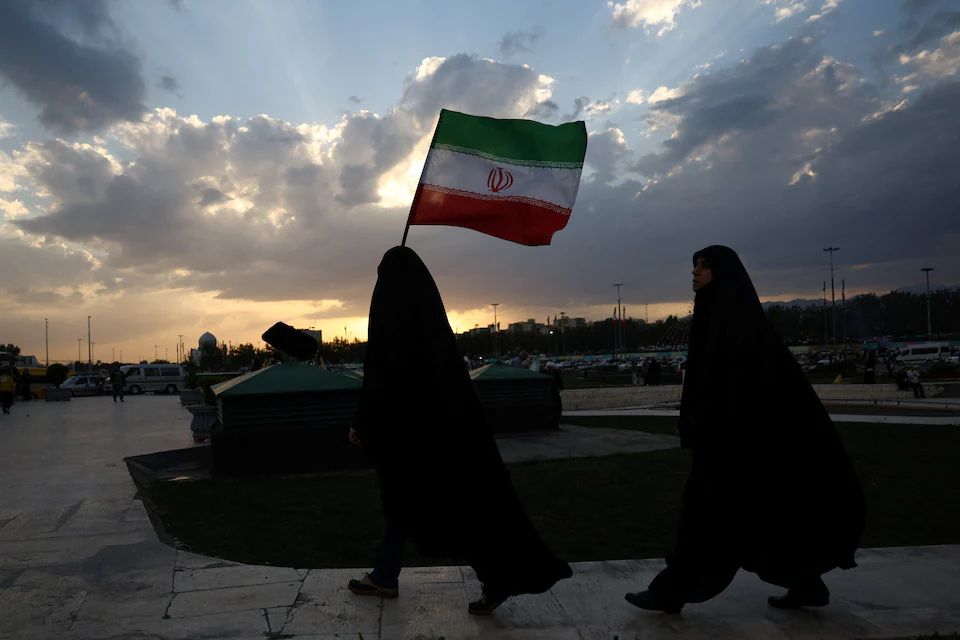
The proposed investment vehicle could provide a major economic boost for Iran, which has struggled to attract meaningful foreign investment for decades.
Successive rounds of sanctions have limited access to global financial markets and reduced opportunities for international business partnerships. Despite those challenges, Iran possesses enormous economic potential.
The country holds the world’s second-largest proven natural gas reserves and the fourth-largest proven oil reserves. It also has a population of more than 92 million people and a diversified industrial base that includes manufacturing, petrochemicals, mining, agriculture, and tourism.
Major Reconstruction And Development Plans
Sources familiar with the framework indicate that investments could support the modernization and reconstruction of refineries, airports, industrial facilities, logistics networks, transportation systems, and broader infrastructure affected by the conflict.
Among the projects reportedly discussed is the Mobarakeh Steel complex, one of Iran’s most important industrial assets. The investment strategy is expected to prioritize projects capable of generating long-term economic growth, attracting additional foreign capital, and creating employment opportunities.
Fund Remains Dependent On Final Agreement
Despite the large commitments already secured, the fund does not yet formally exist.
Negotiators have emphasized that the investment vehicle will only become operational after a final agreement is signed between Washington and Tehran. The current memorandum serves as a framework that will guide discussions over the next 60 days.
“It’ll only be created once the final deal is signed.”
During that period, administrators are expected to work with Iranian officials and potential investors to identify priority projects and establish implementation plans.
Separate From Sanctions And Frozen Assets Talks
Negotiators have stressed that the reconstruction fund is completely separate from discussions involving sanctions relief and Iranian sovereign assets frozen abroad.
Those issues are being handled through parallel negotiating tracks with different objectives and timelines. This separation is intended to ensure that investment planning can proceed independently while broader diplomatic and security discussions continue.
A High-Stakes Economic Gamble
The proposal represents one of the most ambitious investment initiatives linked to a Middle East peace agreement in recent years.
Supporters argue that economic incentives can help reinforce political commitments and reduce the likelihood of renewed conflict. Critics, however, may question whether investors will remain committed if negotiations encounter obstacles or if regional tensions return.
For Iran, the fund could provide a rare opportunity to reconnect with international investment markets and accelerate economic recovery. For the United States and its partners, the initiative offers a mechanism designed to encourage compliance while supporting regional stability.
What Happens Next?
Negotiators are expected to spend the next two months refining the details of the framework agreement before moving toward a final accord.
Key issues still under discussion include nuclear restrictions, sanctions relief, regional security arrangements, and implementation mechanisms.
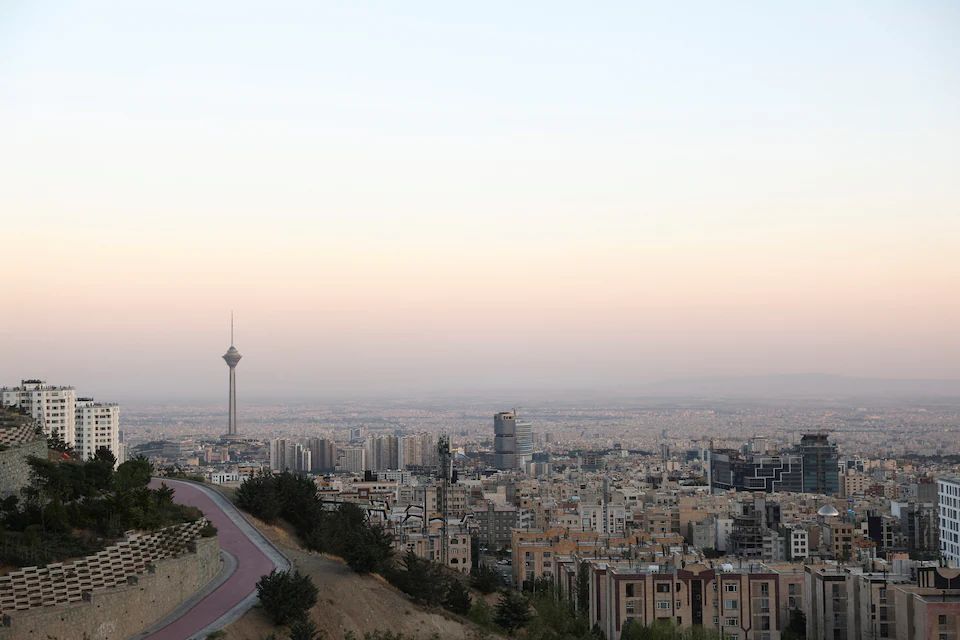
If an agreement is reached, the US-Iran deal includes a $300 billion fund that could become one of the largest private-sector investment initiatives ever directed toward Iran, potentially reshaping the country’s economic future and altering the broader geopolitical landscape of the Middle East.