‘Christian genocide’ claims: US Congress submits Nigeria report, recommends sanctions
In a move set to heighten scrutiny of Nigeria’s internal security and religious policies, the United States House of Representatives has formally submitted a comprehensive report to the White House detailing the alleged persecution of Christians in Nigeria.
The bipartisan investigation, spearheaded by Congressman Riley Moore and House Appropriations Committee Chairman Tom Cole, follows months of hearings, fact-finding missions, and consultations with religious leaders, security experts, and government officials.
According to Moore, the report was compiled after extensive on-the-ground investigations, including two official visits to Nigeria. During these trips, the delegation engaged with communities affected by terrorism, toured Internally Displaced Persons (IDP) camps in Benue State, and held high-level discussions with senior officials, including Nigeria’s National Security Adviser, Nuhu Ribadu.
“Our team now has a clearer understanding of the threats facing Christian communities and the broader security challenges in Nigeria,” Moore said.
The report’s central recommendation is the establishment of a bilateral US–Nigeria security agreement designed to protect vulnerable Christian populations and dismantle extremist networks.
Additionally, it proposes targeted sanctions, visa restrictions, and conditionality on US funding for individuals and groups implicated in religious persecution.
Focus on policy and enforcement
The investigative team highlighted systemic gaps in Nigeria’s handling of religious violence, noting that armed Fulani militias and jihadist factions have intensified attacks on Christian communities, particularly in central and northern states.
To address these threats, the report urges technical assistance, intelligence sharing, and capacity-building initiatives to strengthen local security agencies.
Beyond security measures, the report also recommends legal reforms. Congress urged the Nigerian government to repeal certain Sharia and blasphemy laws, which the investigation identified as contributing factors to religious tension.
Moore emphasized that cooperation with international partners—including France, Hungary, and the United Kingdom—would be critical for enforcing these reforms and bolstering regional stability.
US political backing and implications
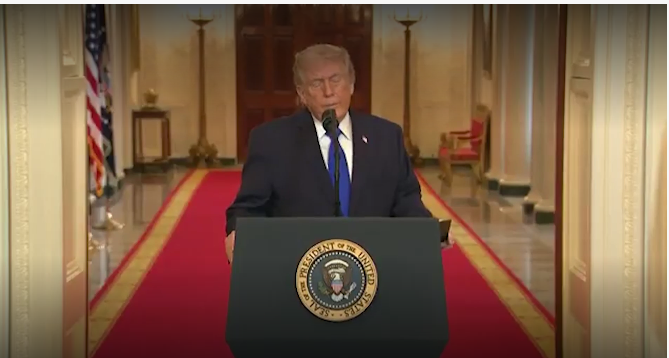
The investigation was initiated following former President Donald Trump’s redesignation of Nigeria as a Country of Particular Concern (CPC) under the International Religious Freedom framework.
Moore praised Trump’s decision, noting that it prompted a rigorous congressional probe aimed at delivering actionable recommendations. He also acknowledged the efforts of House Foreign Affairs Committee Chairman Brian Mast, Vice Chair Mario Diaz-Balart, and Congressman Chris Smith for their contributions.
The report underscores the potential political consequences of inaction. US lawmakers warned that continued violence against Christians without clear remedial steps could jeopardize US-Nigeria relations, affect foreign aid, and invite further international scrutiny.

By advocating for enforceable measures rather than symbolic gestures, the report positions religious protection as a central pillar of bilateral engagement.
Nigerian government urged to respond
Congressman Moore encouraged Nigerian authorities to seize the opportunity to strengthen ties with the United States by implementing the report’s recommendations.
He described collaboration on security, legal reforms, and socio-economic support as mutually beneficial, emphasizing that proactive engagement could mitigate extremist threats while safeguarding religious freedoms.
Observers note that the submission of this report may have both domestic and international ramifications. Domestically, the recommendations could influence Nigeria’s policy on religious violence and intercommunal conflict.
Internationally, they may shape US foreign policy and guide other governments considering sanctions or diplomatic pressure to uphold human rights.
While the White House reviews the report, Nigerian policymakers are expected to weigh the findings against internal political considerations, security capacity, and socio-religious dynamics.
Congress’ submission serves as both a warning and an opportunity for collaborative intervention, highlighting that the protection of vulnerable communities is now a focal point of bilateral relations.
As Nigeria navigates these recommendations, the issue of religious persecution remains at the forefront of international attention, reinforcing the urgent need for security reforms, legal review, and inclusive governance.
About The Author