

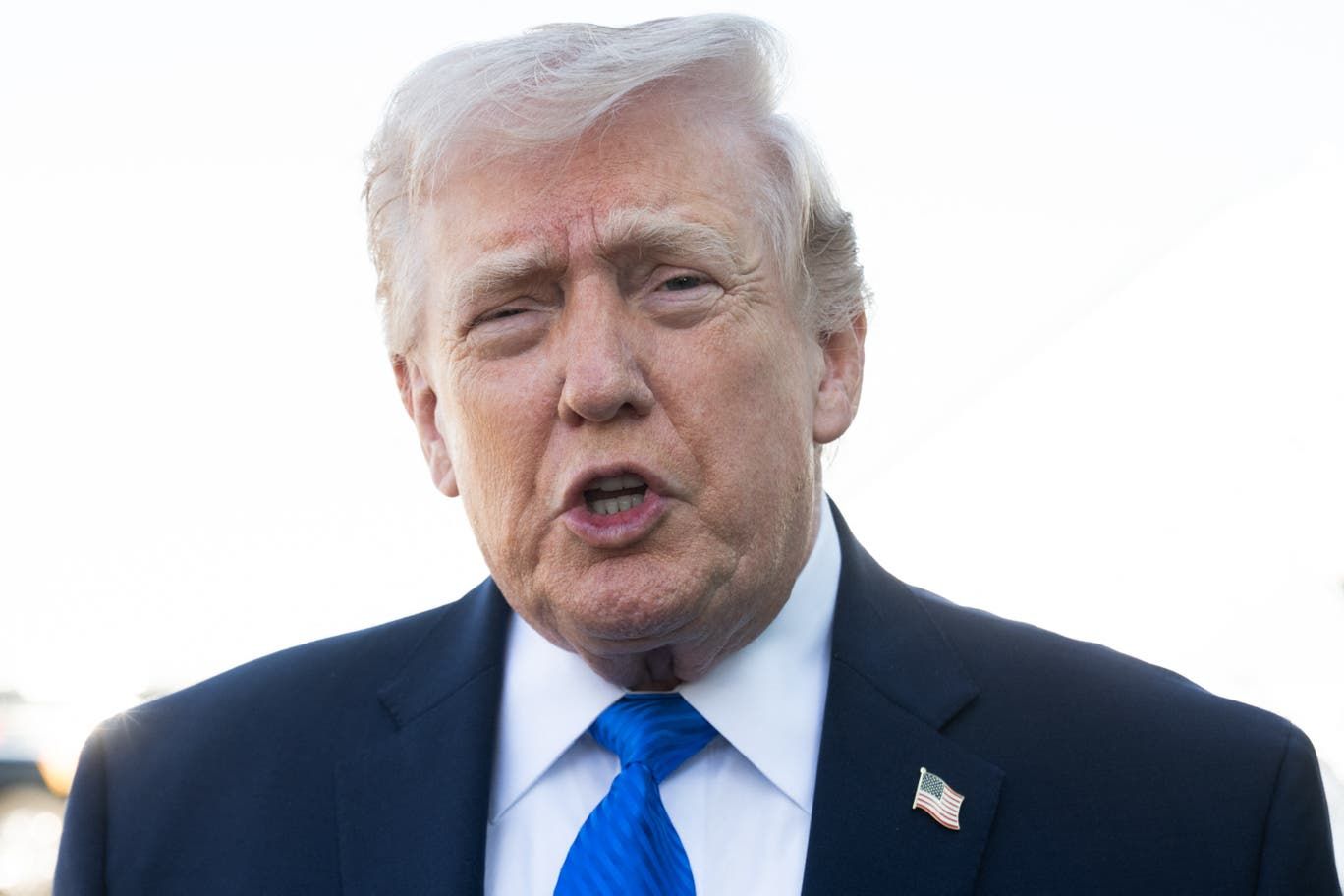
Trump wants to exit Iran war while Israel pushes to continue, analysis suggests as tensions deepen between allies, with shifting strategic goals and regional dynamics influencing the trajectory of the conflict across the Middle East.
According to analysis by world affairs editor Sam Kiley, the United States president appears increasingly eager to withdraw from the war, while Israel remains committed to continuing military pressure on Iran to achieve its objectives.
The piece argues that the divergence in priorities between Washington and Tel Aviv could reshape the conflict, potentially leaving Israel isolated if the United States reduces its direct involvement in military operations.
It highlights that President Donald Trump is facing domestic pressure, particularly due to rising fuel prices, which are linked to disruptions in global energy supplies caused by the ongoing war.
Trump has reportedly signaled interest in reducing U.S. involvement, while also pursuing diplomatic discussions with Iran in an effort to de-escalate tensions and stabilize energy markets.
At the same time, Israel continues to pursue a more aggressive stance, believing that sustained military action is necessary to weaken Iran’s capabilities and prevent future threats.
Analysts note that this difference in approach reflects long-standing disagreements over strategy, with Israel prioritizing security concerns and the United States balancing geopolitical and domestic economic pressures.
The war has already had significant economic consequences, including surging oil prices and disruptions to global trade routes, particularly through key maritime chokepoints.

One of the most critical areas affected is the Strait of Hormuz, a vital passage for global oil and gas shipments, where instability has heightened concerns about energy security worldwide.
The article suggests that Iran has exploited these tensions, using the situation to strengthen its position and apply pressure on both the United States and its allies in the region.
Iranian forces have reportedly intensified attacks and maintained a defiant stance, rejecting claims that diplomatic progress has been made in ongoing negotiations with the United States.
Meanwhile, diplomatic efforts continue behind the scenes, with countries like Pakistan reportedly seeking to facilitate talks between Washington and Tehran in hopes of reducing tensions.
However, the success of these talks remains uncertain, as Iran insists on maintaining key elements of its nuclear program and limiting foreign military presence in the region.
The analysis also highlights internal divisions within the United States and its allies, as differing perspectives emerge on how best to handle the conflict and its broader implications.
Some international leaders have criticized the war, describing it as a “politically disastrous mistake,” while others argue that decisive action is necessary to counter perceived threats.
Within the U.S. military and diplomatic circles, concerns are growing about the long-term consequences of prolonged involvement in the conflict, especially if clear objectives are not achieved.
Israel, on the other hand, remains focused on its strategic goals, viewing the conflict as essential to its national security and regional stability.
Officials in Tel Aviv are reportedly preparing for continued operations, even as questions arise about the level of support they will receive from the United States moving forward.
The article notes that if the U.S. reduces its involvement, Israel may face increased pressure and responsibility in confronting Iran without its traditional ally’s full backing.
This potential shift could alter the balance of power in the region, giving Iran more room to maneuver and strengthen its position amid ongoing hostilities.
Global economic concerns are also central to the discussion, as the war continues to impact fuel supplies, food production, and international markets.
With rising energy prices affecting economies worldwide, the conflict has become not only a regional issue but also a global economic challenge.
Experts warn that prolonged instability could lead to further disruptions in supply chains, particularly in industries reliant on oil, gas, and fertilisers.
The situation is especially critical for countries dependent on imports, as shortages and price increases could have widespread humanitarian consequences.
As the conflict continues, both diplomatic and military strategies are being tested, with each side attempting to gain leverage while avoiding full-scale escalation.
Observers say the outcome of the conflict will depend on whether diplomatic negotiations can succeed or if military actions will continue to dominate the landscape.
For now, the divide between U.S. and Israeli strategies remains a key factor shaping the future of the Iran conflict and its broader global implications.
Read also: Iran mocks US attempts at ceasefire amid escalating tensions
About The Author
