

Trump troops Germany move sparks tensions across Europe
The Trump troops Germany decision has triggered a sharp escalation in tensions between the United States and its European allies over the ongoing Iran conflict.
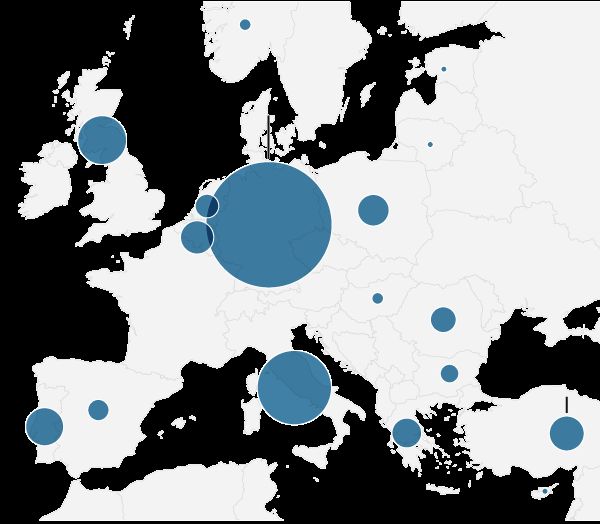
The Guardian reported that the United States plans to withdraw about 5,000 troops from Germany while increasing pressure on Italy and Spain over their stance on the war.
Speaking on the development, Donald Trump defended the move and criticised allies, saying, “Germany has not been supportive the way it should be, and we are looking at our options very strongly.”
He added, “We defend them, we pay for it, and they don’t help us when we need them. That’s not how it works anymore.”
Germany hosts the largest number of US troops in Europe, making it a critical hub for logistics, coordination and rapid deployment across multiple global regions.
Rising strain between US and European allies
Germany, Italy and Spain push back
The decision highlights growing disagreements between Washington and key European capitals over the Iran war and the use of military bases.
German Chancellor Friedrich Merz had earlier suggested that the United States appeared “humiliated” by Iran, a remark that drew a strong reaction from Washington.
In Spain, Prime Minister Pedro Sánchez said, “Absolute cooperation with allies, but always within the framework of international law.”
Italy also rejected claims of inaction, insisting it had contributed to maritime security discussions and remained engaged diplomatically.
Both countries have resisted allowing their bases to support offensive operations tied directly to the Strait of Hormuz crisis.
Trump intensifies pressure on Italy and Spain
President Trump sharply criticised both countries, saying, “Italy has not been of any help to us and Spain has been horrible, absolutely horrible.”
He added, “If they don’t want to help us, why should we keep troops there? We are reviewing everything right now.”
These remarks have raised concerns that troop reductions could extend beyond Germany and affect wider US military presence in southern Europe.
Strategic impact of troop withdrawal
Germany’s central role in US operations
Germany remains the backbone of US military operations in Europe, hosting tens of thousands of personnel and key infrastructure.
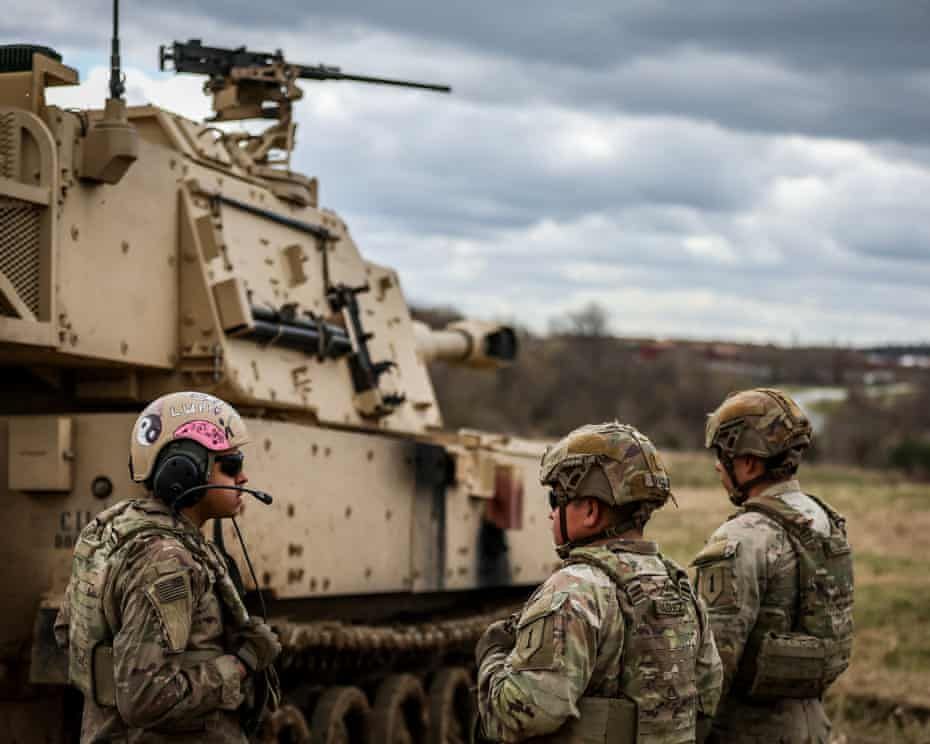
Its bases support missions across Europe, the Middle East and Africa, enabling rapid deployment and sustained operations.
A reduction of 5,000 troops could affect logistics, training coordination and operational readiness in critical regions.
Implications for Italy and Spain bases
Italy and Spain host key naval and air installations essential to US strategic operations across the Mediterranean and beyond.
These facilities support missions connected to the Strait of Hormuz crisis and broader regional security concerns.
Any reduction in troop presence would significantly alter military balance and reduce strategic flexibility.
Strait of Hormuz crisis drives global concern
Energy and security risks rise
The Strait of Hormuz remains a key global shipping route for oil, making it central to geopolitical tensions.
Any disruption could have major consequences for global energy prices and economic stability.
The US has pushed allies to increase support for securing the route, but European reluctance has complicated coordination.
Spain and Italy continue to favour diplomatic approaches over military escalation.
Allies weigh risks of deeper involvement
European governments are balancing alliance commitments with domestic political concerns and public caution over escalation.
Leaders stress adherence to international law and multilateral decision-making.
This cautious stance contrasts with Washington’s more assertive military posture.
Read also: French nun attack in Jerusalem: Video captures brutal assault on Mount Zion as Israel condemns ‘shameful act’
What this means for global alliances
The Trump troops Germany decision signals a significant shift in US-European relations.
Tensions over the Iran war have exposed divisions within NATO and raised questions about long-term alliance stability.
While some policymakers support reassessing troop deployments, others warn it could weaken strategic deterrence.
The coming months will determine whether diplomatic engagement can ease tensions or whether divisions deepen further.
About The Author


