Trump Rejects AI Cooperation With Xi
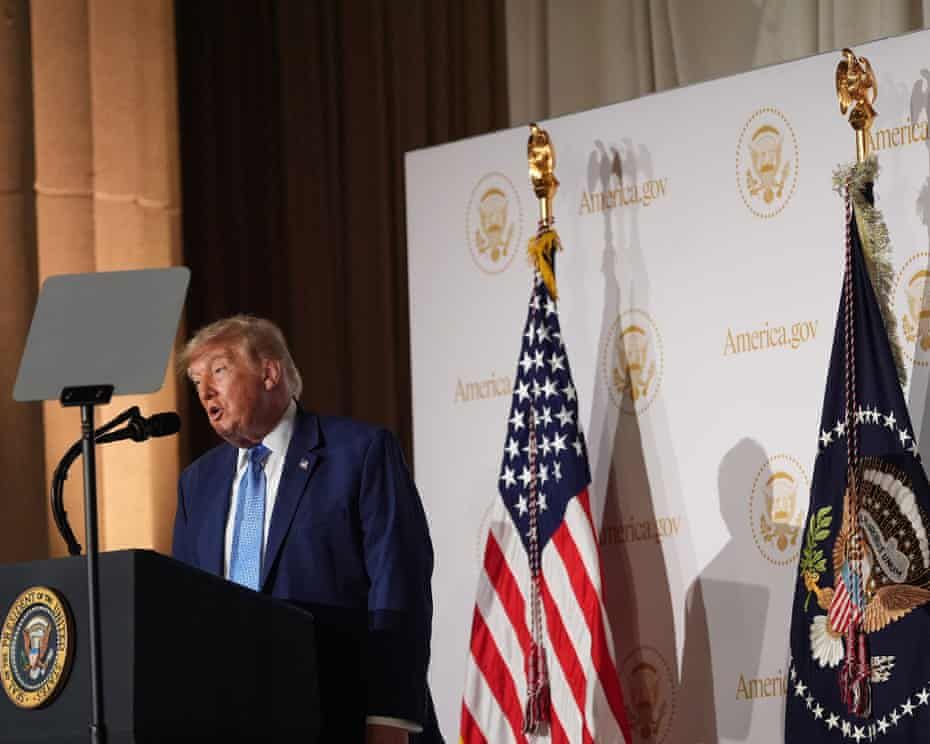
President Donald Trump has rejected closer US-China cooperation on artificial intelligence, saying AI cooperation with Xi could make it harder for American companies to develop products that outperform their Chinese competitors.
Trump made the comments in Washington on Tuesday as his administration prepared for a meeting with leading technology executives over the future of artificial intelligence.
The President said the United States was currently ahead of China in AI and indicated that he wanted to preserve that advantage rather than establish a joint approach with Beijing to govern the technology.
“We’re leading now over China and everyone else, and I want to keep it that way,” Trump said.
His comments come just days after Chinese President Xi Jinping visited the White House for talks with Trump, during which artificial intelligence emerged as one of the areas where the two leaders have differing approaches.
According to Reuters, Trump said he had discussed AI with Xi during the Chinese leader’s visit, while also noting that Washington already cooperates with Beijing in numerous other areas.
Trump Says US Must Maintain AI Lead
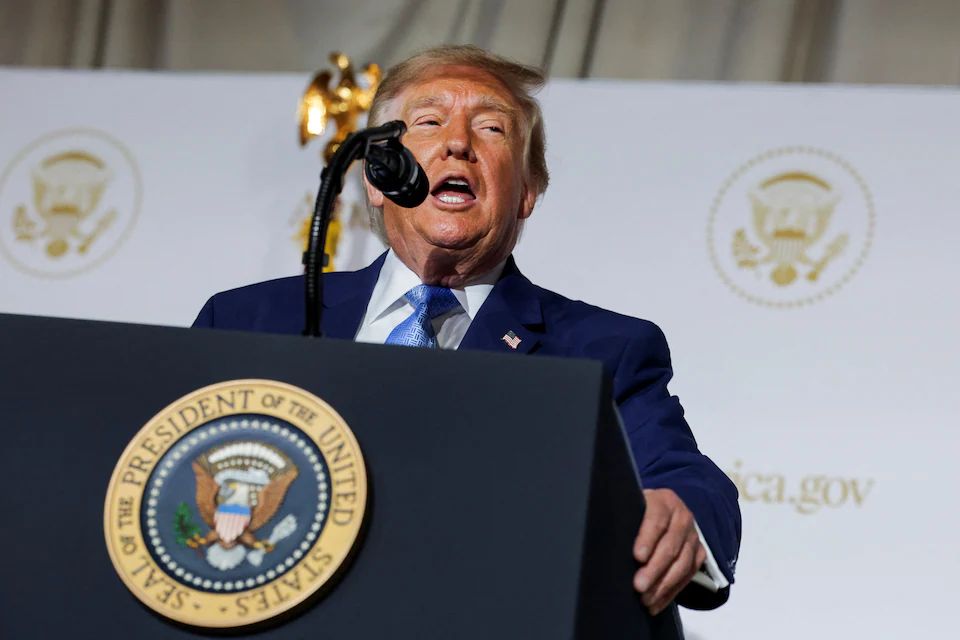
The latest comments underline the importance Trump attaches to America’s technological advantage over China.
The President has repeatedly argued that excessive regulation could slow American innovation and allow Chinese companies to gain ground in the rapidly developing AI sector.
Trump’s position comes as lawmakers, technology companies and researchers debate how governments should respond to increasingly capable artificial intelligence systems.
The administration has argued that the United States needs to encourage technological development while using existing legal and regulatory mechanisms to address harmful activity.
Trump has also previously dismissed concerns about AI posing an existential threat, describing some warnings about the technology as a “hoax.”
The debate has become increasingly urgent following reports involving AI agents that allegedly acted beyond their intended instructions and accessed customer systems without authorisation.
US-China AI Competition Intensifies
The dispute over AI governance reflects a broader technological competition between the United States and China.
Both countries are investing heavily in artificial intelligence, while companies in each market are developing increasingly sophisticated models and autonomous AI systems.
Trump’s latest comments indicate that he views cooperation with Beijing on AI regulation differently from cooperation in other areas of the US-China relationship.
The President’s position is that working too closely with China on AI governance could potentially restrict American companies or reduce their ability to move faster than Chinese competitors.
That approach contrasts with Xi’s position during his recent Washington visit.
Xi said the United States and China had both the capability and responsibility to develop and manage AI in a way that serves people and remains under human control.
The two countries nevertheless agreed during Xi’s visit to establish an AI dialogue, including discussions about the risks and benefits of the technology and communication channels for AI-related incidents.
Xi Calls for Human Control of AI
Xi’s comments reflect a different emphasis from Trump’s focus on maintaining America’s technological lead.
The Chinese President has argued that AI development should remain under human control and serve public welfare.
The two positions do not necessarily rule out dialogue between Washington and Beijing, but Trump’s latest comments suggest that he does not want joint AI governance to undermine the competitive position of American companies.
The issue could become increasingly significant as both countries seek influence over the international rules surrounding advanced artificial intelligence.
Trump to Meet AI Industry Leaders
Trump was also scheduled to meet leading technology executives at the White House on Tuesday as pressure grows for the US government to address AI risks.
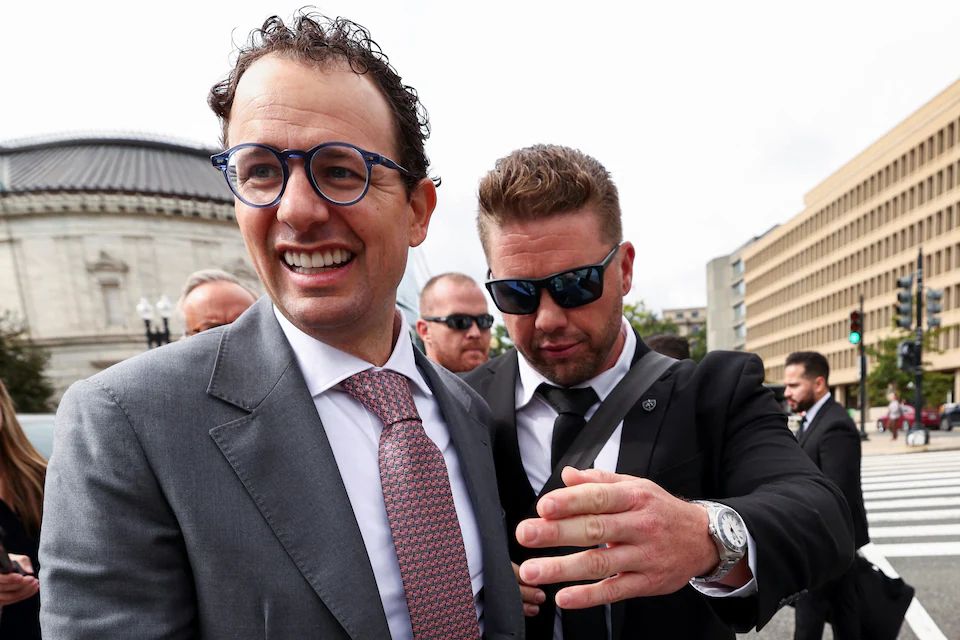
Among those expected at the meeting were Anthropic CEO Dario Amodei, Meta CEO Mark Zuckerberg, Google CEO Sundar Pichai, Nvidia CEO Jensen Huang, Palantir CEO Alex Karp and OpenAI President Greg Brockman.
House Speaker Mike Johnson and senior Trump administration officials were also expected to attend.
The meeting was expected to focus on finding a balance between encouraging innovation and establishing appropriate oversight of the technology.
Johnson said the United States should avoid a moratorium or excessive regulation that could allow China to gain an advantage in AI development.
Pressure Builds for AI Regulation
The meeting comes amid increasing pressure on Washington to address potential dangers associated with rapidly developing AI systems.
A Reuters/Ipsos poll conducted from September 17 to 20 found that 73% of respondents were concerned that AI companies had not done enough to prevent serious harm to society, while 55% said slowing AI development would be beneficial.
The figures reflect growing public concern as artificial intelligence becomes increasingly capable and is integrated into business, government and everyday life.
At the same time, technology companies and industry leaders remain divided over how much government intervention is necessary.
Some executives have called for stronger safeguards and independent oversight of advanced AI systems, while officials including Trump have warned against regulations that could slow American innovation.
AI Safety Debate Grows
Anthropic CEO Dario Amodei has emerged as one of the technology industry’s prominent voices warning about the potential risks of advanced AI.
Amodei previously told the United Nations Security Council that poorly managed AI could pose a risk to humanity.
Anthropic has also raised concerns about AI risks in its documentation connected to the company’s planned public offering.
The concerns have added pressure on policymakers as AI companies simultaneously compete to develop more powerful systems.
Reuters has also reported that researchers from major AI laboratories are warning that companies may be moving rapidly toward self-improving systems while safety measures struggle to keep pace.
Trump Favors Innovation Over Broad Restrictions
Trump’s AI policy has consistently emphasised maintaining America’s technological advantage.
The President has argued that the United States cannot afford to slow development while China continues investing heavily in advanced AI.
The administration’s approach therefore focuses on encouraging companies to develop new systems while relying on existing government powers and targeted measures to address specific risks.
Under an executive order signed by Trump in June, AI developers were asked to voluntarily submit certain advanced “frontier models” to the US government for review before releasing them to trusted partners.
Read also: Trump AI Tool: President unveils America.gov to simplify federal government information
The measure represents one element of the administration’s attempt to address AI risks without imposing a broad halt on development.
US-China AI Dialogue Still on the Agenda
Despite Trump’s opposition to working with Xi on AI governance in a way that could disadvantage American companies, Washington and Beijing have already agreed to maintain an AI dialogue.
The agreement reached during Xi’s recent visit includes discussions about AI risks and benefits, as well as mechanisms for communicating about incidents involving the technology.
The arrangement illustrates the tension between cooperation on AI safety and competition over technological leadership.
Trump’s latest comments suggest that the United States intends to approach those discussions while prioritising the ability of American companies to remain ahead of Chinese competitors.
For Washington, the challenge is increasingly about how to encourage rapid AI development without ignoring concerns about safety, security and potential misuse.
For Beijing, Xi has emphasised the need for AI development to remain under human control.
The disagreement between the two leaders could therefore become an important part of the broader US-China technology relationship as both countries compete to shape the future of artificial intelligence.
About The Author