

Trump Iran dilemma has tightened six months into a conflict the president once said would end by mid-April. Instead, Washington faces a stalemate with few good choices. This week’s mix of threats and diplomacy underscored how stuck Trump is as he tries to exit an unpopular war.
The president is caught between two unattractive paths. One is an emerging interim deal brokered by Iran and Oman. It would give Tehran control over the Strait of Hormuz it never held before February’s US and Israel strikes. The other is sharp escalation with new airstrikes.
Analysts say the first option would be Iran’s biggest concession since the war began. It would formalize, at least for now, Islamic Republic supervision of the vital oil shipping lane. The Trump administration had vowed to prevent exactly that outcome when the fighting started in February.
The second option carries political peril. Fresh attacks could prolong the crisis with no guarantee of success. Earlier bombing failed to bring Tehran to its knees. With November midterms approaching, another campaign risks higher gas prices and lower approval ratings for Trump and Republicans.
Trump could also maintain the status quo. That means keeping a blockade of Iranian ports and periodic retaliation for attacks on shipping. But that approach offers no face-saving exit either. “It’s a menu of bad options but Trump may have come to the realization that he can’t let this war go on endlessly,” said Aaron David Miller.

Miller, a former Middle East negotiator for both parties, added “Something has to give, and that may be recognition of a new Iranian reality in the strait.” The comment reflects how Washington’s leverage has eroded as the conflict drags into its sixth month.
US officials tried to downplay the concessions. Responding to Reuters, one official said any “temporary” shipping routes would be “without any impediments,” with no party overseeing transit. The wording seeks to protect Trump politically while talks continue behind the scenes.
Secretary of State Marco Rubio has been firmer in public. He insists the strait must remain an open international waterway not controlled by Iran and free of tolls. Yet Trump has contradicted Rubio before and could do so again, analysts note.
The strait carries about a fifth of global oil and liquefied natural gas. Since the war began, Iran has held a near chokehold on transit. Reopening it is seen as a prerequisite for renewed US-Iran talks focused on Tehran’s nuclear program, the war’s declared target.
The proposed Iran-Oman terms would give Tehran some control over ships entering the Gulf through the strait. A senior Iranian source and two regional officials confirmed details to Reuters. Trump has said a deal is imminent, but Iranian officials say key points remain unresolved.
Even if a pact is sealed and talks resume, experts doubt a final peace deal. A June memorandum of understanding between Washington and Tehran unraveled quickly. It had offered Iran sanctions relief from the start, drawing criticism from some of Trump’s fellow Republicans.
Domestic politics loom large. Early voting in some states begins as soon as September. A White House official said the administration expects the conflict to still be ongoing in some form by midterms. That poses risks for a president who campaigned on avoiding foreign wars.
Trump’s approval ratings are low and gasoline prices are high. The war is deeply unpopular with the public. The US official told Reuters that Trump’s decisions are not guided by “fluid opinion polls,” but the timing makes political costs hard to ignore.
“Trump midterm political risk” is now central to strategy. Republicans are struggling to keep control of Congress. Voters are focused on the economy, not a Middle East war. Each week without resolution makes it harder for Trump to claim the conflict was a short, decisive operation.
On the battlefield, Trump’s main goals remain unachieved. He regularly claims victory for killing Iranian leaders and degrading capabilities. Most analysts agree Tehran has not capitulated. On Saturday Trump said he canceled new large-scale attacks after regional partners urged more diplomacy.
At the same time he threatened force. “I’d rather make a deal because I don’t want to kill people,” he told a Las Vegas rally on Wednesday. “But at some point we’re gonna.” The mixed message reflects the pressure he faces from hawks and from war-weary allies.
Some analysts suggest munitions concerns played a role. There has been speculation about depletion of US missile stockpiles. Trump denied the US is running low. Still, the pause allowed space for the Iran-Oman channel to advance.
Iran has warned Gulf allies that new US strikes would trigger retaliation against energy infrastructure. Five sources familiar with the discussions confirmed the warning to Reuters. That threat raises the stakes for any decision Trump makes in the coming weeks.
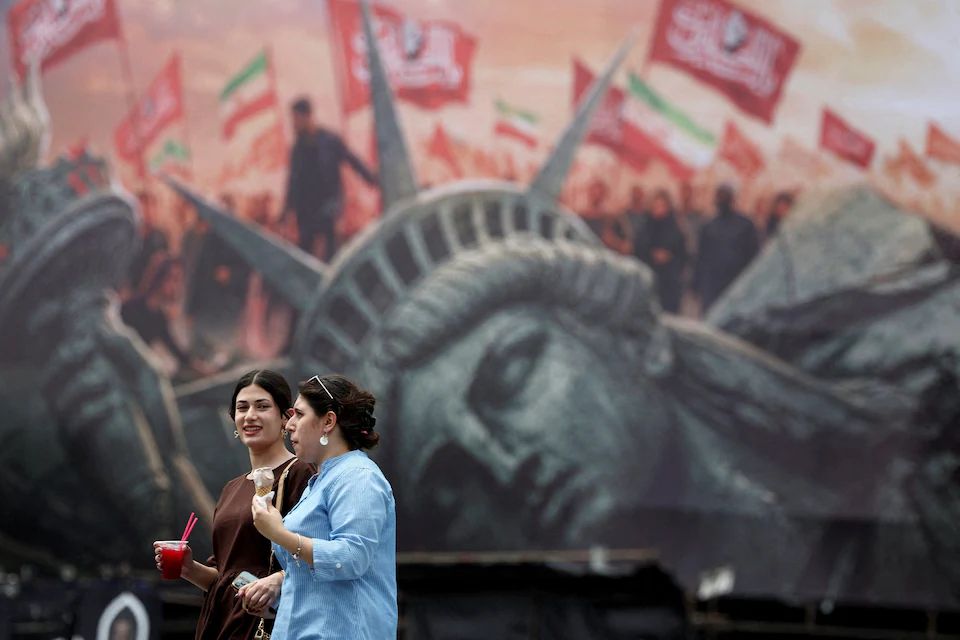
International observers are watching closely. Jonathan Panikoff, former deputy US intelligence officer for the Middle East, said China, Russia and North Korea “are learning what US limitations are going to be for years to come.” The war is shaping perceptions of American power.
Even Iran hawks urge caution. Behnam Ben Taleblu of the Foundation for Defense of Democracies wrote on X that “The Islamic Republic is trying to force President Trump into a lose-lose proposition before November.” He advised the administration to avoid “rushing into anything.”
“Iran Oman Hormuz deal” is the most concrete diplomatic track now. Oman sits opposite Iran on the strait and has mediated before. Giving Tehran some oversight would be a major shift, but it might be the only way to resume oil flows and talks.
“US Iran war 2026” was supposed to be brief. Instead it has become a war of attrition. Blockades, drone strikes, and shipping disruptions have replaced the initial campaign. Neither side has achieved decisive military victory.
For Trump, the choice is stark. Accept a deal that looks like concession, escalate and risk domestic backlash, or freeze the conflict and hope nothing explodes before November. None offers the clean win he promised voters.
Rubio’s public line remains unchanged. The strait must be free. But policy and rhetoric are diverging. Trump has shown he will override cabinet messaging when political survival demands it.
The economic impact is already felt. Oil markets are jittery. Insurance rates for tankers are up. Consumers see it at the pump. That feedback loop makes the war a domestic issue, not just a foreign one.

Republican strategists worry about the narrative. Democrats will argue Trump stumbled into an endless war. Trump will argue he prevented a nuclear Iran. Voters will judge based on prices and casualties, not briefings.
The administration is trying to frame any deal as temporary and technical. But in Tehran it would be sold as recognition of Iranian control. That perception gap is why the negotiations are so delicate.
Military planners are preparing options in case talks fail. Target lists exist. Allies in the Gulf have been warned. The region is braced for either a breakthrough or another round of strikes.
For now, diplomacy has the upper hand. Trump canceled the big attack plan. He is letting Oman talk. He is also keeping pressure with threats. It is classic Trump brinkmanship, but with much higher stakes.
“Strait of Hormuz control” will define the next phase. Who supervises transit, who collects fees, who guarantees safety. These technical questions carry strategic weight and political symbolism for both sides.
Read also: Pakistan military crackdown cuts blasphemy cases as army chief turns on Islamist groups
The war has already reshaped the Middle East. US partners are hedging. Iran is more defiant. And in Washington, a president who promised to end wars finds himself with no easy way out of one he started.


