United States President Donald Trump’s renewed overtures toward Iran have stirred cautious optimism and scepticism, showing that US-Iran diplomacy remains deeply complicated by history and mistrust.
During his recent Middle East visit following the Gaza ceasefire, Trump extended what he called a “hand of friendship” to Tehran, pledging peace and cooperation across the region.
While his tone suggested reconciliation, observers warn that the strategic distance separating Washington and Tehran remains wide, leaving US-Iran diplomacy mired in suspicion, sanctions, and competing regional priorities.
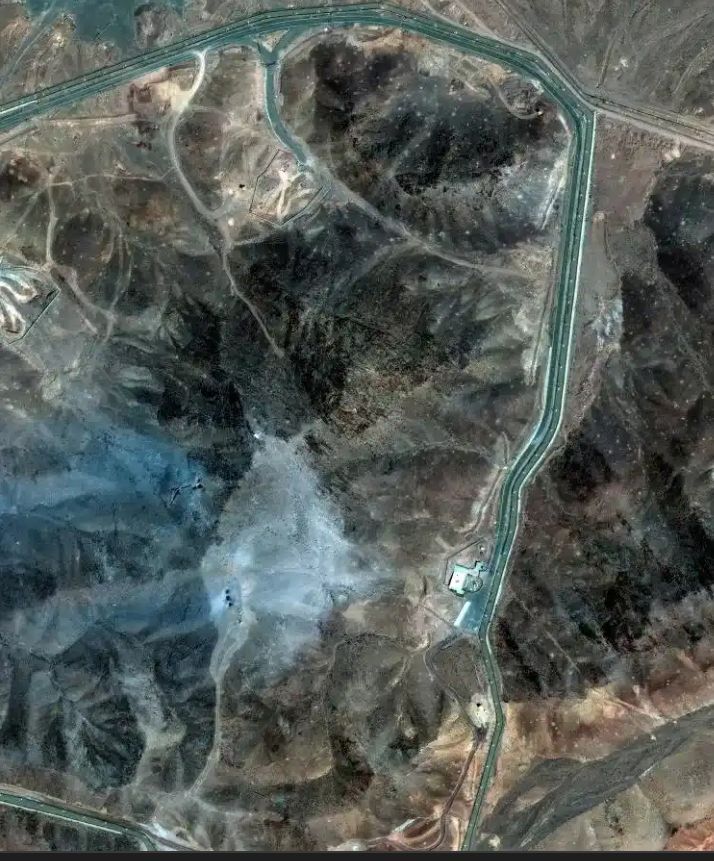
Trump’s decision earlier this year to bomb Iranian nuclear facilities marked an aggressive turn that undercut faith in US-Iran diplomacy and intensified Tehran’s distrust of Washington’s intentions.
His speech in the Israeli Knesset emphasized cooperation but followed military confrontation, illustrating the contradictions within Trump Middle East policy—a blend of outreach and coercion.
Iran’s Foreign Minister Abbas Araghchi recently declared that Tehran remains open to negotiations if Washington offers a balanced proposal, cautiously acknowledging renewed possibilities for US-Iran diplomacy.
Still, Iran’s decision to boycott the Egypt-hosted Gaza summit underscored how sanctions and bombings have poisoned diplomatic space, reflecting the unresolved Tehran-Washington tensions.
The Iran nuclear programme remains central to their dispute, as Trump insists on a total enrichment ban while Tehran defends its right under the Non-Proliferation Treaty.
That demand surpasses the 2015 Joint Comprehensive Plan of Action, effectively reshaping the debate and making progress on US-Iran diplomacy even more complex.
Trita Parsi of the Quincy Institute noted that Washington’s earlier airstrikes weakened Iranian advocates for engagement, creating a sense that diplomacy masks preparation for future confrontation.
“There’s a perception,” Parsi explained, “that the US uses dialogue to lull Iran into complacency,” a sentiment still haunting US-Iran diplomacy within Iranian political circles.
The Israel-Iran war, which erupted after a series of Israeli air strikes, devastated Iranian infrastructure and security networks while reshaping the region’s military balance.
Israeli Prime Minister Benjamin Netanyahu celebrated Trump’s actions as a “biblical miracle,” symbolizing the militarized context surrounding fragile efforts toward US-Iran diplomacy.
Trump’s administration claimed the bombing crippled Iran’s nuclear capability, though experts suggest Tehran could resume enrichment within months, challenging Washington’s narrative of lasting strategic victory.
IAEA chief Rafael Grossi warned that Iran’s nuclear capacity could quickly recover, a caution reflecting the deep unpredictability embedded in ongoing Tehran-Washington tensions.
Iran accused the United States of violating international law through the attacks, asserting its sovereign right to nuclear technology and protesting the IAEA’s silence on the bombings.
Within Washington, officials defend their approach as strategic leverage within US-Iran diplomacy, believing sustained pressure could eventually bring Tehran back under more favourable terms.
Gregory Brew of Eurasia Group argued that Trump’s patience is calculated, remarking that “he can afford to wait and let Iran sweat.”
According to Brew, with Iran’s economy in freefall and its regional allies weakened after the Israel-Iran war, Trump faces minimal incentive to offer immediate concessions.
For Tehran, the dilemma remains stark—endure economic collapse or re-enter talks structured around coercive conditions rather than equitable diplomacy grounded in respect.
In August, renewed UN sanctions triggered by European powers further isolated Iran, prompting Tehran to declare nuclear cooperation with the IAEA “no longer relevant.”
Iranian officials accused the UN watchdog of hypocrisy for failing to condemn attacks on nuclear facilities, eroding institutional trust vital for sustainable US-Iran diplomacy.
Despite these tensions, some analysts believe prolonged hardship may push Iran toward renewed dialogue, provided Washington signals credible intent and offers relief measures.
Others contend that Trump’s transactional character undermines confidence, leaving Trump Middle East policy open to sudden reversals and opportunistic manoeuvring.
Trump continues to boast that Iran’s nuclear programme is “obliterated,” rhetoric critics describe as exaggerated and counterproductive for building genuine US-Iran diplomacy.
The Iran nuclear programme, though damaged, endures as a symbol of defiance and sovereignty, shaping Iran’s domestic politics and regional posture despite crippling economic constraints.
Experts emphasize that rebuilding US-Iran diplomacy requires restoring mutual trust and addressing psychological scars from war, not merely trading threats or symbolic gestures.
Observers note Trump’s expanding peace-broker image, but also caution that without substantive follow-up, Trump Middle East policy risks appearing performative rather than transformative.
For now, Tehran views Washington’s overtures with caution, perceiving them as temporary tactics amid the persistent storm of Tehran-Washington tensions.
The path forward remains uncertain, defined by competing narratives of power and legitimacy that test the endurance of US-Iran diplomacy in a fractured region.
About The Author