Naira to Exchange for 1000 to $1 in Weeks
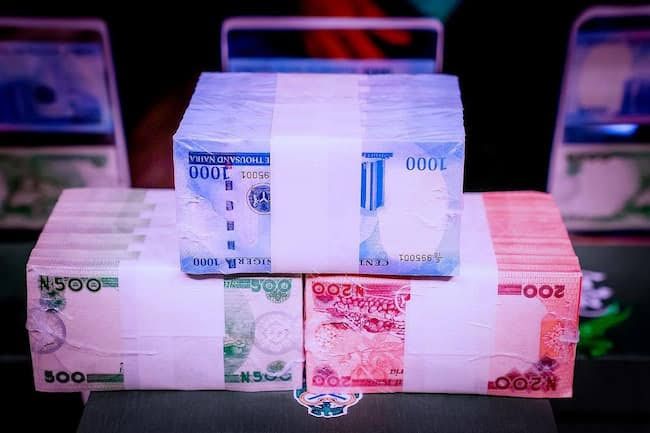
President Bola Tinubu has declared that the naira is on course for a major rebound, projecting that the currency could trade at N1,000 to one United States dollar within weeks if current macroeconomic trends persist.
Speaking at the Renewed Hope Ambassadors Summit held at the Presidential Villa in Abuja, Tinubu said the administration’s reform programme is beginning to yield measurable results across key economic indicators.
According to him, a combination of fiscal discipline, structural adjustments and monetary interventions has repositioned the economy for sustained stability.
The President noted that the foreign exchange market has shown renewed strength in recent sessions, with reduced speculative pressure and improved liquidity. He disclosed that, but for recent market interventions by the Central Bank of Nigeria, the naira would have already approached the N1,000 per dollar mark.
“In fact, if not for the interventions by the Central Bank of Nigeria yesterday, the N1,000 to a dollar rate would have been attained in weeks, not months,” Tinubu stated.
He explained that the apex bank’s action was intended to maintain orderly market conditions and prevent excessive volatility.
Reform Strategy Anchored on Fiscal Credibility
Tinubu reiterated that from the outset, his administration opted for what he described as “honesty and discipline” in addressing deep-rooted economic distortions. Key measures have included subsidy reforms, exchange rate unification and adjustments aimed at improving revenue transparency.
According to him, these actions have helped restore fiscal credibility, stabilize public finances and build a framework for long-term growth. The President argued that the renewed investor confidence in Nigeria reflects the impact of these reforms.
He revealed that out of seven major investment decisions recorded in Africa last year, five were directed toward Nigeria. While he did not provide specific transaction details, he said the inflows demonstrate confidence in the country’s policy direction and growth prospects.
The administration’s 2026 budget proposal, valued at N58.18 trillion, will serve as the next phase of economic acceleration, Tinubu added. He described it as a capital-intensive plan designed to stimulate infrastructure development, enhance national security funding and consolidate economic recovery.
Monetary Policy and Exchange Rate Stability
Analysts have observed that the recent appreciation of the naira has coincided with moderating demand pressures in the foreign exchange market. Oil price stability, improved diaspora remittances and tighter liquidity management have also contributed to currency support.
Tinubu’s projection that the Naira to exchange for 1000 to $1 in weeks aligns with the administration’s broader objective of strengthening the domestic currency while curbing inflationary pressures.
He asserted that inflation is beginning to ease, and that exchange rate stability will further reinforce consumer and investor confidence.
However, the President cautioned against speculative hoarding of foreign currency, describing it as counterproductive to national economic recovery. He framed the anticipated appreciation as a “wake-up call” to those betting against the naira.
Tax Reform and Revenue Protection
Beyond exchange rate management, Tinubu addressed ongoing tax reforms designed to widen the revenue base and enhance transparency. He explained that the reform package seeks to protect vulnerable groups, encourage enterprise and eliminate duplicative fiscal structures.
An executive order affecting remittances to the federation account, he said, was introduced to curb waste and safeguard national revenue streams. By consolidating collections and improving oversight, the government aims to strengthen public finance management.
The President stressed that no reform programme can succeed without public engagement. He tasked members of the Renewed Hope Ambassadors initiative with communicating policy rationale clearly to citizens at the grassroots level.
Political Stability and Economic Confidence
Represented at the summit by Vice President Kashim Shettima, Tinubu underscored the importance of political cohesion in sustaining economic gains. He called for peace and cooperation across states, emphasizing that stability remains critical to investor sentiment.
He also addressed the Secretary to the Government of the Federation, George Akume, urging efforts toward fostering reconciliation and development in Benue State. According to him, national unity is indispensable to economic transformation.
On forthcoming elections, Tinubu remarked that electoral outcomes are determined by citizens on the ground rather than online discourse, reinforcing his message of grassroots engagement.
Outlook for the Naira
The projection that the Naira to exchange for 1000 to $1 in weeks will depend on sustained policy coordination between fiscal and monetary authorities.
Market observers note that while short-term appreciation is plausible under favorable liquidity conditions, durability will require consistent foreign exchange inflows and disciplined spending.
Still, the administration remains confident that structural adjustments have laid a credible foundation. Tinubu concluded by affirming that Nigeria stands at a pivotal economic juncture, where reform, resilience and responsible governance must converge.
As the government shifts its focus from stabilization to acceleration, the coming weeks will test whether the optimistic forecast on the exchange rate materializes — and whether the naira’s projected climb becomes a defining milestone of the reform era.
About The Author