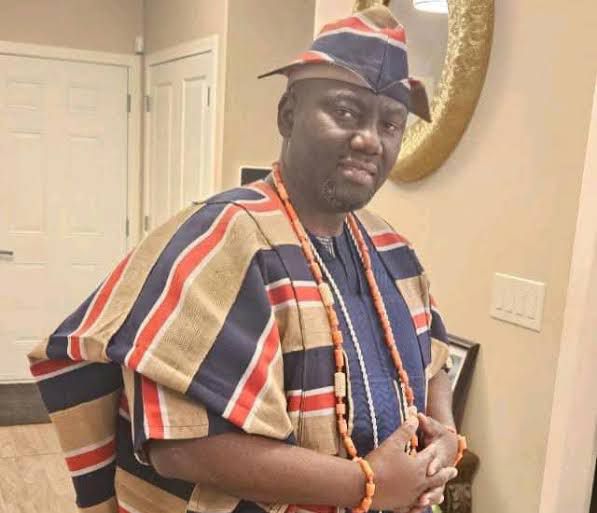
A legal dispute involving the Alaafin of Oyo, Oba Akeem Owoade, has drawn renewed attention to the structure, authority, and cultural relevance of traditional institutions in Yorubaland, following a suit filed by a group of princes from the Oyo Kingdom.
The matter, now before the Oyo State High Court sitting in Oyo Town, raises sensitive questions about royal hierarchy, dignity, and historical identity within the Yoruba race.
Alaafin has been summoned by the court to appear either personally or through legal representation in a case instituted by four claimants—Ladigbolu Adegboyega, Owoade Tesleem, Adeyemi Adesina, and Adeyemi Adebayo.
The suit, referenced as HOY/18/2026, places the Alaafin at the center of a legal conversation that blends customary law, tradition, and modern judicial interpretation.
At the heart of the lawsuit is the claim by the princes that certain actions and public engagements attributed to the Alaafin are allegedly inconsistent with the historic dignity and elevated status of the Oyo throne.
According to the claimants, the Alaafin of Oyo, as a symbol of Yoruba unity and heritage, must maintain a level of independence and authority that reflects centuries of tradition.
The plaintiffs are seeking a perpetual injunction restraining the monarch from attending or participating in events that, in their view, could undermine the prestige of the Alaafin stool.
They argue that the traditional ruler should not be seen in any setting or role that places him in a subordinate position to another monarch within Yorubaland, regardless of circumstance.
In addition to the injunction, the princes are asking the court to prohibit the Alaafin from carrying out any traditional or official duties that could be interpreted as diminishing his standing as the historical head of the Yoruba people.
They insist that the cultural symbolism attached to the throne must be preserved in both conduct and public perception.
Beyond restrictions, the suit also seeks far-reaching declarations on the historical and cultural authority of the Alaafin of Oyo.
he claimants are requesting a formal judicial pronouncement recognizing the Alaafin as the embodiment of unity, continuity, and the custodian of Yoruba cultural, customary, and traditional values across Yorubaland, Nigeria, West Africa, and the global Yoruba diaspora.
One of the declarations sought affirms the Alaafin as the paramount ruler with authority over all chieftaincy appointments in Oyo Town, Oyo North, and Oyo South.
According to the plaintiffs, this authority is rooted in history and tradition and should remain unquestioned in contemporary governance of the Oyo Kingdom.
The case highlights the broader tension between tradition and evolving social realities, as royal institutions navigate public appearances, inter-monarch relations, and modern political symbolism.
Legal observers note that the outcome could set an important precedent on how courts interpret traditional hierarchy in a constitutional democracy.
The writ of summons issued by the court directs the Alaafin to respond within the legally prescribed timeframe.
It states that the defendant may enter an appearance either in person or through a legal practitioner by submitting the required documents at the High Court registry in Oyo Town or by forwarding them through registered post.
Cultural analysts say the lawsuit reflects deeper internal debates within the Oyo Kingdom about identity, authority, and the role of the monarchy in contemporary Yoruba society.
While some view the action as necessary to safeguard tradition, others believe it underscores the need for clearer boundaries between cultural reverence and modern social engagement.
As proceedings unfold, the Alaafin of Oyo case is expected to attract widespread attention from traditional rulers, legal scholars, historians, and the general public.
The court’s interpretation of the claims may influence not only the future conduct of the Alaafin but also the broader understanding of traditional rulership across Yorubaland.
For now, all eyes remain on the Oyo State High Court as it prepares to hear arguments that touch the very foundations of Yoruba heritage and royal identity.
Ireport247news
About The Author