

Prison early release plans have been paused and rewritten after the government barred rapists and serious child sex offenders, including those convicted of grooming, from leaving jail early.
Andy Burnham announced the changes on Monday night, saying he understood the “anxiety and distress” caused and that he “wanted to go even further” but could not without risking prison collapse.
“Keeping the public safe is my top priority. That’s why I asked for an urgent review of the prisoner release scheme,” Burnham said.
“I fully understand the anger, anxiety and distress that’s been caused. I’ve heard that loud and clear.”
The scheme was due to start in September to ease overcrowding but will now be delayed until October.
Andy Burnham Prison Overcrowding Forces Tougher Compromise
The decision comes as Andy Burnham prison overcrowding reaches crisis levels, with adult male prisons at 98 per cent capacity.
“As a country, we haven’t invested in the prison estate when we should have, going back over a decade,” Burnham said.
“This has created an unacceptable situation, with our adult male prisons now at 98 per cent capacity.”
He warned that excluding more categories of offenders would push the system “to capacity and collapsing, which would put public safety at much greater risk.”
Under the UK sentencing reforms, around 6,000 offenders were set to be released in September after serving a third of their sentence instead of half.
Those serving four years or more would have been eligible at the halfway point, not two-thirds.
The rollout was to be phased, starting with sentences under 575 days and extending to those jailed up to 12 years by June next year.
Now, rapists and serious child sex offenders will be added to the 18,000 offenders already excluded, including the most dangerous and those serving life.
Rapists Excluded From Release But Victims Still Angry
Despite the changes, some victims’ families say the new rules do not go far enough.
Lissie Harper, widow of PC Andrew Harper, said she is “bristling with anger” because two of her husband’s killers remain eligible.
PC Harper, 28, died in 2019 after being dragged by a car during a quad bike theft in Sulhamstead, Berkshire.
Albert Bowers and Jessie Cole were jailed for 13 years for manslaughter in 2020.
Thames Valley Police chief Jason Hogg called the decision “demoralising for all police officers.”
Domestic abuse commissioner Dame Nicole Jacobs also criticized the omission of domestic abusers.
“It is critical that no abuser is released in October unless I am confident that victims’ safety is not being compromised,” she said.
Burnham responded with promises of tougher supervision for those who are released.
He announced a “presumption” that all offenders will be tagged, longer supervision periods, and new restriction zones.

Rapists will face new GPS monitoring to restrict movements after release.
A £10m victim support package was also unveiled to provide trauma-informed contact and a new national helpline.
“We will contact all affected victims to offer information and support,” Burnham confirmed.
Justice secretary Alex Norris said the review listened to victims and “gone further to protect victims.”
“These are decisions no minister would ever want to take, but it is right these sickening crimes are excluded from these reforms,” Norris stated.
The delay to October gives probation staff more time to plan releases and involve victims in setting restrictions.
A new progression model will also end automatic release for badly behaved prisoners.
Those who are violent or break prison rules will now serve 100 per cent of their sentence.

Shadow justice secretary Nick Timothy called the U-turn a “victory for victims” but said it “doesn’t go far enough.”
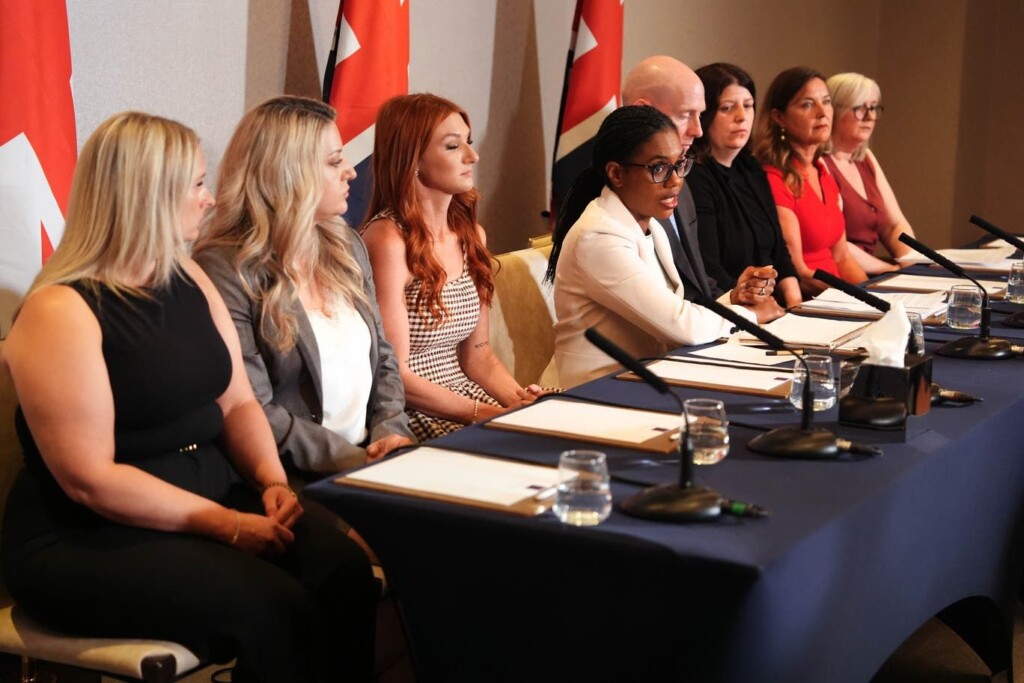
Kemi Badenoch held a press conference in June with survivors who were told their abusers could be released early.
She has demanded emergency legislation to stop any early releases.
The government says the changes are necessary because years of underinvestment left prisons full.
“My government will deliver the fastest prison building programme since the Victorian era,” Burnham pledged.
Labour aims to create 14,000 new prison places by 2031 to ease pressure long term.
Burnham also asked Norris to review faster removal of foreign offenders and outdated IPP sentences.
Women’s prisons are also part of the review to free up space across the estate.
Critics argue the crisis was foreseeable and that victims are paying the price for political failure.
Supporters say the alternative was system collapse and more risk to the public.
The debate highlights a wider tension between reducing prison populations and maintaining public confidence.
For survivors of sexual violence, the announcement brought relief but not closure.
Many said any early release for violent offenders feels like a betrayal.
The government insists GPS tags and longer supervision will close the safety gap.
Probation unions have warned they need more staff to manage the increased monitoring workload.
Read also:Iran US talks: Trump says Tehran has ‘last chance’ to make deal as Hormuz may open
Without that investment, the new measures could struggle in practice.
Burnham acknowledged the challenge but said reform was urgent.
“We can’t keep ignoring the problems facing our prison system,” he said.
The October start date will be watched closely by victims’ groups, police, and opposition parties.
If overcrowding eases without a spike in reoffending, the government will claim vindication.
If not, pressure will grow for even stricter exclusions.
For now, rapists excluded from release marks a significant shift in policy, driven by public outcry.
Whether it restores trust will depend on how the next phase is delivered on the ground.