Starmer antisemitism crackdown dominates UK politics after the terror threat level was raised following the Golders Green attack, triggering urgent nationwide concern over rising antisemitism and community safety fears.
Prime minister Keir Starmer visited Golders Green, meeting emergency responders and local leaders while pledging stronger measures to counter antisemitism and restore confidence among affected communities across the United Kingdom.
Authorities confirmed the UK terror threat level has been raised to severe, meaning an attack is highly likely, reflecting growing concerns about extremist violence and escalating risks facing communities nationwide today.
The Golders Green attack saw two Jewish men stabbed in what police are treating as terrorism, intensifying fears about targeted violence and highlighting the urgency of improving Jewish community safety nationwide.
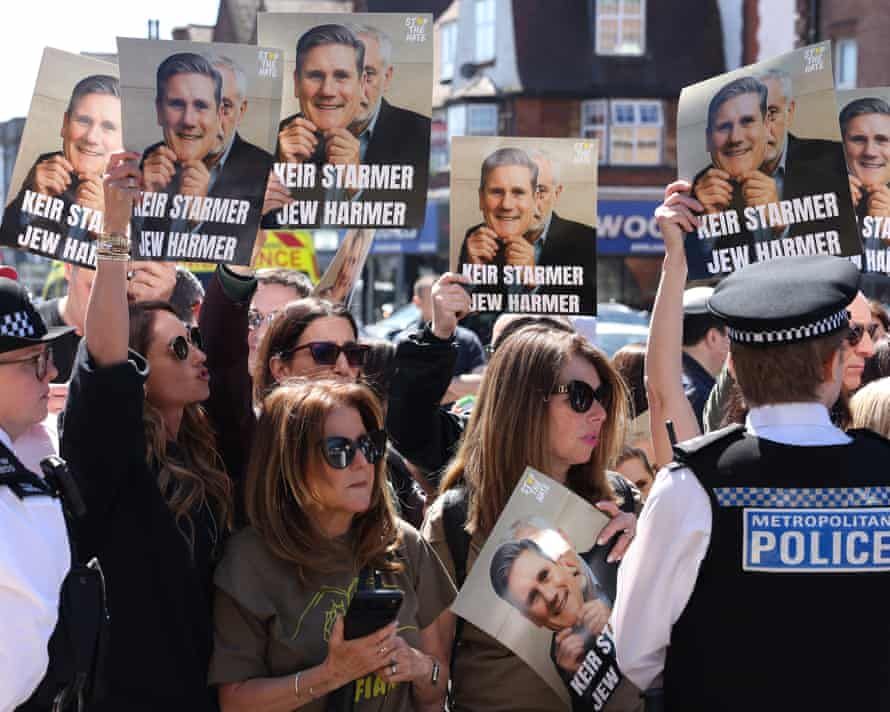
Starmer pledged to do everything possible to stamp out antisemitism, stressing that hatred against Jewish people threatens national unity, undermines democratic values, and demands a firm and coordinated government response immediately.
Rising tensions and national response
The prime minister pointed to a pattern of incidents, including arson attempts, attacks on Jewish services, and previous killings, which have deepened anxiety among communities and reinforced the need for urgent intervention.
He urged the public to recognize Jewish pain, warning that ignoring antisemitism allows it to spread, while calling for collective responsibility in confronting prejudice and protecting vulnerable communities across Britain today.
Starmer warned that certain protest slogans and imagery could promote extremist views, stating that glorifying violence or tolerating hateful rhetoric would face stricter enforcement under strengthened antisemitism laws UK policies.
The government is reviewing public order legislation to ensure authorities can act decisively, prosecute offenders effectively, and deter antisemitic behaviour through clearer legal frameworks and stronger enforcement mechanisms nationwide.
Funding for protective security will increase significantly, demonstrating commitment to Jewish community safety while ensuring synagogues, schools, and organizations have resources needed to guard against potential threats and violence.
Officials will also introduce stricter controls on extremist preachers, including banning entry into the country and limiting influence within institutions, as part of broader efforts to tackle radicalization and hate speech.
Read also: Hegseth Iran war grilling intensifies as Senate pressure mounts, Khamenei issues threats and oil prices surge globally
Security measures and political reactions
The suspect in the Golders Green attack had previously been referred to the Prevent programme, raising concerns about its effectiveness and prompting calls for reforms to improve risk assessment accuracy nationwide.
Police confirmed the suspect was arrested shortly after the incident and remains in custody, as investigations continue into motives, background, and any links to extremist ideologies or organized networks.
The Metropolitan police stated the attacker appeared to target individuals based on visible religious identity, reinforcing the classification of the incident as terrorism and underscoring its discriminatory and deeply concerning nature.
Home secretary Shabana Mahmood said authorities will do everything necessary to protect citizens, emphasizing coordination between agencies to prevent further incidents and ensure public safety across the country.
She confirmed the victims remain in stable condition, while acknowledging the emotional impact of such attacks on families and communities already facing heightened anxiety due to repeated antisemitic incidents recently.
Government officials noted that the rising UK terror threat level reflects broader challenges, including Islamist extremism and far-right activity, creating a complex security environment requiring coordinated and adaptive responses.
Opposition leaders described the situation as a national emergency, urging immediate legislative action and stronger enforcement measures to address the growing threat posed by antisemitism and hate-driven violence nationwide.

Some politicians argued protests have been exploited as platforms for intimidation, while others warned against restricting civil liberties, emphasizing the need for balanced responses that protect both safety and democratic freedoms.
Debate over protest and civil liberties
Advocacy groups rejected claims linking peaceful protests to violent incidents, insisting demonstrations remain lawful and should not be unfairly associated with extremism or criminal acts carried out by individuals.
Civil liberties advocates warned that excessive restrictions could undermine democratic rights, stressing the importance of preserving freedom of expression while addressing genuine threats through proportionate and evidence-based measures nationwide.
Starmer acknowledged the importance of protest rights but insisted that hate speech and incitement must be punished, reinforcing that freedom does not extend to actions that endanger or target communities.
He stated that phrases or imagery promoting violence against Jewish people will face prosecution, highlighting a tougher stance under updated antisemitism laws UK designed to deter harmful rhetoric and behavior.
Community leaders reported rising fear among Jewish residents, noting repeated attacks have created insecurity and uncertainty, making it essential for authorities to deliver visible protection and reassurance measures quickly.
They called for stronger engagement with law enforcement, improved reporting systems, and consistent policing presence to rebuild trust and ensure communities feel protected in daily life across affected areas.
Legislative strategy and long-term response
The government plans to fast-track legislation targeting state-linked threats, particularly those suspected of encouraging antisemitism indirectly, strengthening national resilience against coordinated hostile activities affecting domestic security.
New measures will expand powers to disrupt organizations acting on behalf of foreign entities, ensuring authorities can respond effectively to evolving threats and prevent escalation of antisemitic incidents linked to external influences.
Officials also aim to accelerate sentencing for hate crimes, creating a stronger deterrent effect and demonstrating that antisemitic offences will face swift and serious consequences under the law.
Enhanced intelligence-sharing between agencies will improve early detection of threats, allowing quicker intervention and more coordinated responses to protect communities and maintain national security stability across the United Kingdom.
Experts argue that tackling antisemitism requires combining enforcement with education, promoting awareness and inclusion while addressing underlying social attitudes that contribute to prejudice and discrimination in society today.
They emphasize long-term strategies focusing on community cohesion, highlighting that legal action alone cannot eliminate antisemitism without broader cultural and societal change across multiple levels nationwide.
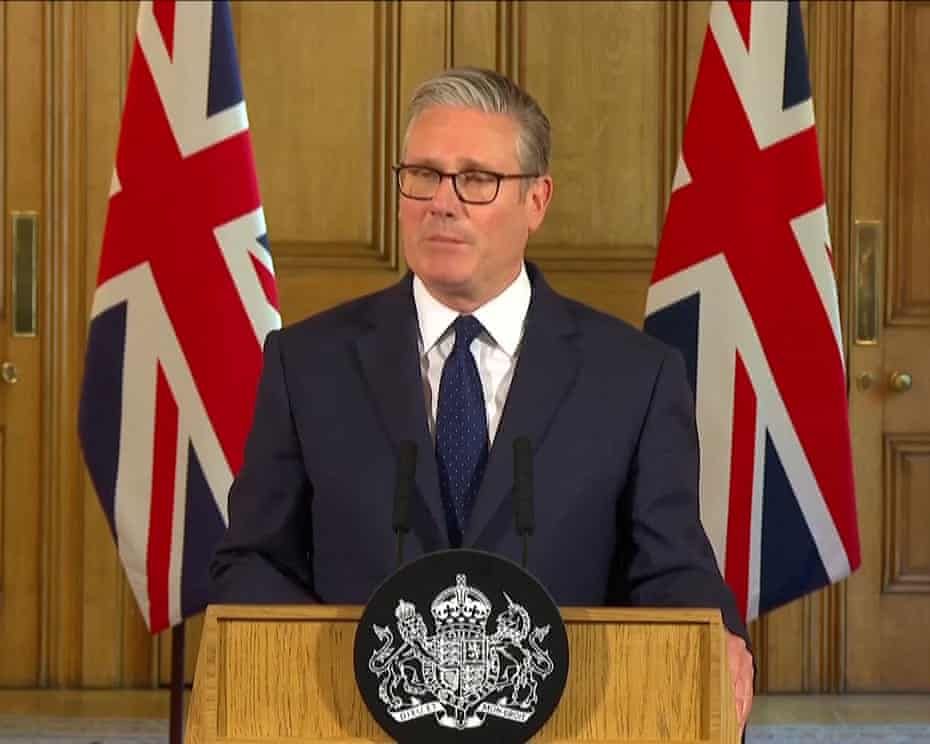
The Starmer antisemitism crackdown represents a decisive response to rising threats, combining immediate security actions with broader legislative reforms aimed at protecting communities and reinforcing the United Kingdom’s commitment to safety.
As developments continue, the effectiveness of these measures will shape public confidence, determining whether government actions can successfully reduce antisemitic incidents and restore a sense of security nationwide.
About The Author