

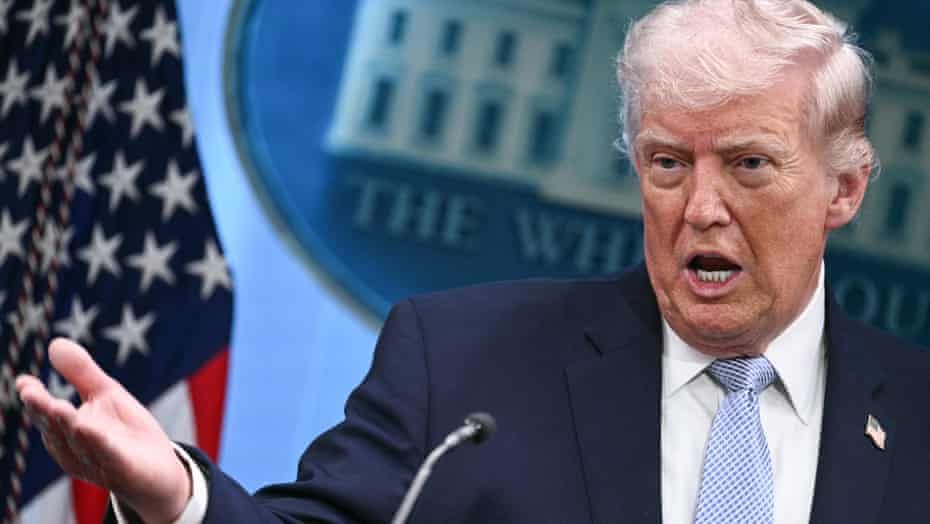
Trump threatens journalist as controversy deepens over a reported second missing US airman in Iran, sparking fierce debate about press freedom and national security risks.
The unfolding crisis began when Donald Trump escalated rhetoric, warning media organizations about publishing sensitive information tied to military operations involving a reportedly downed American service member overseas.
According to officials, the injured airman survived hostile conditions after being shot down, hiding in rugged terrain while awaiting rescue from US forces under heavy fire in contested Iranian territory.
Trump claims the leak exposed critical intelligence, stating: “They didn’t know there was somebody missing until this leaker gave the information,” framing the publication as a direct threat to operational security.
The president’s remarks came during a tense White House briefing, where he openly suggested legal consequences for journalists who refuse to reveal confidential sources tied to the report.
“We’re going to go to the media company that released it,” Trump said. “National security, give it up or go to jail,” signaling a potential confrontation between government authority and press protections.
The administration insists the disclosure alerted Iranian forces, potentially endangering the trapped airman’s life by revealing his existence and approximate location within hostile territory.
However, media advocates argue that such threats undermine democratic norms, emphasizing that journalism plays a critical role in holding governments accountable during wartime and crises.
Seth Stern of the Freedom of the Press Foundation responded bluntly, saying: “Journalists don’t work for the government,” reinforcing the constitutional protections afforded to reporters under US law.
He added: “Their right to publish government leaks is protected by the first amendment,” pushing back against claims that national security overrides press freedom entirely in such circumstances.
The situation highlights a recurring tension between secrecy and transparency, particularly during military conflicts where information can influence both battlefield outcomes and public perception.
Critics warn that targeting journalists could create a chilling effect, discouraging whistleblowers and limiting the flow of information necessary for informed public debate.
Supporters of the administration, however, argue that leaks involving active military operations cross a dangerous line, potentially jeopardizing lives and strategic advantages.
The airman at the center of the controversy was eventually rescued, according to official statements, following a complex recovery mission involving coordinated efforts under enemy fire.
Trump confirmed the rescue, but maintained that the earlier report could have had devastating consequences had the situation unfolded differently on the ground.
The broader geopolitical context adds urgency, as tensions between the United States and Iran continue to escalate amid military confrontations and strategic posturing in the region.
Trump has previously taken a hardline stance against Iran, warning that the country could be “taken out in one night,” reflecting an aggressive posture toward perceived threats.
Such rhetoric has raised concerns among international observers, who fear that escalating language could further destabilize an already volatile geopolitical landscape.
Meanwhile, the identity of the journalist or media outlet involved has not been officially disclosed, leaving uncertainty about who may be directly affected by the president’s threats.
Legal experts note that compelling journalists to reveal sources is extremely difficult under US law, often requiring significant judicial scrutiny and justification.
Historically, courts have upheld strong protections for reporters, recognizing the importance of confidential sources in uncovering wrongdoing and informing the public.
The administration’s approach could therefore face significant legal challenges if it attempts to enforce such threats through the judicial system.
In parallel, scrutiny has intensified over previous actions taken against journalists during Trump’s administration, including investigations and legal pressure on reporters.
Earlier incidents, such as the controversial FBI raid on a journalist’s home, have already fueled concerns about government overreach into press activities.
Observers argue that these patterns suggest a broader strategy aimed at discouraging critical reporting and tightening control over sensitive information.
At the same time, national security officials continue to stress the importance of safeguarding classified information during active operations, especially in hostile environments.
They argue that even small leaks can have disproportionate impacts, potentially revealing tactics, movements, or vulnerabilities to adversaries.
The debate ultimately centers on where to draw the line between legitimate reporting and harmful disclosure, a question that remains deeply contested in democratic societies.
Public reaction has been sharply divided, with some supporting stronger measures to protect military personnel, while others warn against eroding civil liberties.
Media organizations have largely stood firm, emphasizing their commitment to protecting sources and resisting government pressure to disclose confidential information.
Press freedom groups have also called for restraint, urging the administration to respect constitutional boundaries and avoid actions that could set dangerous precedents.
The controversy has reignited discussions about the role of journalism in wartime, particularly when reporting intersects with sensitive intelligence operations.
Some analysts suggest that clearer guidelines and communication between government and media could help prevent such conflicts without compromising essential freedoms.
Others argue that tension is inevitable, as journalists and governments serve fundamentally different roles in society, often leading to clashes during crises.
As the situation evolves, attention will remain focused on whether the administration follows through on its threats or shifts toward a less confrontational approach.
Read also:Iran-US war latest: Trump claims Iranians ‘want to hear bombs go off as they want to be free’ in bizarre new rant
The outcome could have lasting implications for press freedom, government transparency, and the balance of power between institutions in the United States.
For now, the story continues to unfold, with legal, political, and ethical questions shaping the narrative around this high-stakes confrontation.
Ultimately, the controversy underscores the fragile balance between protecting lives and preserving freedoms in times of conflict and uncertainty.
It also raises critical questions about accountability, responsibility, and the limits of authority in a democratic system under pressure.
Whether this moment becomes a turning point or another chapter in an ongoing struggle remains to be seen as developments continue to emerge.
About The Author
