Slovakia’s long-brewing political tensions reached their most dramatic climax when a 72-year-old poet was convicted for the Slovak PM attack that nearly shocked democracy.
The quiet town of Banska Bystrica transformed into Europe’s courtroom of reckoning, where Juraj Cintula, a retired poet, faced judgment for shooting Prime Minister Robert Fico.
For months, Slovaks watched with disbelief as the nation’s most divisive leader confronted a would-be assassin who claimed to act from “moral despair.”
The Slovakia court verdict delivered on October 21 sentenced Cintula to twenty-one years in prison for what prosecutors called a “politically motivated terror attack.”
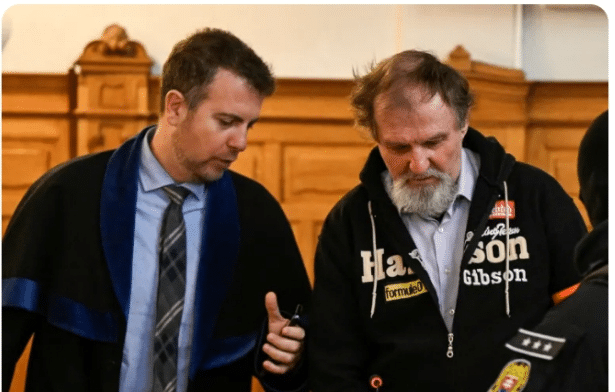
In May 2024, Cintula approached Fico after a government meeting in Handlova and fired four shots at close range, leaving the prime minister critically wounded.
The court concluded that the assault was not a random act of violence, but “a deliberate attempt to disrupt the lawful functioning of government.”
During the emotional hearing, Cintula stood defiantly, telling judges he never intended to kill Fico, only to “shake him from arrogance and corruption.”
“I am not a terrorist,” he said, “I am a citizen who lost faith in truth. The arrogance of power left me no choice.”
Investigators said Cintula had long expressed dissatisfaction with the Robert Fico government, especially its decision to halt military aid to Ukraine and move closer to Moscow.
They found writings in his home describing Fico as “drunk with power” and responsible for “destroying Slovakia’s democratic soul for political gain.”
The Fico shooting sent shockwaves across Slovakia, deepening a national divide between liberals who blame populism and conservatives who claim critics encouraged political hatred.
After the Slovak PM attack, Fico accused opposition parties and independent media of “spreading poison and hate” that culminated in an assassination attempt.
“The opposition built a monster,” Fico said in a rare post-recovery statement. “That monster eventually turned its gun on the heart of our republic.”
The populist leader, serving his fourth term, has long presented himself as the defender of “Slovak sovereignty” against what he calls “foreign liberal interference.”
Yet, many analysts argue that Fico used the tragedy to consolidate authority, silence dissent, and justify stricter laws on press and civil society.
Political scientist Tomas Kollar said, “The government’s reaction transformed a crime into a campaign tool — a rallying cry for stronger control and less accountability.”
The Slovakia court verdict was met with mixed emotions. Fico’s supporters called it justice, while critics said it blurred the line between terrorism and political protest.
Cintula’s lawyer, Namir Alyasry, told reporters, “My client was never radicalised. He acted alone, emotionally broken. Labeling him a terrorist only deepens division.”
He added, “They wanted an example, and they found one in an old poet whose gun spoke the words he couldn’t write anymore.”
Outside the courthouse, demonstrators held candles and placards reading, “Justice or Revenge?” and “Fear will not heal Slovakia.”
The Slovak PM attack became a symbol of a wounded democracy where anger replaced dialogue and ideology became ammunition.
Since Fico’s return to power in 2023, Slovakia’s political atmosphere has hardened, with NGOs, journalists, and liberal institutions facing intensified scrutiny.
Critics say the Robert Fico government has tilted toward authoritarianism, aligning more with Hungary’s Viktor Orbán and distancing itself from EU democratic norms.
His cabinet pushed through controversial constitutional amendments asserting that Slovak law overrides EU legislation and limiting rights for same-sex couples.
Fico defends these moves as “protecting Slovak values,” while opponents warn they erode freedoms and isolate Slovakia from its European partners.
After his conviction, Cintula stood motionless as the judge read the sentence, murmuring, “It was worth it.” Local media reported gasps rippling through the courtroom.
“He became both villain and martyr,” noted journalist Katarina Boda. “For some, he is insane; for others, a voice screaming against political deafness.”
The Fico shooting continues to dominate national discourse, dividing families, classrooms, and workplaces over whether Cintula was a criminal or a desperate truth-teller.
Supporters of the ruling party insist justice was served, citing Fico’s miraculous survival as proof of divine mercy and political resilience.
Opponents argue the Slovakia court verdict strengthened Fico’s grip on power and silenced uncomfortable conversations about corruption, governance, and moral decay.
“The real question,” said activist Jana Kralova, “is not whether Cintula was wrong, but what kind of country makes people feel violence is their only voice.”
Even Fico’s gesture of forgiveness — “I forgive him, but I won’t forget” — failed to heal the fractures or lower political hostility.
The Slovak PM attack has now entered national history, joining the list of moments that define a nation’s struggle between liberty and authority.
Across Slovakia, debates rage over whether this was the act of a madman or a symptom of deeper societal exhaustion.
Church leaders have called for reflection, urging citizens to “replace vengeance with understanding” and rebuild the moral foundation of public life.
Meanwhile, Cintula’s legal team confirmed plans to appeal, insisting the sentence was disproportionate and politically influenced by the Robert Fico government.
Alyasry said, “This is a life sentence for an old man, given not for his actions alone but for what he dared to symbolise.”
For many, that symbolism lingers — a poet’s gunshot echoing through Slovakia’s fragile democracy, forcing a reckoning between conscience and conformity.
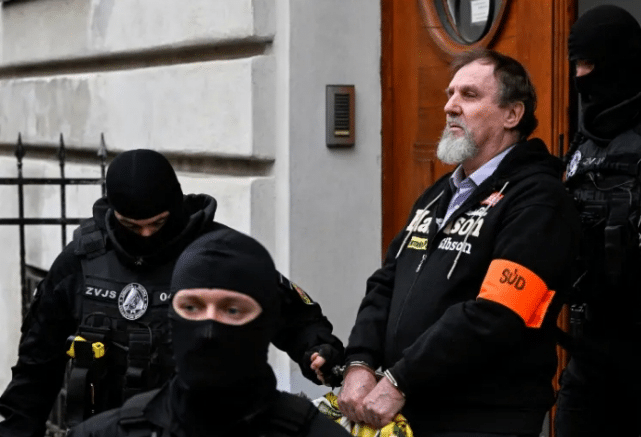
Whether viewed as madness or message, the Slovak PM attack remains a turning point that reshaped both the state’s politics and its soul.
As Slovakia moves forward, the courtroom silence of Juraj Cintula will haunt its halls of power for years to come.
About The Author