Operation Epic Fury casualties rise as six US troops were confirmed killed during escalating strikes on Iran, marking a grim milestone in the widening regional war, officials said Monday.
Six American service members have now died in what the Pentagon describes as “major combat operations” under Operation Epic Fury casualties rise as fighting intensifies across multiple Middle East fronts.
US Central Command confirmed the deaths, saying forces “recovered remains” of previously missing personnel after Iranian strikes targeted facilities linked to the joint US-Israeli offensive over the weekend.
The operation, launched after coordinated airstrikes, has rapidly expanded beyond initial targets, drawing retaliatory missile fire and raising fears of broader regional escalation and prolonged instability.
President Donald Trump acknowledged that “casualties may happen in war” but insisted the campaign would continue until Iranian offensive capabilities were dismantled permanently.
Defense secretary Pete Hegseth said the nation “honors the fallen” while pressing forward with objectives aimed at missile sites, naval assets, and security infrastructure.
According to US Central Command, the latest fatalities include troops wounded during Iran’s initial response who later “succumbed to injuries” despite emergency treatment.
Officials added that identities are being withheld pending family notifications, describing the fallen as “courageous patriots” who served during a volatile and unpredictable phase.
The mission, publicly named “Operation Epic Fury,” was framed as a decisive effort to “destroy Iranian offensive missiles” and prevent Tehran from advancing nuclear capabilities.
In a separate incident, three US fighter jets were mistakenly shot down in an apparent “friendly fire” episode over Kuwait, though all six crew members ejected safely.
Military sources emphasized the aircraft losses did not alter operational tempo, calling the incident “deeply regrettable” but contained within established investigative procedures.
Strikes have targeted facilities across Iran, including sites linked to missile production, air defense networks, and naval bases along strategic waterways.
Iran responded with retaliatory missile launches aimed at Israel and US installations in Gulf states, widening the battlefield and heightening regional alert levels.
Authorities in Tehran reported hundreds killed since the initial bombardment, while Israeli officials confirmed civilian deaths following Iranian missile impacts.
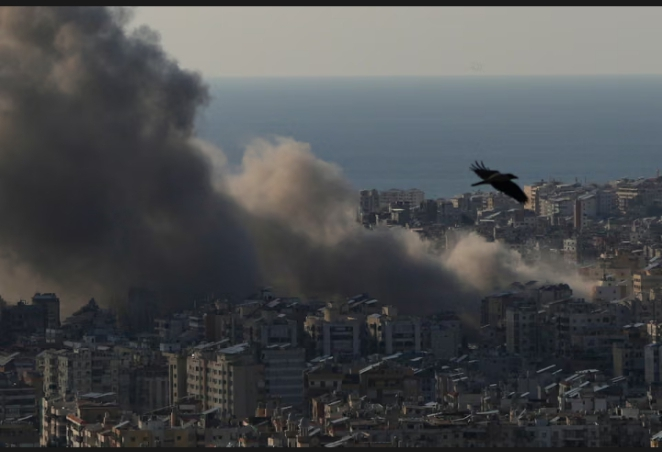
Lebanon’s health ministry also cited casualties from related airstrikes, underscoring how the confrontation now stretches across multiple borders.
Operation Epic Fury casualties rise as domestic political debate intensifies in Washington over the scope and duration of engagement.
A recent Reuters/Ipsos poll suggested less than one-third of Americans approve of the strikes, with many expressing uncertainty about long-term consequences.
Trump defended the strategy, saying America must “deliver a punishing blow” to adversaries threatening regional stability and global security.
Critics in Congress questioned whether objectives are clearly defined, warning that prolonged hostilities risk drawing additional powers into confrontation.
Meanwhile, evacuation advisories were expanded by the state department, urging US citizens in several Middle Eastern countries to depart immediately.
The advisory list grew to include Gulf nations hosting American bases, reflecting concerns about further retaliatory missile or drone attacks.
Military planners described the campaign as “surgical” yet overwhelming, aiming to degrade Iran’s strike capabilities without committing large ground forces.
However, analysts caution that airpower alone may not achieve lasting deterrence if regional militias continue proxy engagements.
Iranian leaders vowed “no leniency” in response, pledging continued missile launches and warning of consequences for regional partners supporting Washington.
Oil markets reacted sharply, with prices fluctuating amid fears that shipping routes could face disruption if fighting spreads to maritime corridors.
Diplomatic channels appear strained, though some European governments urged restraint and renewed negotiations to prevent further bloodshed.
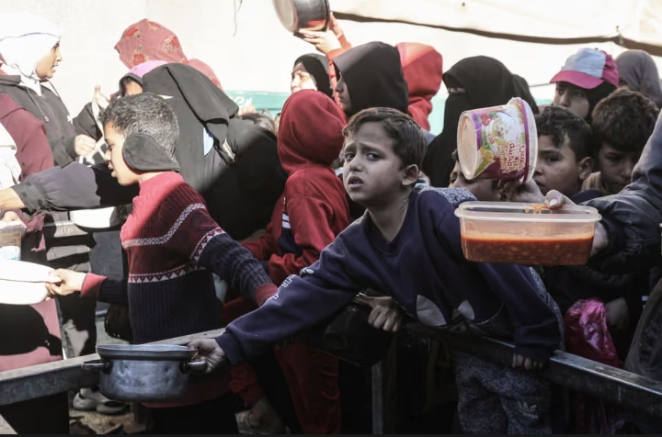
Operation Epic Fury casualties rise as humanitarian agencies prepare for displacement and infrastructure damage across densely populated areas.
Hospitals in affected regions reported strain on emergency services, citing power outages and shortages of medical supplies.
US officials maintain that strategic objectives remain achievable, pointing to degraded radar systems and damaged launch platforms.
Yet the acknowledgment of troop losses underscores the human cost embedded within high-intensity military campaigns.
Families of the fallen await formal confirmation, while memorial tributes are expected at bases across the United States.
Pentagon briefings stressed that force protection measures have been strengthened following initial Iranian counterstrikes.
Regional allies continue intelligence-sharing, reinforcing missile defenses and monitoring potential escalation flashpoints.
Operation Epic Fury casualties rise as both sides signal readiness for sustained confrontation lasting “weeks rather than days.”
Trump indicated operations could continue for up to a month, arguing decisive action now prevents greater threats later.
Security experts warn miscalculation remains a persistent danger, particularly after the reported friendly fire aircraft incident.
Despite losses, commanders insist morale remains steady, emphasizing training and coordination with Israeli counterparts.
The broader geopolitical landscape grows more uncertain as global powers weigh diplomatic or economic responses.
Read also: Iran-US war latest: Trump warns ‘big wave’ of new strikes as conflict enters third day
Operation Epic Fury casualties rise, marking a defining chapter in the evolving conflict between Washington and Tehran.
About The Author