Nigeria’s Petrol Price Hike Sparks Confusion Among Consumers
Despite the strengthening of the naira and a sharp decline in global crude oil prices, Nigeria’s petrol price hike continues to deepen economic pain for millions of citizens, raising questions about the transparency and structure of the nation’s downstream petroleum sector.
In recent weeks, pump prices across the country have surged from around N865 to nearly N1,000 per litre, a sharp increase that contradicts market fundamentals.
Traditionally, petrol prices in Nigeria are influenced by two main factors — the exchange rate and global crude oil prices.
However, both have shown relative stability or decline in recent months, leaving many puzzled about the current escalation.
According to market data, the naira has appreciated from about N1,700 to N1,477 per dollar since the first quarter of the year, while Brent crude oil prices have dropped from over $80 per barrel to about $60.
These conditions would typically suggest a downward adjustment in retail fuel prices. Yet, the opposite has occurred.
Energy analysts and stakeholders say Nigeria’s petrol price hike may be driven more by domestic supply distortions and speculative pricing rather than external market indicators.
Depot Owners and Supply Tightness Behind Rising Costs
The Independent Petroleum Marketers Association of Nigeria (IPMAN) has attributed the sharp increase to depot operators, who reportedly raised ex-depot prices following temporary disruptions at the Dangote Refinery.
IPMAN President, Abubakar Shettima, explained that depot owners hiked their prices after the refinery halted loading operations for several days, triggering a scarcity that marketers exploited.
“These depot operators are currently the only suppliers of petrol,” Shettima said.
“Once Dangote resumes full-scale loading, prices will stabilise. The refinery had paused operations temporarily, but we expect normal supply soon.”
Findings indicate that major depots such as Matrix, Fynefield, Pinnacle, and RainOil raised their ex-depot prices from around N830 to as high as N900 per litre, while filling stations across Lagos, Ogun, and Abuja adjusted their pump prices to between N930 and N950 per litre.
Even the Nigerian National Petroleum Company Limited (NNPCL) retail stations joined the trend, selling petrol at N928 per litre, about N50 higher than previous prices.
The company’s spokesperson, Andy Odeh, confirmed the adjustment, stating that the rise in depot prices directly influenced retail pump prices.
“When ex-depot prices go up, retailers must adjust accordingly,” Odeh noted. “It’s a reflection of supply chain realities, not necessarily of crude or forex movement.”
Dangote Refinery Reactivates Supply to Ease Pressure
Officials at the Dangote Petroleum Refinery have confirmed that petrol loading to marketers resumed earlier this week after temporary operational interruptions.
According to refinery representatives, loading activities are now ongoing round-the-clock to ease nationwide supply pressure.
“We are loading petrol, and we’ve even reduced diesel prices from N960 to N910,” one official said.
“The recent Nigeria’s petrol price hike is largely artificial and will ease once distribution normalises.”
Sources at the refinery linked the short-term disruption to maintenance activities and staffing changes, including the reported layoff of some engineers.
These, they said, caused delays in product distribution.
Industry insiders also believe the supply tightness was worsened by the PENGASSAN strike, which disrupted refinery logistics earlier this month.
Market Realities Challenge Deregulation Gains
While many Nigerians had hoped that domestic refining would stabilise prices under the deregulated market, the Nigeria’s petrol price hike suggests deeper structural inefficiencies in the petroleum value chain.
Economic analysts argue that the disconnect between global oil prices, foreign exchange rates, and local fuel costs points to persistent weaknesses in market regulation, transparency, and logistics coordination.
“Theoretically, a fall in crude prices and a stronger naira should bring down petrol prices,” said Olatide Jeremiah, an analyst at Petroleumprice.com.
“But the Nigerian downstream market is still driven by speculation, limited refining capacity, and supply chain manipulation.”
He added that the ongoing maintenance of the three state-owned refineries in Port Harcourt, Warri, and Kaduna means Nigeria still relies heavily on the Dangote Refinery for local supply.
Any brief disruption, therefore, has immediate and far-reaching price implications.
Consumers Bear the Brunt Amid Economic Pressure
For many Nigerians, the petrol price hike adds another layer of hardship amid high inflation, rising food costs, and declining purchasing power.
Transport fares have surged, with small businesses struggling to absorb increased operational costs.
Motorists in Lagos, Ogun, and the Federal Capital Territory report paying nearly N950 per litre, while rural communities face even higher costs due to logistics challenges.
“I spend almost twice what I used to on fuel every week,” said Adekunle Oladele, a commercial driver in Lagos.
“Even though the dollar has dropped, fuel prices keep rising. It doesn’t make sense anymore.”
Experts warn that unless the government improves transparency in the downstream sector and enforces fair pricing mechanisms, such paradoxes will persist, undermining public confidence in the deregulated system.
Hope for Stability as Refinery Operations Normalize
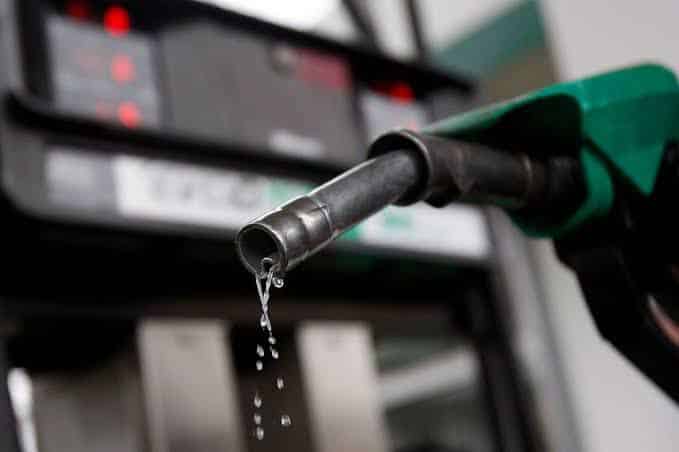
Despite current challenges, stakeholders remain optimistic that Nigeria’s petrol price hike will ease in the coming weeks as Dangote ramps up supply and depot operators adjust to improved market conditions.
IPMAN has called for stricter monitoring of depot activities to prevent artificial price inflation, while industry players have urged the federal government to enhance strategic fuel reserves to cushion short-term shocks.
“The government must enforce transparency in depot pricing and ensure product availability across all regions,” Shettima emphasised. “Once supply becomes steady, the market will self-correct.”
For now, Nigerians wait anxiously for relief at the pumps as local production and distribution gradually stabilise.
About The Author