Kanchha Sherpa, pivotal figure in mountaineering history, helped Tenzing Norgay and Edmund Hillary reach Everest’s summit in 1953.
Kanchha Sherpa, the last surviving member of the legendary 1953 Mount Everest expedition, has passed away in Nepal at the age of 92. His death marks the end of a historic era in Himalayan mountaineering.
The Nepal Mountaineering Association described Kanchha Sherpa as a “historic and legendary figure,” emphasizing his role in helping to achieve one of humanity’s greatest mountaineering feats. He died peacefully at his home in Kapan, Kathmandu.
“We are deeply saddened by the passing of Mr. Kanchha Sherpa, the last surviving member of the first successful summit of Mount Everest in 1953,” said Fur Gelje Sherpa, association president.

“His absence leaves an irreplaceable loss,” the president continued. “He will be dearly missed by the mountaineering community and Nepal as a whole.”
Kanchha Sherpa’s grandson, Tenzing Chogyal Sherpa, shared that his grandfather had recently experienced “some issues with his throat,” but otherwise had no major health concerns for his age.
Born in 1933 in Namche, a village in the Everest foothills, Kanchha grew up among Nepal’s Sherpa community, renowned for guiding expeditions through the Himalayas. His early life was marked by humble beginnings in farming and trade.
During his youth, Kanchha earned a living trading potatoes in neighboring Tibet. His path changed when friends persuaded him to visit Darjeeling, India, where he began mountaineering training and guiding foreign trekkers.
Kanchha’s father was a friend of the famed Sherpa guide Tenzing Norgay. This connection eventually led Kanchha to work as a high-altitude porter, assisting Norgay and New Zealander Edmund Hillary in their historic 1953 ascent.
The Everest expedition team in 1953 comprised 35 members, including climbers, Sherpas, and support staff. Kanchha was among three Sherpas to reach the final camp alongside Hillary and Norgay before the summit push.
On May 29, 1953, Hillary and Norgay reached the summit of Mount Everest, standing atop the 8,849-meter (29,032-foot) peak. Kanchha Sherpa, although not reaching the very summit, played a vital role in supporting this historic achievement.
Kanchha’s contributions helped ensure the safety and success of the expedition. His work included carrying essential supplies, setting up camps, and guiding climbers through treacherous terrain in extreme conditions.
After the 1953 expedition, Kanchha Sherpa continued working in the Himalayas for two more decades, assisting other climbers while navigating the dangers inherent in high-altitude mountaineering.
His family eventually convinced him to retire from the hazardous profession after losing several friends to accidents during Everest climbs. Kanchha never attempted the summit himself, as his wife considered it too risky.
Kanchha Sherpa later expressed concern about Everest’s transformation into a crowded adventure tourism destination. He worried that the influx of climbers had led to environmental degradation and unsafe climbing conditions.
National Geographic reported in 2024 that over 600 climbers attempt Everest annually, resulting in overcrowding and environmental challenges. The mountain’s watershed has become contaminated, threatening local communities’ health.
“The mountain has become so overcrowded that climbers often have to stand in line for hours in freezing conditions to reach the top,” Kanchha said in a 2024 interview.
He also criticized climbers’ disregard for the mountain’s sacred status among Sherpas. “Qomolangma is the biggest god for the Sherpas,” he said. “But people smoke and eat meat and throw them on the mountain.”
Kanchha Sherpa was married and had four sons, two daughters, and several grandchildren. Despite his mountaineering legacy, he discouraged his children from pursuing climbing due to the risks he witnessed firsthand.
His life journey reflects the broader story of Nepalese Sherpas, who have long been essential to mountaineering expeditions yet often remain unsung heroes behind climbers’ fame and recognition.
Sherpas’ expertise in high-altitude navigation, rope handling, and camp logistics is crucial. Figures like Kanchha Sherpa contributed immeasurably to global mountaineering history while maintaining humility and dedication to their communities.
Kanchha’s death coincides with a growing debate over Everest tourism. Climbers and environmentalists call for stricter regulations to preserve the mountain’s ecosystem and respect its spiritual significance.
Overcrowding has led to dangerous bottlenecks, increased fatalities, and significant waste accumulation. Sherpas often bear the brunt of these risks, carrying heavy loads and facing unpredictable weather conditions.
Despite never summiting himself, Kanchha Sherpa’s legacy remains intertwined with Everest’s first successful ascent, an achievement symbolizing human perseverance, cooperation, and courage in extreme environments.
His passing has prompted tributes from across the mountaineering community. Many emphasized not just his skill and courage, but his humility, dedication, and enduring respect for the mountains.
“The Sherpas’ contribution to mountaineering is invaluable, and Kanchha’s life exemplifies their resilience and skill,” said a fellow mountaineer reflecting on the 1953 expedition. “He was the heart of that historic team.”
Kanchha’s perspective on mountaineering also extended to ethics and safety. He urged climbers to respect nature, minimize environmental impact, and prioritize collective responsibility over personal glory.
His advocacy resonates today, as climate change and increased commercial activity threaten the Himalayas’ fragile environment. Sherpa voices, once overlooked, are now central to shaping sustainable climbing practices.
Over the years, Kanchha Sherpa gave interviews recounting the expedition’s challenges, from avalanches to altitude sickness, providing historical insight into a pivotal moment in mountaineering history.
He recounted how teamwork, trust, and preparation were as critical as physical endurance. Without Sherpas like him, the 1953 summit might never have been achieved, underscoring the often-unseen labor behind iconic feats.
Kanchha Sherpa’s story also reflects Nepal’s social and economic transformations. From subsistence farming to global mountaineering prominence, his life mirrored the Sherpas’ evolving role on the world stage.
Today, Everest is both a natural wonder and a hub of tourism, drawing thousands annually. Kanchha’s warnings about overcrowding and disrespect remain relevant, urging modern climbers to preserve the mountain’s sanctity.
The Nepal Mountaineering Association, alongside local communities, continues to honor Kanchha’s contributions. Plans are underway to commemorate his legacy and educate future generations about the Sherpas’ pivotal role.
Kanchha Sherpa’s life reminds us that history often rests not only on those who reach the summit, but also on those who support, guide, and endure in unseen ways, shaping the outcome of human achievement.
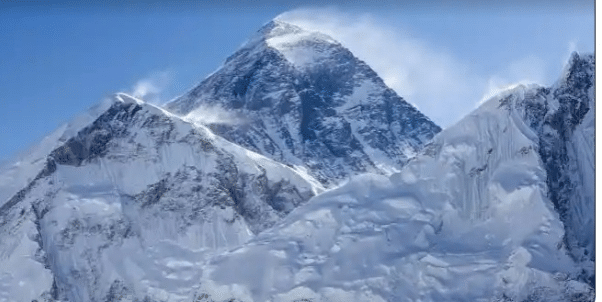
Even after retirement, Kanchha remained a voice for ethical mountaineering, speaking against reckless tourism practices that compromise safety and harm the environment, emphasizing the mountain’s spiritual importance.
His message resonates with climbers, environmentalists, and historians alike: respecting nature, acknowledging helpers, and preserving sacred landscapes are crucial for sustainable adventure and cultural integrity.
Kanchha Sherpa’s passing closes a chapter in mountaineering history but inspires ongoing reflection on courage, humility, and the profound connection between humans and the mountains they revere.
He will be remembered not for the summit he did not reach, but for the summit he made possible for humanity and the enduring lessons he imparted to the climbing world.
Kanchha Sherpa is survived by his wife, children, and grandchildren, who carry forward his values and memories, ensuring that his legacy endures in both family and mountaineering communities worldwide.
About The Author