Naira Strengthens in Parallel Market as Gap with Official Rate Narrows
Nigeria’s foreign exchange market witnessed a modest but significant shift yesterday as the naira strengthened in the parallel market, narrowing the gap between the official and unofficial exchange rates.
Data from the Central Bank of Nigeria (CBN) showed that the naira appreciated to N1,490 per US dollar in the parallel market, down from N1,495 per dollar recorded on Monday.
The move reflects renewed demand for the local currency and a slight easing of pressures in the informal segment of the market.
Meanwhile, the naira also recorded a marginal gain at the official Nigerian Foreign Exchange Market (NFEM), where the indicative exchange rate improved to N1,420 per dollar, compared with N1,420.5 per dollar on Monday.
The appreciation represents a 50 kobo gain, signaling that the official market is responding to a combination of liquidity improvements and demand moderation.
Naira strengthens to N1,490/$ in parallel market — What it means for Nigerians
The headline development—naira appreciates to N1,490/$ in parallel market—is notable because it indicates a reversal in the persistent trend of depreciation in the black market.
The parallel market, often referred to as the black market, typically reflects the true demand for foreign currency in the economy, and a narrowing gap between it and the official rate can signal greater confidence in the currency.
As the naira strengthened, the premium between the parallel and official markets narrowed to N70 per dollar, from N74.5 per dollar on Monday.
The narrowing spread suggests improved convergence between the two markets, a goal that has been repeatedly highlighted by the CBN as it seeks to unify the exchange rate regime.
What drove the change?
Analysts suggest that the improvement in the parallel market is being driven by a combination of factors.
These include increased dollar inflows from diaspora remittances, stabilised demand from importers, and a slight improvement in forex liquidity across official channels.
In addition, the CBN’s policy stance has been consistent in recent weeks, with efforts aimed at strengthening the naira by ensuring smoother supply of dollars in the official market.
This has encouraged some traders to rely more on official channels rather than the parallel market, which typically offers higher rates.
How the naira compares with other currencies
For context, the naira’s performance can be compared with other emerging market currencies.
In the same period, the South African rand traded around R19.50 per dollar, while the Kenyan shilling was about Ksh 153 per dollar.
The Ghanaian cedi remained under pressure, trading around GHS 14.30 per dollar, reflecting broader regional currency volatility.
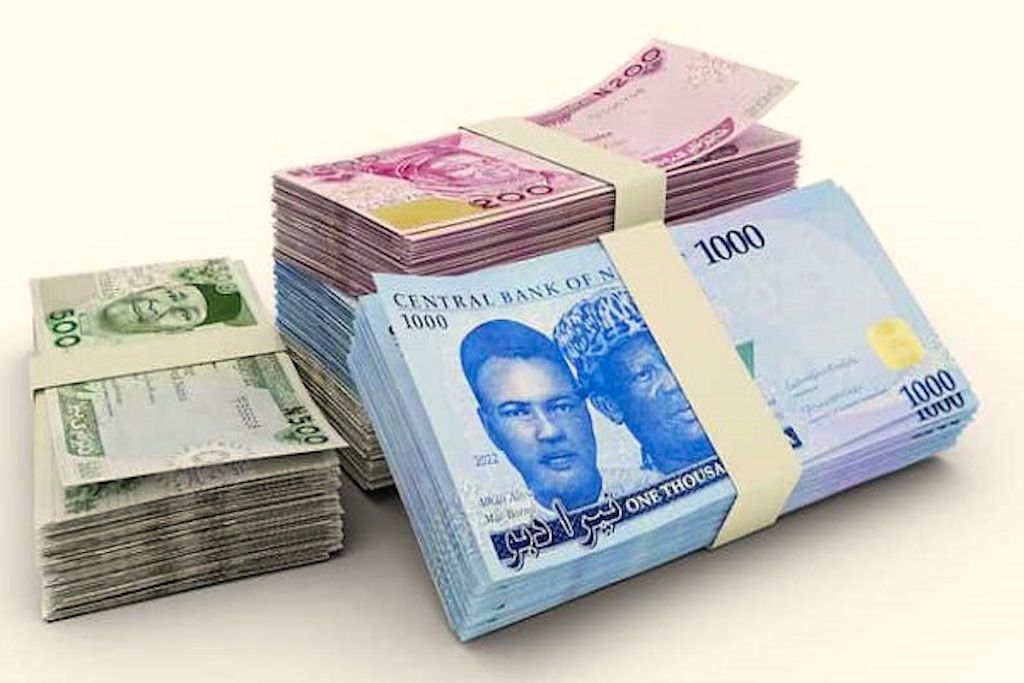
Internationally, the Euro was trading at about €0.93 per dollar, and the British pound was around £0.80 per dollar, indicating that global currency markets remain volatile amid mixed economic data and geopolitical uncertainty.
Implications for inflation and cost of living
The gradual strengthening of the naira is a welcome development for Nigerians, especially given the inflationary pressures that have persisted in the economy.
A weaker naira increases the cost of imported goods, contributing to higher prices for essential commodities such as rice, fuel, and pharmaceuticals.
If the naira continues to firm in the parallel market, it may help reduce the cost of forex-dependent imports, and in turn, potentially moderate inflation over time.
However, economists caution that the naira’s recovery must be sustained through consistent policy actions and improved forex liquidity.
Outlook for the coming weeks
Market watchers expect the exchange rate to remain sensitive to external and domestic factors. These include oil price movements, which affect foreign exchange earnings, and the level of foreign inflows into Nigeria’s financial markets.
Any major shift in global crude prices could influence the naira’s trajectory.
In addition, investor sentiment remains cautious as the market awaits further clarity on fiscal and monetary policy directions for 2026.
Should the CBN maintain stable forex supply and encourage more dollar inflows, the official and parallel markets may continue to converge.
Traders in major cities such as Lagos and Abuja reported that demand for dollars has eased slightly, as more individuals and businesses are turning to official sources.
Some importers noted that the improved rate in the parallel market is encouraging, but they remain watchful of potential volatility.
A currency dealer in Ibadan who spoke on condition of anonymity said the market is “gradually stabilising,” but added that “a lot depends on sustained dollar supply and government policies.”
The latest movement in the foreign exchange market, where the naira appreciates to N1,490/$ in parallel market, reflects a small but positive shift towards stability.
The narrowing gap between the parallel and official rates suggests growing confidence and improved market dynamics.
While the development is encouraging, experts maintain that consistent policy measures and improved forex liquidity are essential to sustain the gains and support long-term economic stability.
About The Author