

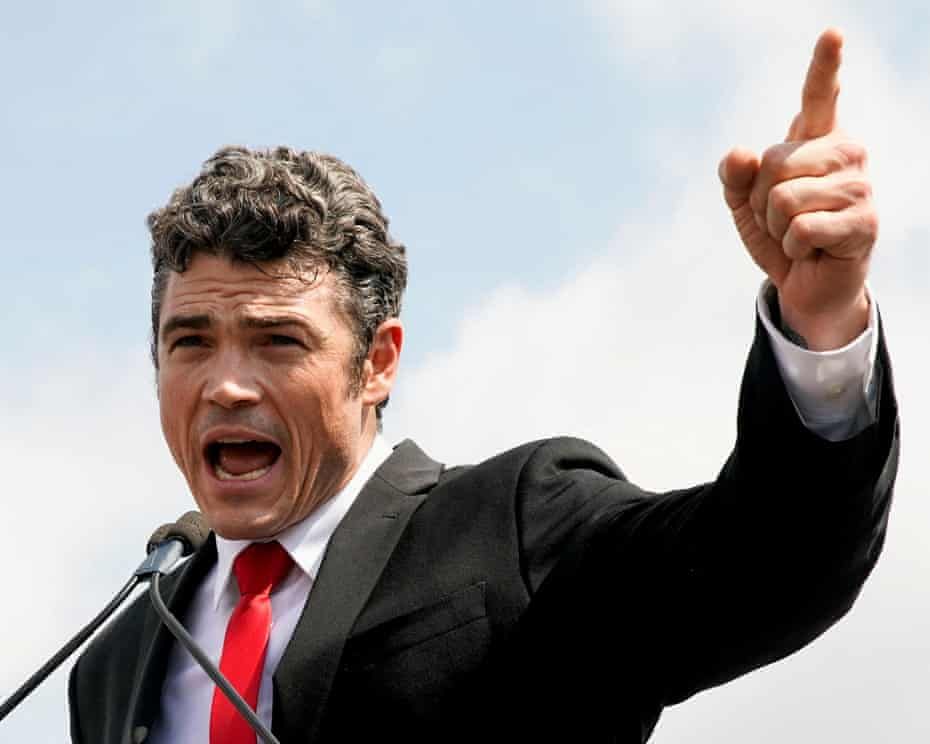
The Joe Kent resignation over Iran war has ignited political debate after warned he feared “political retribution” but insisted he had “no regrets” over his decision.
Kent, who served under , said he stepped down because he could not continue “in good conscience” amid escalating US involvement in the Iran conflict.
Speaking publicly, Kent declared he was “not concerned” about allegations of wrongdoing, stressing that “the truth and the facts are on my side” despite an ongoing federal investigation.
However, he admitted being wary of consequences, noting that “we’ve all seen the full weight of the FBI and the government come down” on individuals who challenge authority.
The resignation followed reports that the was examining claims related to potential leaks of classified information linked to Kent’s departure.
Kent dismissed the allegations, maintaining that he had acted appropriately and that any investigation would ultimately confirm his innocence regarding sensitive national security matters.
In interviews, Kent emphasized that the real issue was “why we’re at war and how we get out,” shifting focus from personal scrutiny to broader policy concerns.
He argued that the United States entered the conflict without sufficient justification, claiming Iran posed “no imminent threat” to American national security interests at the time.
Kent further suggested that external influence played a role in shaping US decisions, pointing to pressure from allied interests and political networks supporting military action.
His remarks have drawn criticism, particularly accusations that his claims echoed controversial narratives surrounding foreign policy influence and strategic decision-making.
The White House responded sharply, labeling Kent “weak on security” and reaffirming that Iran represents “a tremendous threat” requiring decisive action.
Trump himself has maintained that those who fail to recognize the threat lack judgment, reinforcing divisions within political and security circles over the war.
Kent’s resignation has also highlighted fractures within Trump’s political base, where some supporters have begun questioning the rationale behind continued military engagement.
Notably, Kent has appeared on platforms hosted by commentators who, while previously supportive, have expressed skepticism about the Iran war.
He reiterated that his “mission” is to stop the conflict, stating that opposing the war was worth becoming an “enemy” within political circles he once aligned with.
Kent’s background as a former special forces soldier adds weight to his critique, as he draws on military experience to question the strategic direction of current operations.
During his resignation, he argued that congressional authorization was lacking, raising constitutional concerns about the legitimacy of US involvement in the war.
The issue has sparked broader discussions in Washington about executive power and the limits of presidential authority in initiating military action.
Kent also criticized media narratives, alleging that certain outlets were repeating “the same talking points” aligned with pro-war positions.
He claimed such messaging “short-circuited” diplomatic efforts, reducing opportunities for negotiation and increasing the likelihood of prolonged conflict.
According to Kent, internal debates within the administration became increasingly limited, with fewer voices influencing decision-making as tensions escalated.
He described a shrinking advisory circle around Trump, suggesting that alternative perspectives were gradually sidelined during critical moments.
This, he argued, contributed to policy decisions that prioritized military solutions over diplomatic engagement with Iran.
Critics, however, contend that Kent’s views oversimplify complex geopolitical realities and underestimate perceived threats posed by Iran’s regional activities.
Supporters of the administration insist that intelligence assessments justified the response, emphasizing the need to counter potential risks proactively.
The controversy has intensified scrutiny on the role of intelligence agencies in shaping foreign policy and informing presidential decisions.
Meanwhile, lawmakers have called for greater transparency regarding the evidence used to justify military actions against Iran.
The situation has also fueled public debate, with citizens divided over whether the war is necessary or avoidable through diplomacy.
Analysts warn that internal dissent within national security leadership could impact operational coherence during an already volatile conflict.
Kent’s case highlights the personal and professional risks faced by officials who publicly challenge government policies during times of war.
His insistence that he would “do it all again” underscores his conviction, even as he navigates investigations and political backlash.
Observers note that such high-profile resignations can influence public perception and potentially shift political momentum on key issues.
The unfolding developments reflect broader tensions within US politics, where foreign policy decisions often intersect with domestic divisions.
Read also: Iran fires ballistic missiles at US base in Chagos Islands amid rising global tensions
As investigations continue and debates intensify, the implications of Kent’s resignation may extend far beyond his individual case.
Will the Joe Kent resignation over Iran war reshape public opinion on US involvement, or deepen divisions within the political and national security landscape?