

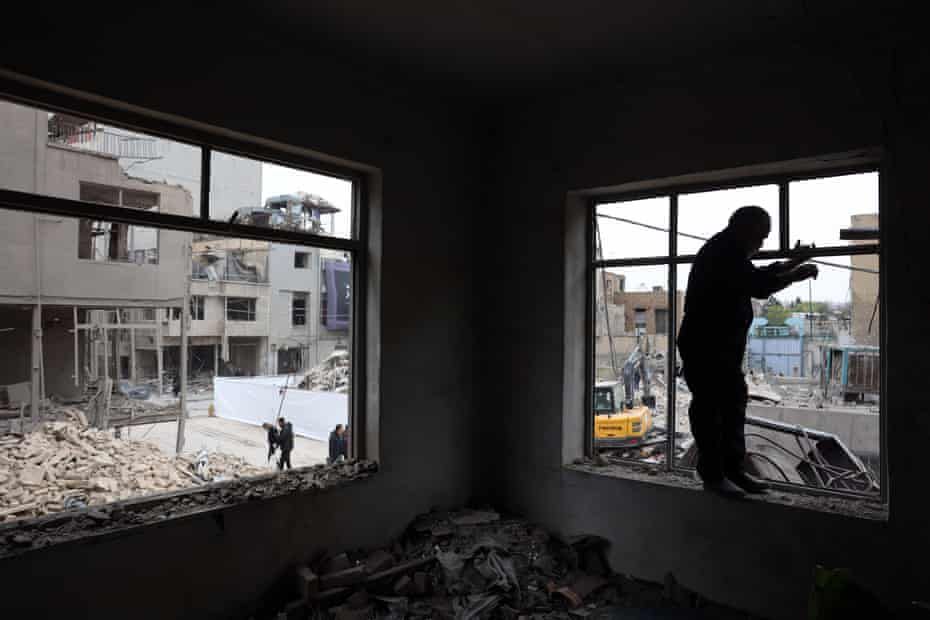
The Iran social media strategy information war has surged dramatically as pivots to digital influence campaigns in response to military strikes by the United States and Israel.
Cyber experts describe the campaign as “asymmetric warfare,” designed to complement battlefield operations while increasing moral and political pressure on adversaries through coordinated online narratives and viral content.
Iranian-linked networks have reportedly flooded platforms with posts targeting audiences in the United States, seeking to exploit divisions and amplify opposition to the ongoing war effort.
These efforts include AI-generated videos and images portraying exaggerated or fabricated battlefield outcomes, crafted to shape perceptions and undermine confidence in US and Israeli military success.
Some clips falsely depicted damage to American naval assets, while others showed simulated destruction in Israeli cities, spreading rapidly across social media ecosystems.
Officials in Washington have accused Iran of using artificial intelligence as a “disinformation weapon,” warning that such tactics represent a growing threat in modern conflict environments.
The campaign also reportedly includes memes and satirical content mocking leaders such as and to influence public opinion.
Analysts say these messages are carefully designed to resonate with existing political frustrations, particularly among audiences already skeptical of foreign military interventions.
In addition to external messaging, Iran has imposed a near-total domestic internet blackout, limiting citizens’ access to independent information sources during the conflict.
Authorities have warned against the use of satellite internet services, threatening penalties for those attempting to bypass state-imposed restrictions on communications.
Reports indicate that Iranian officials have also targeted expatriates, issuing warnings intended to discourage online criticism of the government or support for opposing forces.
Experts believe this dual approach—external influence and internal control—forms a central pillar of Iran’s broader wartime strategy.
Research from suggests that Iranian digital operations rapidly shifted focus following the outbreak of hostilities.
Previously, some accounts had engaged in unrelated geopolitical topics, but were quickly redirected to promote narratives aligned with Iran’s wartime messaging priorities.
These accounts began highlighting incidents such as civilian casualties and leadership losses, presenting them in ways designed to generate international sympathy and outrage.
Analysts noted that content often blends real events with misleading or manipulated elements, making it more difficult for audiences to distinguish fact from fiction.
The speed and scale of these operations have surprised observers, who describe the use of AI tools as “impressive” and highly coordinated.
Experts argue that Iran has spent years preparing for such scenarios, developing capabilities to operate effectively within the global digital information environment.
A key tactic involves identifying divisions within American political discourse and amplifying them to weaken consensus on foreign policy decisions.
By promoting voices critical of the war, Iranian networks aim to increase domestic pressure on US leadership to reconsider or limit military engagement.
This strategy reflects a broader understanding of how public opinion can influence democratic governments during prolonged conflicts.
Iranian state-linked media outlets have also played a role, rapidly sharing clips and commentary that align with their messaging objectives.
Observers say these platforms act as amplifiers, ensuring that selected narratives gain traction across multiple channels simultaneously.
The campaign’s effectiveness lies partly in its ability to reuse existing content, rather than creating entirely new material, enhancing credibility among target audiences.
Experts warn that such tactics blur the lines between organic political debate and coordinated influence operations.
Meanwhile, critics argue that the spread of misleading content risks inflaming tensions and complicating diplomatic efforts aimed at resolving the conflict.
International observers have called for greater vigilance, urging governments and technology companies to address the challenges posed by digital propaganda.
Social media platforms face increasing pressure to detect and remove coordinated disinformation campaigns without infringing on legitimate expression.
The information war underscores how modern conflicts extend beyond physical battlefields into digital spaces where narratives can shape outcomes.
Analysts suggest that controlling the narrative may be as strategically important as military success in determining long-term geopolitical results.
The campaign also highlights vulnerabilities within open information systems, where rapid content sharing can amplify misleading narratives globally.
Efforts to counter such operations require coordination between governments, private sector actors, and independent researchers.
Despite these challenges, the influence campaign continues to evolve, adapting to platform responses and audience reactions in real time.
As the conflict persists, digital operations are expected to remain a key component of Iran’s overall strategy.
Read also: Iran warns UK over US base use as aggression amid rising Middle East tensions
Observers emphasize that understanding these tactics is essential for interpreting developments accurately in an increasingly complex information landscape.
The growing reliance on AI tools marks a significant shift in how states conduct influence operations during wartime.
This evolution raises important questions about the future of information integrity and the role of technology in shaping global events.
As tensions escalate, the battle for public perception may prove just as consequential as developments on the ground.
Will the Iran social media strategy information war reshape global opinion on the conflict, or will countermeasures limit its impact on international audiences?
About The Author
