MPs have rejected the proposed social media ban for under-16s, despite widespread discussion and backing from some campaigners and public figures.
The amendment, introduced to address growing concerns about online harms affecting children, was defeated by 307 votes to 173, a majority of 134, signaling a major setback for proponents of stricter online protections for young users.
Supporters of the social media ban for under-16s argued that parents are increasingly struggling to protect their children from harmful online content and addictive platforms, while critics warned that a blanket restriction could push teenagers toward unregulated corners of the internet, leaving them even more vulnerable.
The amendment was part of proposed changes to the Children’s Wellbeing and Schools Bill, put forward by Conservative former minister Lord Nash. It aimed to give the Secretary of State powers to impose age restrictions on social media, regulate addictive features, and monitor online tools that may harm children.
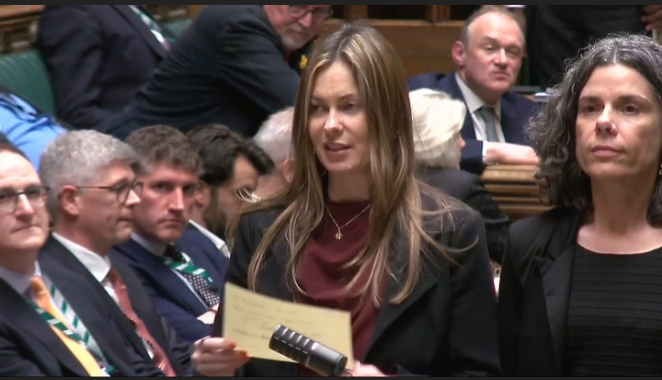
Education Minister Olivia Bailey told MPs that many parents and campaign groups had called for an outright social media ban for under-16s, but emphasized the need for practical measures that protect children without forcing them into secretive online behavior.
“A blanket ban might drive children toward less regulated platforms or leave them unprepared for the digital world,” she said, stressing that the government’s approach seeks a balance between safety and access.
Labour MP John McDonnell, who broke party lines to support the amendment, said the debate was about protecting children from platforms specifically designed to be addictive.
“This is not about restricting freedom,” he said. “It’s about safeguarding children who are being systematically targeted by algorithms and content that can harm their mental wellbeing. Parents cannot fight this battle alone.”
His remarks reflect a growing concern among MPs that children remain exposed to online harms affecting children in ways that parents and educators struggle to manage.
Organizations such as the NSPCC cautioned against a blanket social media ban for under-16s, arguing it could have unintended consequences. Dr. Sophie Ramsey, a child psychologist, explained: “Evidence shows that simply banning access does not prevent exposure to harmful content. Education, parental engagement, and platform accountability are equally important.”
Nevertheless, supporters of the social media ban for under-16s argue that the current environment leaves children vulnerable to mental health issues, cyberbullying, and addictive content.
Actor Hugh Grant, a vocal advocate for online safety, said: “Parents are in an impossible position. Children’s wellbeing should be the priority, and sometimes that means limiting access to platforms designed to exploit them.”
Although the amendment was defeated, the Commons approved a government proposal to grant the Secretary of State additional powers.
Under this framework, officials could impose age restrictions on social media, regulate features such as autoplay, and limit the use of VPNs among minors.
Technology Secretary Liz Kendall said these measures are designed to improve the digital wellbeing of teenagers, giving them safer and healthier online experiences rather than unnecessarily restricting access. “We need evidence-based policies, not reactive bans,” she stated, noting that the government has launched a consultation to guide future legislation.
The consultation seeks input on minimum age requirements, regulation of addictive features, and strategies to educate young users about digital wellbeing, aiming to support both protection and digital literacy.
The vote revealed divisions within political parties. Some Conservative MPs supported the amendment, while others abstained. Labour MPs were similarly split, with 107 abstentions reflecting concerns over enforcement challenges and the practicality of a ban.
Read also: Trump Iran war impact drives North Korea nuclear strategy as Kim Jong-un prioritizes regime survival
North Somerset MP Sadik Al-Hassan, who abstained, said: “As a parent, I see the harm that social media can cause. But outright bans are not always the most effective solution.
We need a nuanced approach that combines regulation, education, and parental support.” Lord Nash, who introduced the amendment in the House of Lords, criticized the Commons decision as a missed opportunity to tackle online harms affecting children at a national level. “We have clear evidence of social media causing measurable harm to children. This amendment was a practical step to give authorities the powers they need,” he said.
Campaigners supporting a social media ban for under-16s argue that early exposure to addictive platforms can have long-term consequences. Research indicates that excessive social media use can increase anxiety, depression, sleep disruption, and impair social development among children and teenagers.
Supporters of the ban maintain that restrictions are necessary to create a safer digital environment, particularly given the sophisticated design of many social media platforms to encourage prolonged engagement.
“We are asking for a simple safeguard,” said Julia Kent, director of a UK child welfare charity. “Limiting access for younger children is a responsible step, not an infringement of rights.”
Critics point to challenges in enforcing a social media ban for under-16s and the potential for driving children to less-regulated online spaces. Technology consultant Simon Eastwood explained: “Children are resourceful. If you block one platform, they may switch to another app or use VPNs to bypass restrictions.
Education and supervision are far more effective than blanket prohibitions.” Despite these concerns, the discussion underscores a growing awareness in the UK of the risks children face in a digital world dominated by algorithm-driven content.
Parents continue to express frustration at the lack of effective regulation. Sadik Al-Hassan, reflecting on his own experience, said: “Platforms are engineered to keep children hooked. Parents are battling this daily and cannot win alone. We need measures that give adults tools to protect children.”
Many MPs agreed that while a full social media ban for under-16s might not be feasible immediately, stronger regulations and controls were necessary to mitigate harm and educate children about healthy online usage.
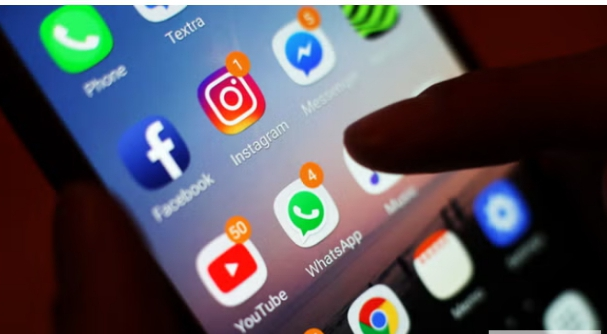
The government consultation will also explore measures beyond outright bans, including adjusting the digital age of consent, limiting addictive features such as autoplay and endless scrolling, and regulating virtual assistants or chatbots interacting with children.
Technology Secretary Liz Kendall emphasized that any action would be evidence-based, balancing safety with the need for children to develop digital skills and resilience.
The Commons vote marks a pivotal moment in the ongoing conversation about online safety, highlighting the complex balance between protecting children and respecting their engagement with the digital world.
While the social media ban for under-16s has been rejected for now, the debate continues, with further regulatory measures likely as the government evaluates consultation feedback.
About The Author