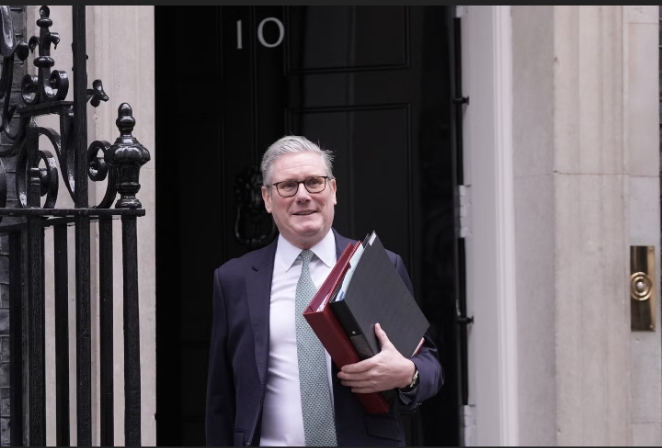
Keir Starmer has outlined bold plans to curb smartphone use among children under 16, aiming to protect minors from online dangers and harmful digital content.
The reforms could introduce a minimum age limit for social media platforms, place restrictions on infinite scrolling, and prevent children from interacting with AI chatbots.
Officials are considering measures to block access to virtual private networks (VPNs) for children, preventing circumvention of safety controls and exposure to pornography or other inappropriate material.
Ministers are moving quickly to implement powers that allow immediate action, closing loopholes, and ensuring AI chatbot providers comply with the Online Safety Act.
“As a parent, I understand the anxiety surrounding children online,” Starmer said. “Our laws must evolve alongside technology to ensure young people are safeguarded in digital spaces.”
The Prime Minister emphasized that the UK will lead globally in online safety, promising no social media platform will receive immunity when children’s welfare is at stake.
“The Grok intervention was just the start,” Starmer added. “We are creating the legal framework to close gaps and protect children from online harm effectively.”
A national consultation is scheduled for March to guide social media protections, prioritizing input from parents and children to ensure the measures address real-world risks.
The Children’s Wellbeing and Schools Bill will allow ministers to rapidly adjust regulations, responding to shifts in online behaviours and new digital threats facing minors.
Amendments to the Crime and Policing Bill will enforce protections in AI chatbots, preserving children’s online data while blocking access to illegal or harmful content.
Technology secretary Liz Kendall said, “Parents demand swift action, which is why we confronted Grok and Elon Musk. Children’s safety online is a top priority for our government.”
Kendall highlighted that AI chatbot rules are only the first step, adding that rapid implementation of social media reforms will follow consultation outcomes on child online safety.
“We are committed to ensuring children enjoy a safe and balanced childhood,” she said. “Digital protections must keep pace with technological change to prevent harm and promote wellbeing.”
Shadow education secretary Laura Trott criticized the plan, claiming “so-called immediate action lacks credibility when the consultation does not even exist, delaying meaningful protection for children.”
The UK follows Australia, which in December became the first country worldwide to ban children from certain social media platforms, demonstrating a global trend toward digital regulation for minors.
Campaigners for “Jools’ Law” have welcomed government adoption of measures to preserve children’s online data, highlighting tragic cases where lack of digital oversight had devastating consequences.
Lord Nash, a Conservative former minister, emphasized the moral duty to prevent future tragedies, warning that delay in raising age limits puts children at unnecessary risk every day.
Starmer’s proposals aim to strike a balance between parental guidance, government oversight, and technological regulation, creating a framework to protect children while preserving access to educational digital tools.
“Parents must not face a digital minefield alone,” Starmer stated. “We will provide the legal and practical tools to guide children safely through an increasingly online world.”
The government consultation will also explore additional protections, including monitoring algorithms, restricting exploitative advertising, and ensuring social media platforms cannot bypass safety measures for under-16s.
By addressing gaps in law and platform accountability, Starmer aims to position the UK as a leader in child digital protection, setting standards that may influence other countries worldwide.
With consultation results due later this year, ministers hope to implement age restrictions, AI oversight, and other measures quickly, safeguarding children before potential harm escalates.
“This is about giving children the childhood they deserve,” Kendall added. “Our goal is safe online spaces, responsible platforms, and peace of mind for parents across the country.”
Read also: Obama Alien remarks: Former US President says Aliens are real but may be hidden underground
The reforms represent a coordinated approach between government departments, legal frameworks, and tech industry accountability, targeting both immediate risks and long-term digital wellbeing for children.
About The Author