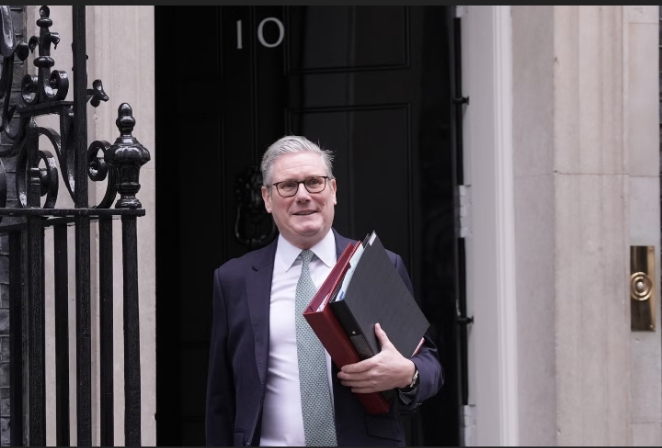
Iranian Foreign Minister Abbas Araghchi arrived in Geneva on Monday to lead the second round of the Iran US nuclear talks in Geneva, aiming to prevent escalation and ensure diplomatic progress.
“I am in Geneva with real ideas to achieve a fair and equitable deal,” Araghchi said. “Submission before threats is not on the table,” emphasizing Iran’s firm stance on sovereignty.
The negotiations come after renewed diplomatic engagement earlier this month, with both sides seeking to resolve decades-long disputes over Tehran’s nuclear program and reduce the risk of military conflict.
Araghchi will be accompanied by Iranian nuclear experts to engage in detailed discussions with the International Atomic Energy Agency (IAEA), ensuring that technical matters are fully addressed before broader negotiations begin.
The IAEA has requested access to Iran’s nuclear facilities, some damaged during previous military strikes. Iran insists that careful protocols must be observed to safely inspect highly enriched uranium.
Araghchi is also scheduled to meet his Omani counterpart, Badr bin Hamad al-Busaidi, who mediated the first round of US-Iran talks, highlighting the importance of regional intermediaries in these sensitive negotiations.
Iran has consistently rejected Washington’s demand for zero enrichment, maintaining that its nuclear program is for peaceful purposes and its missile program represents a “red line” that cannot be compromised.
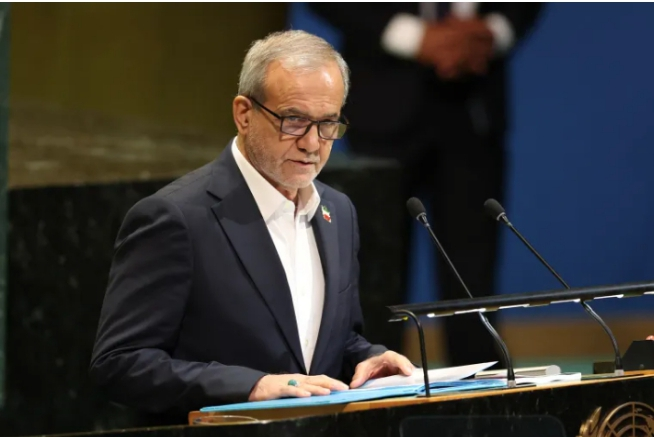
Meanwhile, the United States has increased its military presence in the region, including the deployment of a second aircraft carrier, signaling that Washington is prepared for escalation if diplomacy fails.
President Donald Trump has indicated that a change in Iranian leadership “would be the best thing that could happen,” while sending senior envoys to represent the White House at the Geneva talks.
The timing of the Iran US nuclear talks in Geneva is critical, occurring after Iran’s crackdown on nationwide protests, which has drawn international condemnation for excessive use of force against demonstrators.
Iranian authorities describe the unrest as instigated by “terrorists” and “rioters” supported by foreign powers, while human rights organizations report thousands of peaceful protesters were killed, mainly on January 8 and 9.
The second round of talks will focus not only on nuclear issues but also on regional security, with both sides seeking ways to prevent a broader Middle East conflict while maintaining diplomatic leverage.
Observers note that the US military buildup adds pressure to Iran’s negotiating position, signaling that Washington wants concrete progress in Geneva while demonstrating readiness for military action if necessary.
Araghchi has emphasized that Iran is seeking a “fair and equitable deal” rather than unilateral concessions, signaling a willingness to negotiate while protecting national interests and technical capabilities.
The outcome of these negotiations could shape Israel-Iran relations and US policy in the region, as Jerusalem continues to advocate for strict limitations on Tehran’s nuclear and missile capabilities.
Iran’s deputy foreign minister has indicated that the ball is in Washington’s court to demonstrate willingness to negotiate seriously, while Tehran remains open to agreements that respect its sovereignty and security.
Diplomats in Geneva will also discuss mechanisms for monitoring Iran’s nuclear program, including verification measures and transparency protocols to satisfy the IAEA and reassure the international community.
Switzerland’s role as host underscores its neutrality, while Oman’s involvement highlights the strategic importance of regional partners in facilitating dialogue between Tehran and Washington.
The second round of Iran US nuclear talks in Geneva coincides with other diplomatic efforts, including negotiations aimed at ending the Ukraine war, demonstrating the interconnected nature of global security issues.
Ukrainian President Volodymyr Zelenskyy recently noted that Kyiv has “too often” been asked to make concessions, illustrating the delicate balance between military pressure and diplomatic negotiation in high-stakes conflicts.
Despite expectations, no immediate breakthrough is expected, with Iran and the US maintaining firm positions on enrichment levels, missile programs, and verification procedures, reflecting deep-rooted mistrust.
Iranian officials stress the need for enforceable international guarantees to prevent unilateral military actions, underscoring the country’s insistence on security assurances as a condition for meaningful negotiations.
Failure to reach a compromise could increase the risk of military confrontation, prompting regional allies to prepare contingency measures in case diplomacy falters, making the Geneva talks globally significant.
Araghchi’s delegation highlights Iran’s strategy of pursuing diplomacy while maintaining technical sovereignty over nuclear and missile programs, reflecting a careful balance of negotiation and deterrence.
Analysts suggest that successful negotiations could ease longstanding nuclear tensions and reduce the risk of regional escalation, while failure could harden positions and provoke renewed geopolitical tensions.
Domestic political pressures in both Iran and the United States continue to shape the talks, with leaders balancing public expectations, international scrutiny, and regional security considerations in their negotiating strategies.
Read also: Kim Jong-un opens new homes for families of fallen North Korean soldiers in Pyongyang
Key outcomes in Geneva may include agreements on uranium enrichment limits, sanctions relief frameworks, and verification arrangements, potentially paving the way for further multilateral engagement and confidence-building measures.
Global attention remains focused on the Iran US nuclear talks in Geneva, where the stakes are high and the outcome could influence international security, energy markets, and diplomatic alignments for years to come.