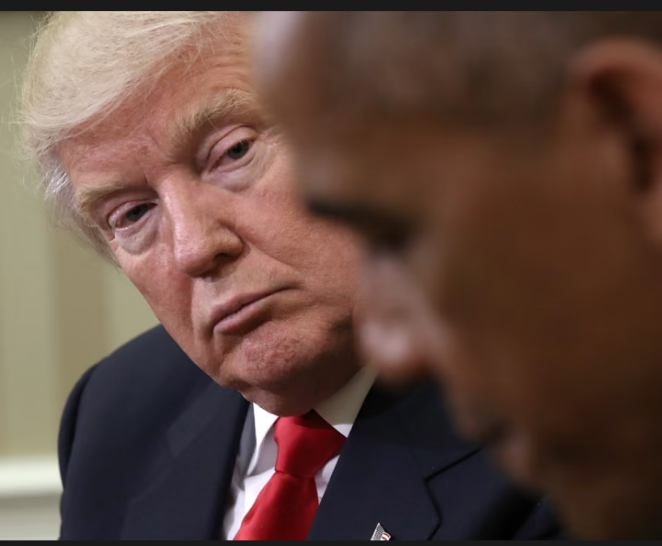
Iran US nuclear talks resumed on Friday with cautious optimism after Tehran described the indirect negotiations as a “good start”, signalling a possible shift away from months of confrontation.
The talks followed a prolonged period of hostility marked by military strikes, economic pressure and deepening mistrust that had pushed both countries to the brink of wider conflict.
Iran’s foreign minister, Abbas Araghchi, said the discussions were held in a constructive atmosphere, despite what he called “layers of mistrust” built up over years of tension.
He stressed that any continuation of the talks would depend on internal consultations in Tehran and Washington, as well as a clear absence of threats.
“Dialogue cannot move forward under pressure,” Araghchi said, adding that respect and restraint were essential for diplomacy to succeed.
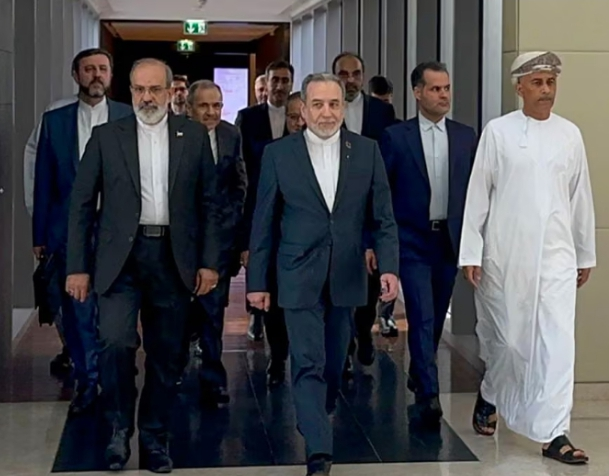
The negotiations marked the first engagement between Iran and the United States since last June’s military strikes on Iranian nuclear facilities derailed a previous diplomatic process.
Those strikes, backed by Washington and carried out by Israel, caused extensive damage and hardened Iranian suspicions about American intentions.
Since then, the United States has reinforced its military presence across the Middle East, deploying naval and air assets to signal deterrence.
President Donald Trump has repeatedly warned that Iran would face consequences if it failed to address concerns over its nuclear activities.
At the same time, Trump has maintained that he prefers diplomacy, saying on several occasions that “a deal is better than endless conflict”.
Iranian officials remain unconvinced, fearing negotiations could be used as a cover for continued pressure or attempts to destabilise the regime.
Tehran has repeatedly demanded assurances that talks are not a “smokescreen” for regime change or renewed military action.
The latest round of negotiations was mediated by Oman, which held separate meetings with Iranian and American delegations throughout the day.
Oman’s foreign minister, Badr al-Busaidi, said the consultations aimed to create conditions for renewed diplomatic and technical engagement.
“These talks reflect a shared determination to seek stability and lasting security,” al-Busaidi said in a statement after the meetings.
The US delegation was led by President Trump’s envoy, Steve Witkoff, with Jared Kushner also participating in the discussions.
Senior military figures, including US Central Command commander Admiral Brad Cooper, were also present, highlighting Washington’s reliance on strategic pressure.
Iran has long argued that visible military posturing undermines trust and weakens the credibility of diplomatic outreach.
“After months of war and escalation, rebuilding confidence is extremely difficult,” Araghchi said following the talks.
He acknowledged that mistrust between Tehran and Washington had deepened but said dialogue remained the only viable alternative.
Despite tensions, Iranian negotiators were satisfied that discussions would remain limited to the nuclear issue at this early stage.
Washington had previously indicated it wanted talks to cover Iran’s missile programme, regional alliances and domestic governance.
US Secretary of State Marco Rubio said earlier this week that Iran’s “regional behaviour” could not be ignored indefinitely.
Iran rejected that approach, insisting that expanding the agenda would derail negotiations before progress could be made.
“Our talks are solely about the nuclear programme,” Araghchi said. “We do not discuss other matters with the Americans.”
At the centre of the dispute is Iran’s insistence on its right to enrich uranium on Iranian soil.
That right was recognised under the 2015 nuclear agreement, which collapsed after the United States withdrew several years later.
Iranian officials say uranium enrichment is essential for civilian energy development and national sovereignty.
Diplomats familiar with the talks suggest Iran may consider temporary limits on enrichment under a new framework.
One proposal involves suspending higher-level enrichment for a fixed period while establishing a regional civilian nuclear consortium.
In return, Tehran is seeking substantial sanctions relief and a revised inspections regime at its nuclear facilities.
Economic pressure is a major driver behind Iran’s renewed diplomatic engagement with Washington.
The Iranian rial has lost roughly half its value against the dollar since the June military strikes.
Rising inflation, particularly food prices, has sharply reduced living standards for ordinary Iranians.
These pressures fuelled widespread protests that erupted late last year across major cities.
The demonstrations were met with a harsh security crackdown, resulting in thousands of reported deaths.

Iranian officials accuse the United States of exploiting domestic unrest to weaken the government.
Washington has denied seeking regime change but has publicly expressed support for Iranian protesters.
The nuclear talks have also unfolded amid renewed military warnings from the US president.
Trump has said American forces remain ready to strike if diplomacy fails to produce results.
Tehran has warned that any attack would trigger retaliation against US interests and regional allies.
Despite the rhetoric, US officials reportedly held back from launching strikes last month.
Concerns over potential Iranian reprisals and regional escalation influenced that decision.
For now, the resumption of Iran US nuclear talks represents a fragile diplomatic opening rather than a breakthrough.
Both sides appear aware that continued escalation carries significant risks for regional and global stability.
Whether this cautious return to dialogue leads to a durable agreement remains uncertain.
Read also:Trump approves Starmer’s Chagos deal despite public theatrics
What is clear is that diplomacy, though strained, is once again back on the table.