Trump approves Starmer’s Chagos deal after weeks of diplomatic tension, signalling a sharp reversal that stabilises UK-US relations and revives Labour’s controversial Chagos Islands sovereignty agreement.
Donald Trump’s backing came after he previously branded the agreement an “act of great stupidity,” triggering a political storm that rattled Downing Street and unsettled defence planners.
The deal centres on transferring sovereignty of the Chagos Islands to Mauritius while safeguarding the strategically vital Diego Garcia military base through a long-term lease arrangement.
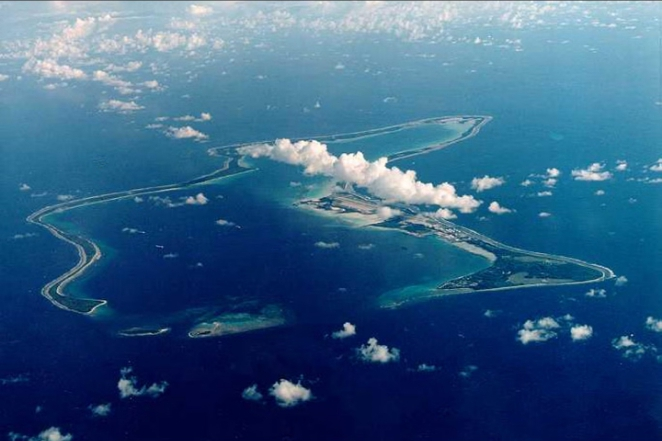
UK ministers insist the agreement is essential to preserve security cooperation with Washington and protect one of the west’s most important overseas military installations.
Trump confirmed his reversal on Truth Social, describing the agreement as “the best” Sir Keir Starmer could secure under difficult geopolitical circumstances.
He added a stark warning, however, insisting the United States would “never allow” its presence on Diego Garcia to be threatened under any future scenario.
“If the lease ever falls apart, I retain the right to militarily secure and reinforce the American presence,” Trump declared, underscoring ongoing US strategic dominance.
The statement reassured defence officials but alarmed critics who argue the deal weakens British sovereignty and exposes the UK to future diplomatic leverage.
Sir Keir Starmer has defended the agreement repeatedly, stressing it ensures uninterrupted operation of the joint UK-US base while resolving longstanding international disputes.
“This deal protects our security interests and upholds international law,” a Downing Street source said, calling it “the only credible path forward.”
The Chagos Islands have remained contested since their separation from Mauritius in 1965, a move widely criticised by international courts and human rights bodies.
Pressure intensified after rulings suggested Britain’s continued control lacked legal legitimacy, leaving successive governments searching for a viable resolution.
Labour revived negotiations shortly after taking office, framing the agreement as both a legal necessity and strategic safeguard for western defence interests.
Ministers privately admit US approval was always essential, given Diego Garcia’s role in American military operations across the Middle East and Indo-Pacific.
Trump’s earlier opposition shocked allies, with sources saying his remarks caused “real alarm” inside Whitehall and raised fears of a diplomatic rupture.
Starmer accused Trump of attempting to use the deal to pressure Britain over unrelated issues, including US ambitions concerning Greenland.
That accusation escalated tensions, prompting emergency diplomatic contacts aimed at preventing a collapse in UK-US relations.
Behind the scenes, officials worked to reassure Washington that the base’s future would remain ironclad under the proposed lease arrangement.
The government confirmed the plan would cost £35bn over the next century, covering lease payments and operational guarantees for Diego Garcia.
Critics seized on the figure, accusing Labour of wasting taxpayer money while surrendering sovereign territory to a foreign power.
Dame Priti Patel labelled the agreement “a massive strategic blunder,” claiming it handed influence to a Mauritius government aligned with China.
“Handing over British territory and billions of pounds is an act of total weakness,” she said, vowing continued Conservative opposition.
Despite fierce criticism, ministers say US endorsement fundamentally changes the political calculus surrounding the deal.
White House press secretary Karoline Leavitt confirmed Trump spoke directly with Starmer and now supports his decision.
“The United States reserves the right to protect its assets,” she said, “but the president supports the prime minister’s plans.”
That reassurance paved the way for the stalled legislation to return to the House of Lords after being withdrawn amid backlash.
Labour figures argue Trump’s reversal validates their claim that the agreement strengthens, rather than undermines, western security cooperation.
They point to Trump’s history of dramatic U-turns, including recent retractions over comments about British soldiers in Afghanistan.
After Starmer raised those remarks directly, Trump publicly praised “the great and very brave soldiers of the United Kingdom.”
The episode reinforced Starmer’s approach of direct engagement, even when confronted with inflammatory rhetoric from Washington.
Read also:No 10 defies calls to sack Morgan McSweeney
Supporters say the Chagos agreement reflects pragmatic diplomacy in an increasingly volatile global landscape.
“Perfect solutions don’t exist,” one senior official said, “but responsible governments make hard choices to protect national security.”
International reaction has been cautious, with allies welcoming stability while monitoring how the lease arrangement is ultimately enforced.
Mauritius has hailed the deal as a historic correction of colonial injustice, while pledging cooperation over military access.
Human rights groups argue displaced Chagossians must still receive greater compensation and resettlement support.
Labour says further discussions will address those concerns as implementation moves forward.
The agreement’s future now hinges on parliamentary approval and sustained US commitment beyond Trump’s current term.
Defence analysts warn that any breakdown could reopen disputes and destabilise a key strategic hub.
For now, Trump’s endorsement removes the most immediate obstacle facing the government’s plans.
It also highlights the transactional nature of modern diplomacy, where blunt rhetoric often masks pragmatic outcomes.
As global tensions rise, the Diego Garcia base remains central to western military planning.
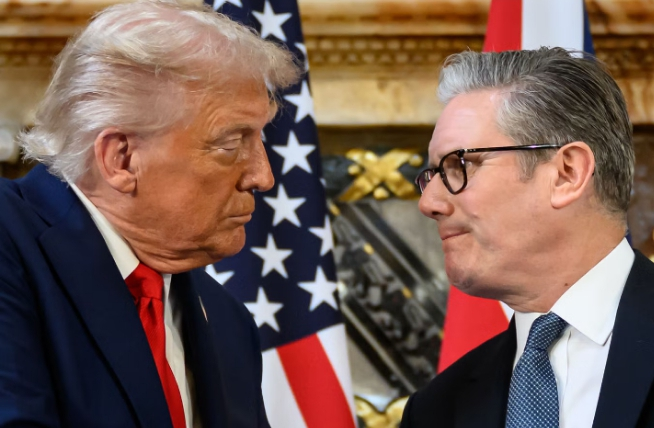
Starmer has framed the deal as ensuring Britain remains a reliable ally in an uncertain world.
“This is about security, responsibility and realism,” a Labour source said.
Whether Trump approves Starmer’s Chagos deal permanently or conditionally, its consequences will shape UK foreign policy for decades.
About The Author