Jenin surrender killings have ignited outrage after witnesses reported Israeli soldiers shot two unarmed Palestinian men attempting to surrender, fueling accusations of systemic brutality across the occupied territory.
Video evidence and eyewitness accounts suggest the men raised their shirts to demonstrate they carried no weapons, yet they were ordered backward before gunfire erupted again.
Local residents said the shooting displayed unmistakable intent, describing the moment as “cold, deliberate, and merciless,” underscoring public anger already intensified by months of relentless military operations.
Human rights advocates said the Jenin surrender killings represent a disturbing pattern, arguing the incident reflects unchecked military impunity that has gone unchallenged for years.
Authorities claimed the men were linked to armed networks, but residents insist the soldiers staged a coercive scene, then opened fire despite the suspects complying fully.
“What we witnessed was an execution, not an arrest,” one observer said, emphasizing the growing perception of extrajudicial violence now overshadowing the region.
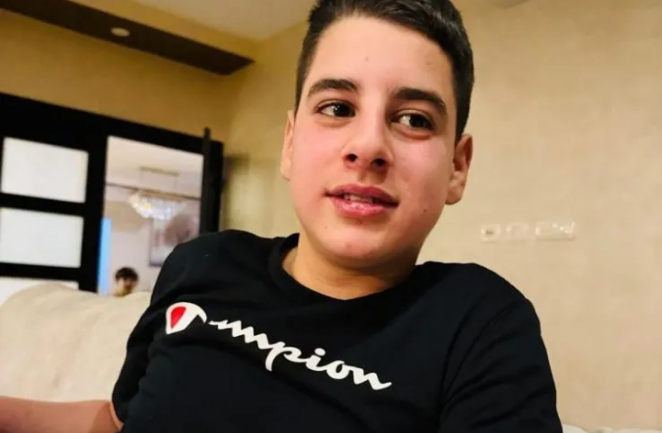
The victims were identified as young men known locally, fueling grief and frustration among families already exhausted by constant West Bank raids targeting their communities.
Military spokespeople stated a surrender protocol was followed, but analysts argue such explanations have repeatedly served as post-incident shields, rarely leading to accountability.
Critics say reviews launched by military commanders rarely produce meaningful consequences, creating an environment where repeated force is normalized and inquiries function as empty formalities.
Local leaders condemned the killings as a blatant violation of international norms, urging foreign governments to intervene and halt what they described as a deteriorating humanitarian emergency.
“This was a shocking crime,” a regional political figure declared, accusing Israeli forces of escalating force, destabilizing communities, and ignoring long-standing global warnings.
Far-right Israeli officials praised the killings online, reigniting tensions and accentuating ideological polarization around the use of lethal force in densely populated Palestinian zones.
Residents say such rhetoric encourages soldiers to intensify operations, framing the occupied population as targets rather than civilians entitled to legal protection under international law.
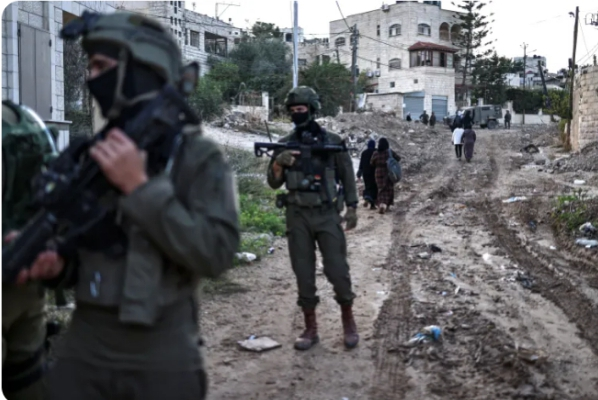
The deadly incident occurred amid expanded aerial and ground operations, with drones and helicopters deployed across northern areas as part of intensified sweeps.
Communities across Jenin, Tubas, and Tulkarem report rising nighttime storms of gunfire, bulldozers, and armored vehicles pushing deeper into residential areas.
At least dozens have been wounded and hundreds detained since the latest incursions began, adding to a year marked by unrelenting pressure and widespread forced displacement.
Families describe chaotic evacuations, with soldiers storming homes, destroying walls, and barring ambulances from reaching the injured during the most violent hours.
Journalists attempting to document the operations say they have been blocked or threatened, limiting independent reporting and intensifying fears of abuses hidden from public scrutiny.
Residents recount homes demolished without warning, infrastructure destroyed within minutes, and elderly civilians physically assaulted during house-to-house raids.
Humanitarian agencies say the region is nearing breaking point, warning that mass displacement in northern camps meets thresholds for international legal investigation.
A legal expert described the pattern as “a sustained strategy of population removal,” arguing that the Jenin surrender killings illustrate the lethal extremes of current policies.
Eyewitnesses recalled children screaming as gunfire echoed around the camp, while soldiers shouted orders and moved door-to-door searching for additional detainees.
One resident said, “They want to empty these camps, block our roads, destroy our homes, and erase our presence,” capturing the desperation felt across the territory.
Human rights organizations say the situation demands an urgent and independent inquiry into civilian deaths, unlawful detentions, and systemic suppression of Palestinian communities.
International observers expressed alarm that the killings occurred during surrender, stressing that surrendering combatants and unarmed individuals must be protected under law.
Regional activists call for emergency diplomatic intervention, warning that the current pace of violence risks triggering a broader collapse of security across the West Bank.
The Jenin surrender killings have intensified calls for outside monitoring forces capable of restraining expanding military actions and protecting vulnerable residents.
Analysts argue these operations align with long-term objectives to redesign the demographic landscape of northern camps under the guise of security enforcement.
Demolition orders issued for dozens of homes this week add to hundreds previously targeted, signaling a sweeping transformation of the refugee camp’s physical structure.
Community leaders say such policies serve to tighten military control, reshape camp geography, and permanently weaken Palestinian political and social cohesion.
International legal scholars warn that the systematic nature of the destruction may qualify for review under global statutes prohibiting collective punishment.
Rights groups describe the situation as part of a larger architecture of domination, where extrajudicial violence and demolition work hand-in-hand to suppress resistance.
Residents say these combined pressures create a daily struggle for survival, with no guarantee of safety, shelter, or due process in a militarized environment.
Older residents say they have never seen such expansive force, noting soldiers now conduct as many as fifty raids a day across scattered Palestinian communities.
Eyewitness accounts suggest the increased frequency reflects a shift from policing to outright territorial control, with civilians bearing the full cost of the escalation.
Medical teams report being blocked repeatedly, leaving injured civilians stranded in contested streets without lifesaving access to treatment or evacuation.
A humanitarian worker said, “Every hour brings new casualties, yet checkpoints delay medics while homes crumble around families screaming for help.”
As the region reels, calls for international action grow louder, demanding sanctions, investigations, and diplomatic pressure to halt further bloodshed.
Analysts warn that without decisive intervention, violence will continue to worsen, producing deeper instability and encouraging further violations of civilian protections.
The Jenin surrender killings symbolize a broader collapse of restraint, illuminating how power asymmetry has shaped years of conflict and eroded legal safeguards.
Local communities vow to preserve evidence, document testimonies, and ensure the world understands the severity of the crisis unfolding across the West Bank.
Families of the victims demand justice, refusing to allow the deaths to fade into the long list of unresolved killings that have haunted the region for decades.
Activists say justice requires independent monitors, transparent investigations, and consequences that address not only the killings but the policies enabling such acts.
Despite fear, residents continue speaking publicly, believing silence will only embolden forces executing the raids and deepening the cycle of harm.
The crisis highlights the urgent need for sustained international presence capable of deterring abuses, safeguarding civilians, and monitoring military conduct.
Residents hope increased visibility will force global powers to confront the consequences of years of unchecked operations and structural oppression.
Amid ongoing turmoil, the chilling images of the Jenin surrender killings now define public consciousness, a stark reminder of lives lost under occupation.

Communities brace for further raids, aware that each night may bring more detentions, more demolitions, and more scenes echoing the brutality witnessed in Jenin.
About The Author