The detention of US teen Mohammed Ibrahim has reignited fierce anger after his nine-month imprisonment ended, prompting demands for accountability and exposing entrenched patterns of Israeli prison abuse.
Mohammed Ibrahim’s supporters say his release highlights the brutality of a system long criticised for targeting youths during violent West Bank raids, a reality now impossible to ignore.
Family members describe the detention of US teen Mohammed Ibrahim as an attack on fundamental rights, insisting the ordeal reflects calculated pressure inflicted on Palestinian minors detained across the occupied territory.
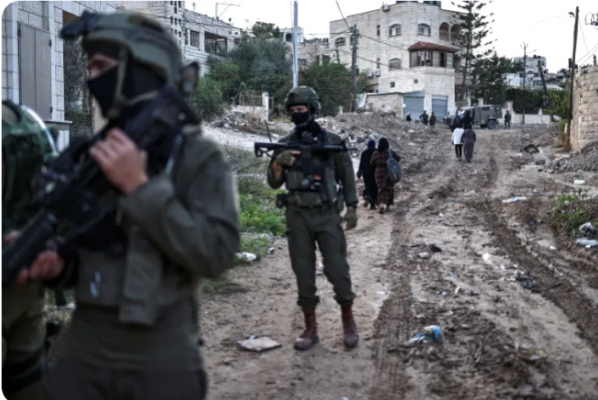
Advocates argue his experience illustrates systemic cruelty, stating the detention of US teen Mohammed Ibrahim became emblematic of how Israel handles young detainees, especially those carrying American citizenship.
“His suffering was deliberate,” one family advocate declared, stressing that “no teenager should emerge from custody carrying visible scars and emotional devastation inflicted by armed authorities.”
Mohammed’s arrest followed a nighttime incursion in February, during which Israeli forces stormed al-Mazraa ash-Sharqiya, a town repeatedly traumatised by near-daily West Bank raids.
Witnesses insist the teenager was blindfolded, handcuffed, and dragged from his family’s home without explanation, leaving relatives frantic as soldiers disappeared into the darkness.
“He screamed for us, but they didn’t even let him look back,” a relative said, describing the moment soldiers seized him amid cries echoing through the neighbourhood.
For months, his family endured silence. Israeli authorities barred phone calls, barred visits, and barred all contact, deepening fears about worsening Israeli prison abuse.
US staff were the only individuals permitted to see him, though family members say even diplomatic updates arrived sporadically, leaving them in agonizing uncertainty.
Every report they received was worse than the last. Mohammed had lost drastic weight, suffered a spreading skin infection, and appeared increasingly frail under harsh prison conditions.
“He looked like he hadn’t seen the sun in months,” a US official allegedly remarked privately, describing the boy’s deteriorating health during one monitored inspection.
The detention of US teen Mohammed Ibrahim quickly escalated into a national controversy within the United States, drawing lawmakers into an intensifying US pressure campaign.
Twenty-seven members of Congress signed a letter demanding immediate intervention, warning that the teenager’s health was collapsing as Israeli authorities continued withholding family access.
Senator Chris Van Hollen amplified the case, insisting that “American citizenship must mean protection, not abandonment,” a statement that electrified human rights advocates nationwide.
Civil rights groups rallied aggressively, arguing Mohammed’s imprisonment represented a dangerous precedent for the treatment of young Americans seized during West Bank raids.
“No democratic state should detain a child without contact,” one rights organizer asserted, condemning the system for routinely isolating Palestinian minors detained inside its facilities.
Critics say Israel’s military court structure is notorious for harsh interrogations, forced confessions, and prolonged detentions that strip children of legal safeguards expected under international norms.
Mohammed allegedly faced extended questioning without family or legal support, an approach the groups say fits longstanding complaints of coercive tactics within the military detention network.
His father described their trauma, explaining that each day without news felt “like another day watching our son disappear into a void created by a system determined to break him.”
During his nine-month confinement, Mohammed celebrated his 16th birthday behind bars, an event his relatives say intensified their grief, knowing he spent the milestone in fear and isolation.
Authorities justified the arrest by alleging he threw stones at settlers, yet the family maintains these accusations were fabricated, designed to justify the original violent home invasion.
“The charge was a pretext,” a family spokesperson said. “They needed an excuse for how brutally they handled him, so they created a narrative built on intimidation.”
Rights organizations maintain that stone-throwing accusations are frequently deployed to rationalize sweeping detentions, especially during West Bank raids conducted without transparent oversight.
Mohammed’s uncle said the family lived “a nightmare no American family should face,” describing sleepless nights filled with dread, rumors, and desperate hope for any sign of life.
The child’s mother reportedly collapsed several times during the ordeal, overwhelmed with fear that her youngest child was enduring escalating Israeli prison abuse out of sight.
Even after the case gained momentum in Washington, the family says Israeli authorities remained dismissive, deflecting inquiries and resisting calls to improve conditions or provide medical care.
Only persistent diplomatic pressure, public outcry, and widespread media attention kept Mohammed’s case alive, preventing it from fading into obscurity like so many Palestinian minors detained each year.
Advocates within the United States credit the US pressure campaign with forcing Israel to release Mohammed, arguing the government acted only after the narrative threatened diplomatic stability.
“They let him go because they were losing the political battle,” a rights lawyer said, describing the release as “reluctant compliance, not compassion.”
When Mohammed finally returned home, relatives say he appeared physically weakened, emotionally withdrawn, and profoundly changed, bearing the unmistakable signs of confinement.
His parents wrapped their arms around him as he arrived, sobbing with relief, unable to speak for several minutes as the magnitude of the moment overwhelmed the family.
“No mother should wait nearly a year to know whether her child is alive, fed, or safe,” his aunt said, speaking through tears as neighbors gathered in solidarity.
Mohammed’s release has ignited calls for renewed scrutiny of Israel’s detention practices, especially surrounding Palestinian minors detained during tense military operations.
Human rights experts warn the boy’s case is not an exception but a reflection of deeply entrenched policies used to pressure communities and intimidate families during ongoing West Bank raids.
Advocacy groups demand the United States enforce stronger standards on allies, insisting American citizenship must provide protection even within volatile geopolitical environments.
They call for independent investigations into claims of Israeli prison abuse, emphasizing the need for transparency, accountability, and structural reform inside facilities holding minors.
Mohammed’s family plans a quiet celebration, cooking his favorite meal and marking the 16th birthday he lost during confinement, hoping to bring comfort after a painful ordeal.
His father says the celebration symbolizes resilience, signaling that no matter the suffering endured, the family will rebuild their son’s confidence, dignity, and sense of safety.
But they insist this cannot end quietly. They continue urging lawmakers to ensure no American child faces another detention of US teen Mohammed Ibrahim situation ever again.
“We won’t let this be forgotten,” his uncle vowed, calling for justice and denouncing the systems that allowed a child to vanish behind layers of bureaucracy and military power.
As Mohammed begins recovery, supporters say his story stands as a stark reminder of what unchecked authority, opaque detention systems, and relentless occupation can inflict on vulnerable youths.
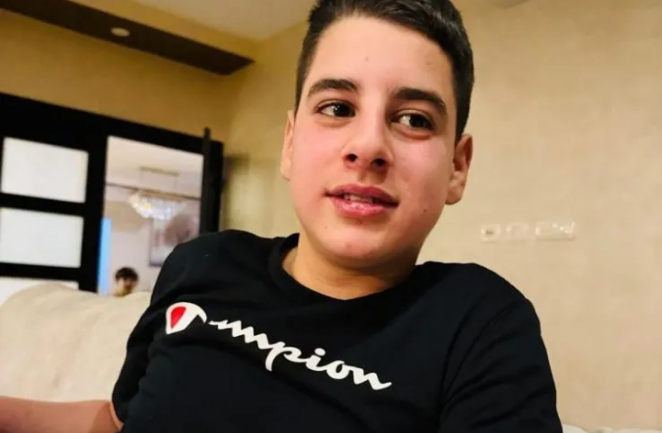
His case now fuels a broader movement demanding the end of abusive detention practices, an end to arbitrary arrests, and an end to the suffering experienced by Palestinian minors detained each year.
The family hopes their son’s survival can become a catalyst for change, believing the tragedy of the detention of US teen Mohammed Ibrahim must never be repeated under any circumstances.
About The Author