Israel attacks Gaza’s south, north during ‘repeatedly violated’ truce, with airstrikes, artillery shelling, and demolition operations hitting residential areas in Beit Lahiya, Gaza City, and Khan Younis, causing widespread civilian casualties.
Gaza’s Health Ministry reported at least 245 Palestinians killed and 627 injured since the ceasefire began on October 10, 2025, with hospitals overwhelmed and medical supplies dangerously low amid ongoing bombardment.
Airstrikes have destroyed homes, schools, and public buildings, forcing thousands to flee. Witnesses described explosions shaking entire neighborhoods, with families seeking shelter in overcrowded facilities under constant threat of attack.
Israeli forces also conducted strikes in southern Lebanon, targeting weapons storage and underground tunnels allegedly used by Hezbollah, despite the ceasefire signed last year intended to halt hostilities between the parties.
Hezbollah denies aggressive activity in southern Lebanon, yet Israeli forces continue to maintain troops in several locations, raising fears of a potential escalation into broader regional conflict involving multiple actors.
In the West Bank, Israeli settlers vandalized a mosque near Salfit, pouring flammable material and leaving racial slurs on its walls, highlighting persistent tensions and settler violence against Palestinian civilians in the area.
Gaza’s Civil Defence teams recovered 51 bodies from a mass grave in Sheikh Radwan, Gaza City, underlining the devastating human cost of the ongoing Israeli military operations across densely populated urban areas.
The Israeli military claims to have killed three fighters in Rafah while dismantling tunnels, but local reports emphasize that civilians, including children and the elderly, were affected, questioning the proportionality of strikes.
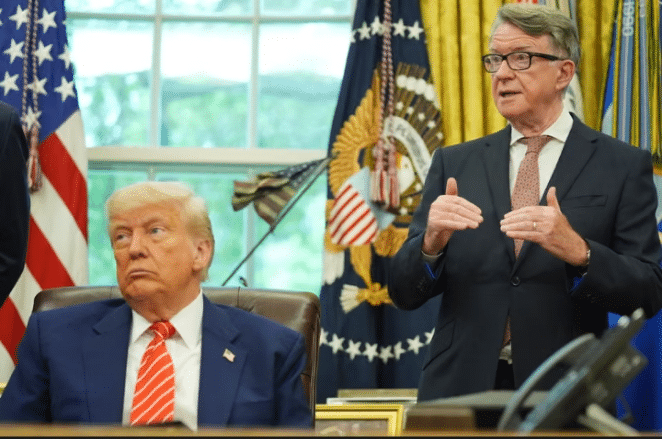
United States President Donald Trump called Israel’s president requesting a pardon for Prime Minister Netanyahu, describing the corruption trial as politically motivated, while regional violence continues and humanitarian conditions worsen in Gaza.
Allegations of Israel using human shields have surfaced, with human rights organizations warning that civilians are being placed in extreme danger, violating international humanitarian law and preventing safe humanitarian access.
Hospitals report critical shortages of electricity, clean water, and medical supplies. Thousands of displaced families are living in makeshift shelters while aid deliveries struggle to reach the northern and southern areas of Gaza.
Zikim crossing recently reopened to allow limited humanitarian aid, but relief remains insufficient to meet growing needs. Civilians continue to suffer from food insecurity, disrupted healthcare, and limited access to basic services.
Thousands of Gaza’s children face a lost childhood, assuming adult responsibilities to care for their families amid escalating violence, while schools, playgrounds, and safe spaces remain damaged or closed due to repeated strikes.
Witnesses reported constant fear as air raids targeted Beit Lahiya, Gaza City, and Khan Younis. Residents described explosions shattering windows, collapsing homes, and sending families scrambling to shelters, leaving communities traumatized.
Israeli military operations in southern Lebanon and Gaza aim to counter Hezbollah and militant groups. Critics argue these strategies disproportionately affect civilians and fail to comply with international humanitarian law standards.
Repeated ceasefire violations have made the agreements fragile. Diplomatic efforts have not prevented escalation, leaving Gaza civilians exposed to further attacks, mass casualties, and worsening humanitarian conditions in urban and rural areas.
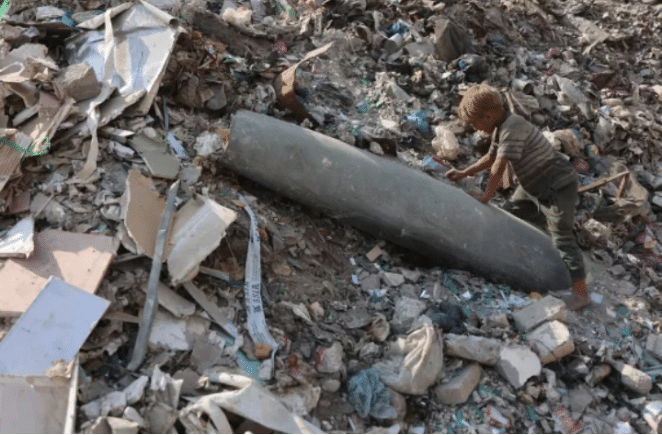
Journalists documented horrific conditions, including unexploded missiles, demolished homes, and displaced families. Omar Al-Qattaa of AFP reported a Palestinian boy observing a missile near Firas market, showing the daily dangers civilians face.
Israeli settlement violence in the West Bank continues to aggravate tensions, including attacks on mosques, homes, and civilian infrastructure, further complicating peace efforts and undermining international calls to reduce hostilities.
Human rights organizations dispute Israeli claims that strikes target only militants. Reports confirm significant civilian casualties, destroyed infrastructure, and hospitals under siege, highlighting the human cost of airstrikes across Gaza City, Beit Lahiya, and Rafah.
Global reactions urge restraint. The United Nations, European Union, and Arab League have called on Israel to respect ceasefire agreements, prevent further civilian harm, and allow humanitarian access across Gaza and southern Lebanon.
Repeated breaches of ceasefire agreements illustrate fragile peace in Gaza. Both political and military pressures have intensified violence, demonstrating the urgent need for international oversight, protection of civilians, and access to humanitarian aid.
The humanitarian crisis continues to worsen, with families displaced, homes destroyed, and communities struggling for survival. Israel attacks Gaza’s south, north during ‘repeatedly violated’ truce, leaving thousands at risk of malnutrition, illness, and death.
Children bear the brunt of the crisis, facing trauma, disrupted education, and forced labor to support their families. Psychologists warn of long-term psychological effects, potentially shaping an entire generation scarred by conflict.
International law prohibits targeting civilians and disproportionate force. Yet repeated airstrikes on Gaza’s residential areas have prompted global calls for independent investigations into potential war crimes and violations of international humanitarian law.
Without urgent intervention, the humanitarian situation could deteriorate further, risking additional civilian casualties, food shortages, and regional instability affecting Gaza, the West Bank, and southern Lebanon.
Civil society groups, international organizations, and local authorities continue to call for immediate cessation of hostilities, emphasizing human rights protection, accountability for violations, and safe humanitarian corridors across the region.
Israel attacks Gaza’s south, north during ‘repeatedly violated’ truce, demonstrating the fragility of peace, the severity of the humanitarian crisis, and the pressing need for coordinated international action to protect civilians.
The repeated strikes and violations highlight the difficulty of achieving sustainable peace. As Gaza faces continued destruction, international actors must prioritize humanitarian aid, conflict resolution, and protection of vulnerable populations.
The destruction of schools, clinics, and homes underlines the urgent need for reconstruction efforts alongside immediate conflict de-escalation. Civilians continue to suffer from displacement, trauma, and restricted access to essential services.
Witness accounts from Gaza describe unrelenting fear, chaos, and loss. Families report children crying under rubble, neighbors helping one another escape collapsing buildings, and communities struggling to maintain basic survival amid constant attacks.
Israel’s actions in Gaza and southern Lebanon exemplify ongoing regional tensions. Military operations targeting Hezbollah and Palestinian groups risk escalating conflicts, while civilian casualties intensify international condemnation and humanitarian appeals.
As political disputes persist, the international community faces increasing pressure to enforce ceasefire agreements, protect civilians, and ensure humanitarian assistance reaches those in desperate need across the Gaza Strip.
Israel attacks Gaza’s south, north during ‘repeatedly violated’ truce, leaving homes destroyed, families displaced, and children traumatized, while hospitals, clinics, and public infrastructure remain under siege amid ongoing military operations.
Analysts warn that without effective ceasefire enforcement, monitoring, and accountability, the conflict may continue indefinitely, exacerbating human suffering and threatening regional stability across Gaza, the West Bank, and southern Lebanon.
The humanitarian crisis, repeated ceasefire violations, and ongoing military operations underscore the urgent need for international intervention, protection of civilians, and sustained diplomatic efforts to prevent further escalation.
Civil society, human rights organizations, and journalists continue to document abuses, providing evidence to international courts and calling for accountability while delivering essential aid to residents living under constant threat of violence.

The future of Gaza remains uncertain as repeated violations of ceasefires continue. Israel attacks Gaza’s south, north during ‘repeatedly violated’ truce, leaving civilians exposed to continuous bombardment and humanitarian deprivation.
About The Author