Peter Mandelson emails Epstein have resurfaced, revealing the former UK ambassador maintained contact with the disgraced financier well beyond initial public reports, prompting renewed scrutiny from officials and journalists alike.
The emails indicate that Peter Mandelson emails Epstein included personal birthday greetings and casual conversation, contradicting earlier statements suggesting their communications ceased after 2010, surprising political analysts and observers.
One message dated November 6, 2016, shows Epstein congratulating Mandelson on his 63rd birthday, with Mandelson replying that he planned to “extend his life by spending more time in the United States.”
Epstein responded with a reference to “the Donald White House,” highlighting how Peter Mandelson emails Epstein captured an unusual mix of personal familiarity and awareness of American political shifts.
These revelations reignited questions about Mandelson’s judgment and decision-making when he served as the UK ambassador, as critics argue that Peter Mandelson emails Epstein reveal continued engagement despite public scrutiny.
In a September letter to embassy staff, Mandelson admitted he felt “utterly awful about my association with Epstein 20 years ago,” though Peter Mandelson emails Epstein show contact persisted well into the next decade.
Political analysts noted the emails reflect a comfort and personal connection beyond professional courtesy, leading to ethical concerns about high-profile appointments and the role of transparency in governance.
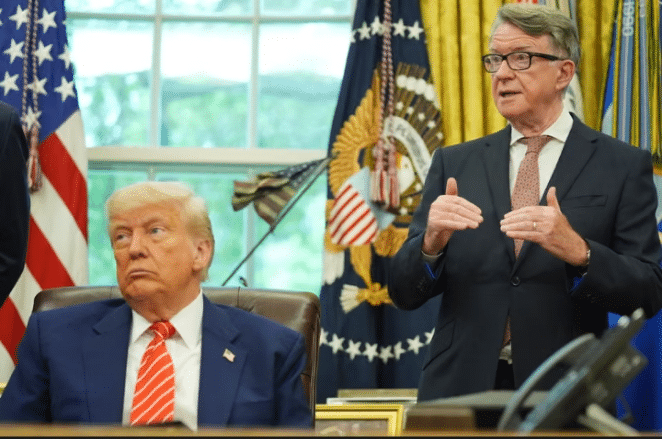
Former Prime Minister Keir Starmer faced criticism over Mandelson’s appointment, as the Cabinet Office report reportedly highlighted reputational risks, including prior relationships exemplified by Peter Mandelson emails Epstein.
While Mandelson’s Epstein ties were known at the time of his ambassadorial appointment, the September email tranche sparked a political crisis, showing that Peter Mandelson emails Epstein extended longer than previously reported.
The House oversight committee that released the documents emphasized the broader implications for government handling of sensitive relationships, illustrating why Peter Mandelson emails Epstein are significant in political accountability debates.
Observers argued the emails reveal an enduring network of influence that persists despite public scrutiny, raising concerns about the ethical responsibilities of officials maintaining private contacts like Peter Mandelson emails Epstein.
Mandelson’s own words in the emails suggest a willingness to sustain cordial relations, with Epstein joking about “having a great deal of fun,” demonstrating the casual tone that Peter Mandelson emails Epstein often took.
Critics have stressed that such familiarity between a political figure and a convicted financier erodes public trust, reinforcing the need for rigorous vetting and ethical guidelines in government appointments.
A senior official commented, “Even if no laws were broken, the optics are damaging,” emphasizing why Peter Mandelson emails Epstein have drawn attention from both journalists and lawmakers.
Analysts highlighted the human tendency to maintain old friendships, but in public office, Peter Mandelson emails Epstein show that such connections can carry serious reputational risks if left unchecked.
The UK foreign office minister, Stephen Doughty, told Parliament that Mandelson had not fully disclosed the extent of his Epstein association, which only heightened concern about the continued correspondence shown in Peter Mandelson emails Epstein.
Questions have been raised about how much Starmer knew before approving Mandelson, given that reports documented risks, including prior contact evidenced in Peter Mandelson emails Epstein, and possible implications for political decision-making.
Mandelson’s emails blend personal anecdotes and political observations, a combination illustrating the blurred line between private relationships and official duties highlighted in Peter Mandelson emails Epstein.
Observers noted the continued release of these emails could reshape public perception, confirming that Peter Mandelson emails Epstein extended further than previously acknowledged, creating additional reputational consequences.
Legal experts point out that while the emails do not suggest illegal behavior, the ongoing association underscores the importance of ethics and accountability in political appointments reflected in Peter Mandelson emails Epstein.
Former embassy staff described Mandelson’s regret, yet the documents reveal a complicated narrative where Peter Mandelson emails Epstein illustrate prolonged engagement, challenging earlier claims of full disassociation from the financier.
Parliamentary discussions have focused on what Starmer knew and how oversight failures allowed Peter Mandelson emails Epstein to continue, highlighting systemic weaknesses in vetting for diplomatic roles.
Journalists covering the story observe the emails shed light on Epstein’s wider network, with Peter Mandelson emails Epstein revealing intersections between political figures, personal relationships, and international influence.
Mandelson’s correspondence blends camaraderie with political insight, raising questions about whether public interests were fully safeguarded when Peter Mandelson emails Epstein reveal private and professional overlap.
Labour Party officials face scrutiny as internal communications reportedly could have forewarned leadership about potential risks, making Peter Mandelson emails Epstein central to ongoing accountability debates.
Analysts stress the story underscores the lasting impact of past associations, showing that Peter Mandelson emails Epstein cannot be overlooked when assessing character and suitability for high office.
The documents confirm Peter Mandelson emails Epstein represent more than casual contact, providing a case study in ethical oversight, political accountability, and public trust, drawing lessons for future diplomatic appointments.
Political observers note that the emails’ tone and content illustrate the challenges of separating private networks from official roles, reinforcing why Peter Mandelson emails Epstein remain a key focus of scrutiny.
These revelations have reignited discussion about transparency in government appointments, showing how Peter Mandelson emails Epstein exemplify the need for clear ethical standards in public service.
Mandelson’s own reflections suggest personal regret, yet Peter Mandelson emails demonstrate a continuing engagement with Epstein, complicating narratives around disassociation and raising further ethical concerns.
The ongoing investigation by oversight committees continues to draw attention, showing that Peter Mandelson emails Epstein are more than historical curiosities—they have implications for current political accountability.
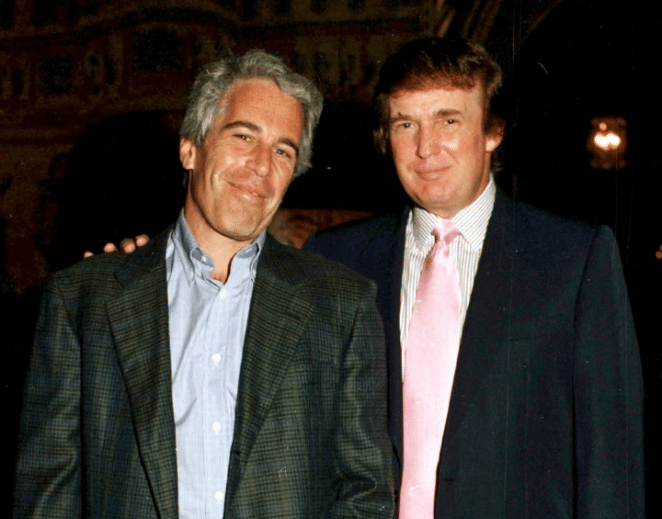
Observers warn that failure to address the lessons from Peter Mandelson emails could erode public confidence, emphasizing why ethics and transparency must be prioritized in leadership decisions.
The release of these documents demonstrates that Peter Mandelson emails Epstein were extensive, extending into 2016, offering a lens through which to evaluate political relationships, transparency, and responsibility.
About The Author