

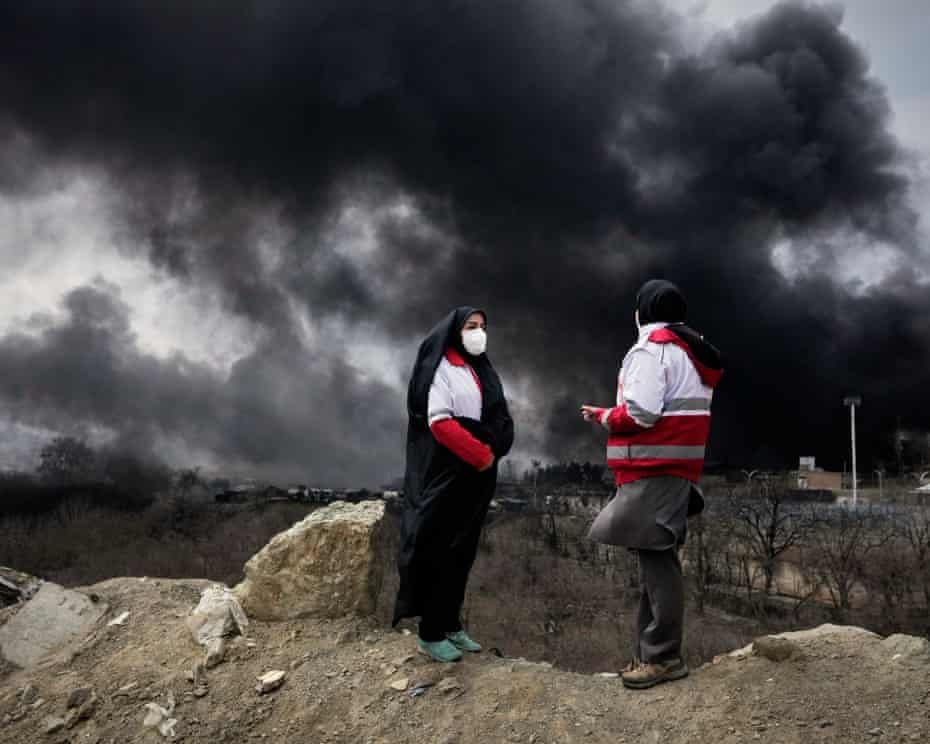
Iran attacks oil tanker near Dubai after a fully loaded crude vessel was set ablaze off the coast, with authorities later confirming emergency teams contained the fire without oil spillage or injuries.
Officials said rapid response units acted quickly to control the blaze, preventing what could have become a major environmental disaster in one of the world’s most critical oil transit corridors.
The incident occurred near Dubai’s busy maritime routes, raising immediate concerns among shipping operators and energy markets over the safety of vessels navigating the strategic waters.
Authorities emphasized that while the tanker suffered fire damage, containment efforts ensured no crude oil leaked into surrounding waters, avoiding wider ecological and economic consequences.
The Strait of Hormuz remains one of the most vital chokepoints in global energy supply, with a significant portion of the world’s oil shipments passing through the narrow waterway daily.
Meanwhile, the Israeli military confirmed that four soldiers had been killed during combat operations in southern Lebanon amid clashes with Hezbollah forces.
The deaths occurred during a confrontation involving Israeli troops and Hezbollah fighters, with additional soldiers reported wounded during the same engagement in the border region.
The development marks another deadly chapter in ongoing hostilities along the Israel-Lebanon frontier, where tensions have remained high amid continued exchanges between both sides.
In a separate development, two large Chinese container ships successfully transited the Strait of Hormuz after initially turning back days earlier due to security concerns.
Shipping data indicated that the vessels made a second attempt to exit the Gulf, signaling a possible easing of restrictions following diplomatic engagement between China and Iran.
Reports suggest that Iran has expanded its list of approved nations allowed to safely navigate the strait, a move seen as an effort to maintain some level of maritime stability.
Elsewhere, Indonesia called for urgent international action following the killing of three of its United Nations peacekeepers in southern Lebanon.
Indonesia’s foreign minister urged the United Nations Security Council to convene an emergency meeting and launch a full investigation into what was described as a heinous attack.
The deaths of the peacekeepers have intensified international concern over the safety of UN personnel operating in conflict zones within the region.
In Iran’s capital, Tehran, explosions were reported alongside widespread power outages affecting several parts of the city.
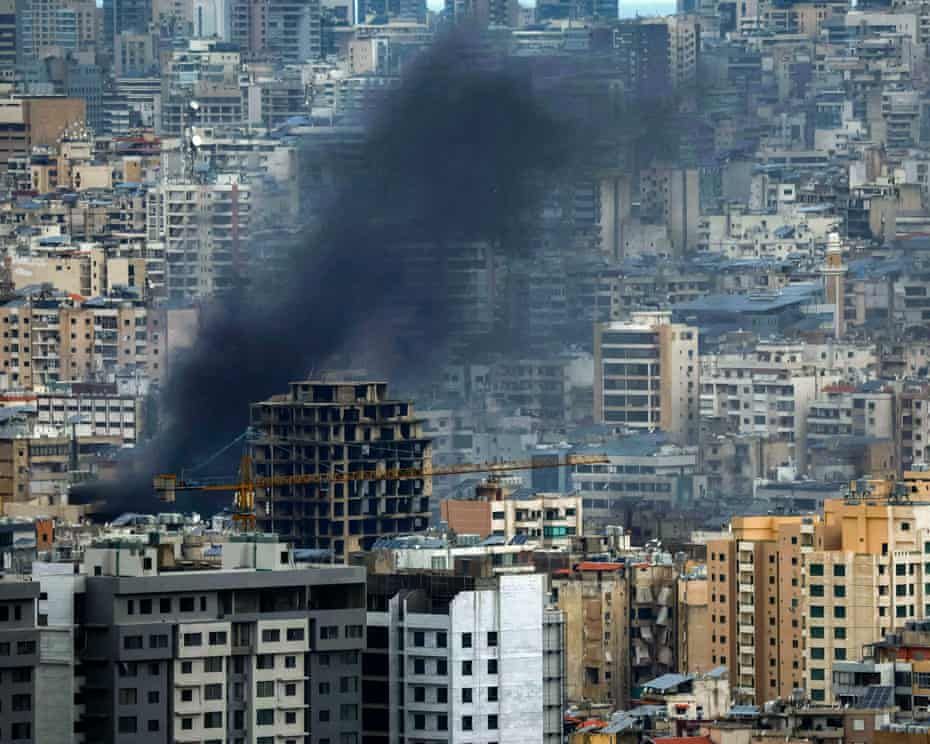
Iranian media indicated that the disruptions followed Israeli missile strikes targeting military-related infrastructure and sites allegedly linked to Hezbollah operations.
The strikes reportedly hit key facilities in Tehran as well as locations in Beirut, reflecting a widening scope of military activity across multiple fronts.
Japan also responded to the unfolding situation, with Prime Minister Sanae Takaichi announcing increased coordination with Indonesia on energy security measures.
The agreement aims to strengthen cooperation in safeguarding energy supplies, particularly as instability threatens critical oil routes in the Middle East.
Both countries are heavily reliant on imported energy resources, making them especially sensitive to disruptions in supply chains linked to regional conflicts.
Meanwhile, Israeli media reported that two Iranian missiles were launched toward central Israel, though emergency services confirmed no immediate reports of casualties.
The missile launches added to a series of military exchanges that have kept populations on high alert across affected regions.
In another alarming development, Turkey confirmed that a ballistic missile launched from Iran entered its airspace before being intercepted by NATO defense systems.
Turkish authorities said the missile was successfully shot down, preventing potential damage or casualties within its territory.
The interception underscores the broader regional implications of the conflict, with neighboring countries increasingly affected by the trajectory of military actions.
These multiple incidents highlight a rapidly evolving situation involving several countries, military forces, and strategic assets across the Middle East and beyond.
Maritime security, energy supply stability, and civilian safety have all come under pressure as events continue to unfold across different locations.
Governments and international bodies are now closely monitoring developments, particularly in critical areas such as the Strait of Hormuz and southern Lebanon.
The combination of naval incidents, missile exchanges, and ground combat suggests a complex and multi-layered conflict environment.
Each development carries potential consequences not only for the countries directly involved but also for global economic and security systems.
Shipping companies are likely to reassess risk levels in the region, potentially leading to higher insurance costs and changes in maritime routes.
Energy markets may also react to the uncertainty, especially given the strategic importance of the Gulf region in global oil distribution.
For countries dependent on Middle Eastern oil, maintaining uninterrupted access remains a top priority amid growing concerns over supply disruptions.
The involvement of major global players, including the United States, China, and regional powers, adds further complexity to the situation.
Diplomatic efforts are expected to intensify as nations seek to prevent further incidents and protect critical infrastructure and personnel.
At the same time, military readiness remains high across several countries as they prepare for potential escalation or retaliation.
The situation continues to develop, with each new incident adding layers of urgency and significance to an already volatile environment.
Authorities across affected regions are urging caution while emphasizing preparedness in the face of ongoing uncertainties.
As Iran attacks oil tanker near Dubai and related events unfold, the focus remains on immediate responses and preventing further disruptions.
Read also:Labour softens immigration reforms following MP criticism
The coming days are expected to be crucial in determining how the situation evolves and whether stability can be restored across key areas.
For now, the series of incidents paints a picture of a region under strain, with significant implications for international security and economic stability.
About The Author

That’s a solid point about bankroll management – crucial for any wagering, honestly! Seeing platforms like bigbunny game app download integrate GCash makes things so much easier for Filipino players. Smart move on their part to focus on local needs!