

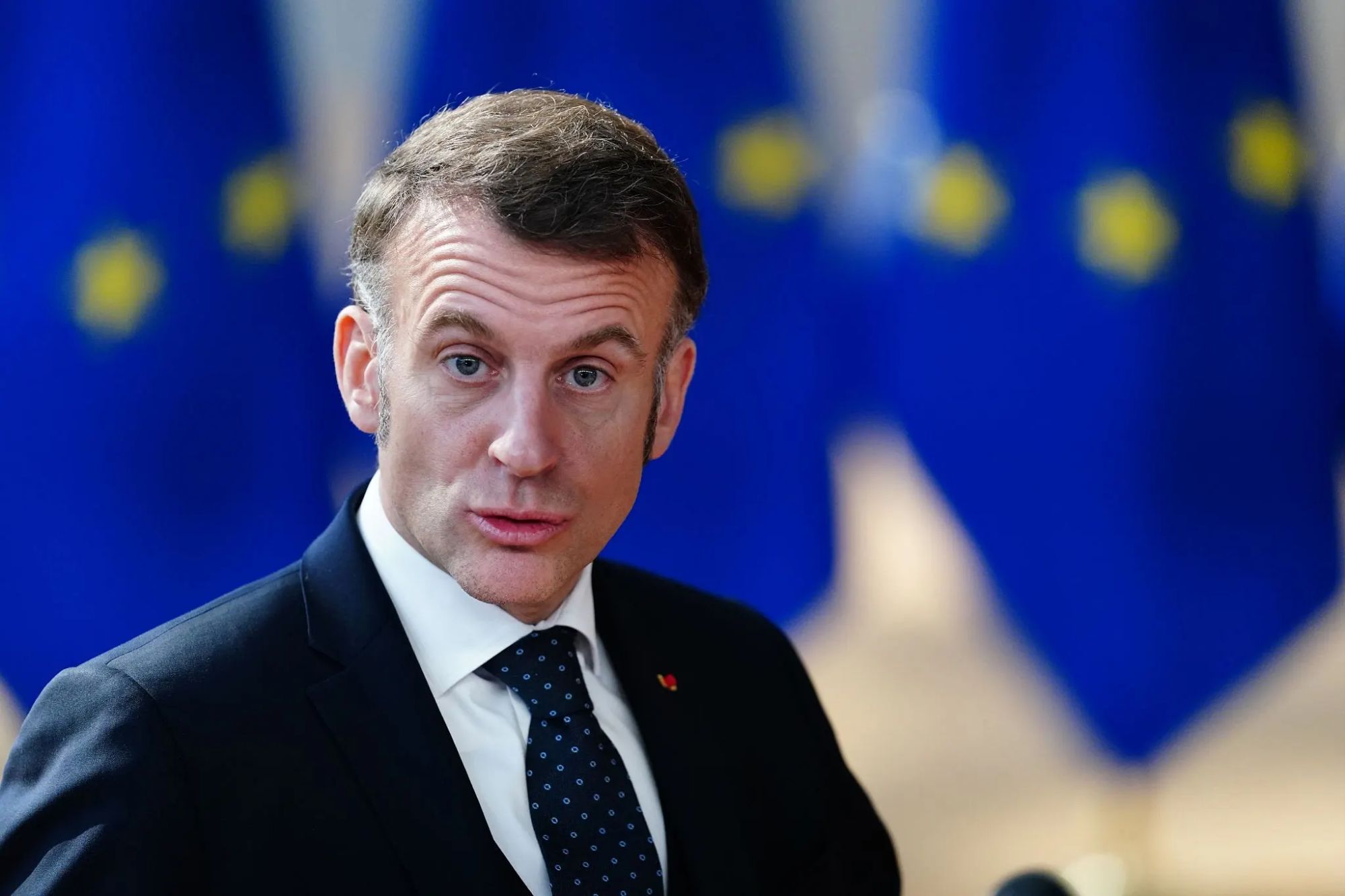
Macron visits Japan– French President Emmanuel Macron arrived in Tokyo as visit to Japan dominated by Iran war talks, shifting focus from planned cooperation on nuclear energy and space innovation partnerships between both nations.
The visit, initially designed to deepen bilateral collaboration, has been overshadowed by escalating tensions in the Middle East, forcing both countries to prioritize urgent geopolitical and economic concerns during high-level discussions.
Macron is scheduled to meet Japanese Prime Minister Sanae Takaichi, with both leaders expected to focus heavily on the implications of the ongoing Iran-related conflict and its global consequences.
According to officials from the Élysée Palace, the crisis in the Middle East will dominate the agenda, as both leaders explore coordinated responses to the rapidly evolving and volatile regional situation.
The leaders are expected to exchange views on diplomatic strategies aimed at reducing tensions while also considering practical measures to mitigate the broader global impact of the conflict.
Japan’s heavy reliance on Middle Eastern oil supplies has made it particularly vulnerable, with approximately ninety-five percent of its crude imports sourced from the region currently experiencing instability.
In response to rising fuel costs triggered by the conflict, Japan has already begun tapping into its strategic petroleum reserves to stabilize domestic energy prices and protect its economy.

The situation has raised alarms among policymakers, who fear that prolonged disruptions could significantly affect industrial output, transportation systems, and overall economic growth in energy-dependent nations.
France, while less dependent on Middle Eastern oil, remains deeply concerned about the broader implications for global markets and the potential for escalating geopolitical tensions.
As a key player in international diplomacy, France is expected to advocate for coordinated global efforts aimed at de-escalating the conflict and ensuring the stability of critical supply chains.
The talks between Macron and Takaichi are also expected to include discussions on strengthening energy security through diversification and increased investment in alternative energy sources.
Both nations have shown interest in expanding cooperation in nuclear energy, which is seen as a reliable and low-carbon alternative to fossil fuels in the face of supply uncertainties.
In addition to energy concerns, the leaders are likely to address the economic ripple effects of the conflict, including inflationary pressures and disruptions to global trade networks.
The Group of Seven, which includes both France and Japan, has already signaled its readiness to intervene if necessary to stabilize the global energy market amid ongoing uncertainty.
Finance ministers from G7 countries recently emphasized their commitment to taking all necessary measures to prevent severe economic fallout resulting from the conflict.
These measures may include coordinated releases of strategic reserves, financial interventions, and policy adjustments designed to cushion the impact on vulnerable economies.
The urgency of these discussions underscores the interconnected nature of global energy markets and the far-reaching consequences of regional conflicts on international stability.
Japan’s position as a major industrial economy makes it particularly sensitive to fluctuations in energy prices, which can quickly translate into higher production costs and consumer prices.
For France, the crisis presents an opportunity to reinforce its role as a diplomatic bridge-builder, leveraging its influence to promote dialogue and conflict resolution.
Macron has consistently advocated for multilateral approaches to global challenges, emphasizing the importance of cooperation among major powers in addressing shared risks.
The meeting in Tokyo is expected to reaffirm this approach, with both leaders seeking common ground on how best to navigate the current crisis.
Beyond immediate concerns, the visit also highlights the importance of long-term strategic partnerships between Europe and Asia in maintaining global stability.
France and Japan have increasingly aligned their policies on issues such as security, trade, and technological innovation, reflecting a shared commitment to rules-based international order.
The current crisis adds a new dimension to this partnership, requiring both nations to adapt their strategies to address emerging threats and uncertainties.
Analysts note that the outcome of the talks could influence broader international efforts to manage the conflict and prevent further escalation in the Middle East.
There is also growing recognition of the need for enhanced coordination among allies to address the complex challenges posed by energy security and geopolitical instability.
The discussions are expected to include potential avenues for diplomatic engagement with key stakeholders involved in the conflict, although specific details remain undisclosed.
Both leaders are likely to stress the importance of maintaining open communication channels and avoiding actions that could exacerbate tensions in the region.
Read also: JD Vance aliens are demons claim raises questions about UFO sightings, US government files
The role of international organizations may also feature in the talks, particularly in facilitating dialogue and supporting humanitarian efforts where needed.
Humanitarian concerns are becoming increasingly prominent, as conflicts in the Middle East often result in significant civilian suffering and displacement.
While the primary focus remains on energy and security, the leaders are expected to acknowledge the broader human impact of the crisis.
Efforts to provide humanitarian assistance and support for affected populations may form part of the broader international response discussed during the meeting.
The visit also comes at a time when global attention is increasingly focused on the balance between economic growth and security considerations.
For Japan, ensuring a stable energy supply is critical not only for economic reasons but also for maintaining social stability and public confidence.
France, meanwhile, continues to promote a diversified energy strategy that reduces dependence on volatile regions while supporting sustainable development goals.
The convergence of these priorities is expected to shape the tone and direction of the discussions between Macron and Takaichi.
Observers will be watching closely for any joint statements or policy announcements that emerge from the meeting, as these could signal the next steps in international efforts to address the crisis.
The talks may also set the stage for further collaboration within the G7 framework, particularly in coordinating responses to global economic challenges.
As Macron continues his visit, additional meetings with business leaders and policymakers are expected, further emphasizing the importance of international cooperation.
Despite the original focus on innovation and technological partnerships, the urgency of the current crisis has reshaped the agenda in significant ways.
This shift reflects the unpredictable nature of global politics, where planned initiatives can quickly be overtaken by emerging events and crises.
For both France and Japan, the ability to adapt to these changes is essential in maintaining effective governance and international engagement.
The outcome of the talks will likely have implications not only for bilateral relations but also for the broader international community.
As visit to Japan dominated by Iran war talks continues to shape discussions, the emphasis remains on finding practical solutions to complex and evolving challenges.
The visit underscores the importance of diplomacy in addressing global crises and highlights the critical role of leadership in navigating uncertain times.
Ultimately, the discussions aim to balance immediate responses with long-term strategies, ensuring resilience in the face of ongoing geopolitical and economic pressures.
With the world closely watching, the meeting between Macron and Takaichi represents a key moment in the international response to the Middle East conflict.
The decisions and commitments made during this visit could help shape the trajectory of global efforts to maintain stability and prevent further escalation.