Indian student suicides rise amid exam leaks, cancellations and resits, families say. The education crisis pushed students into protests last month. The pressure led to the education minister’s resignation in July.
The number of student suicides jumped from 8,068 in 2014 to 14,488 in 2024. That is an 80% increase, according to the National Crime Records Bureau. Failure in exams is now the second leading cause.
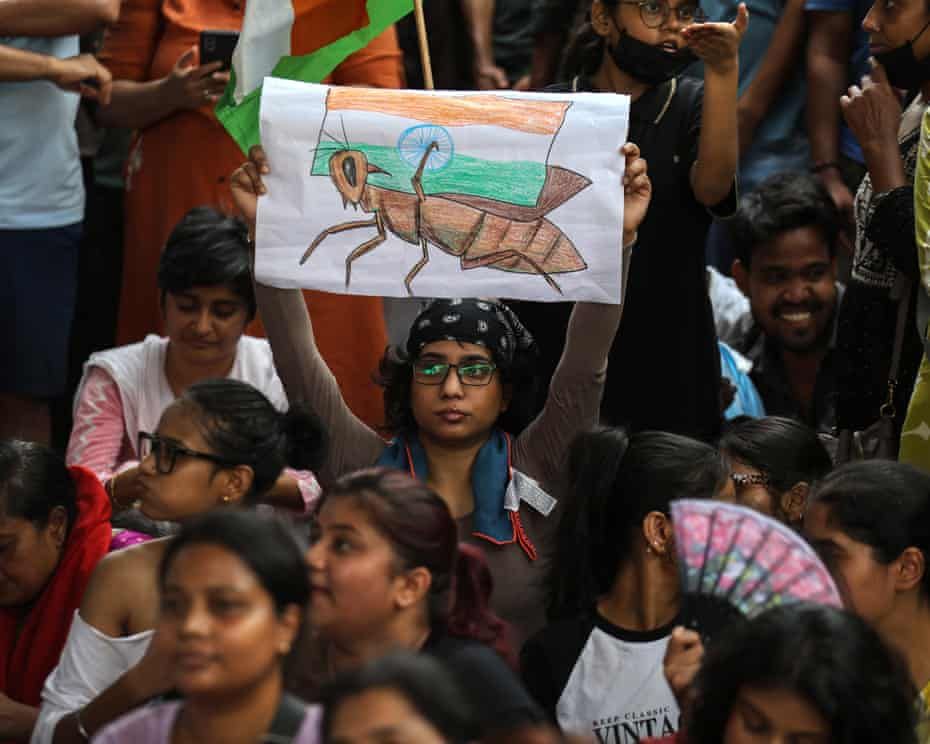
Protests erupted nationwide in late July. The Cockroach Janta party led demonstrations. Students held cockroach drawings on Indian flags. They demanded accountability for repeated Neet and Jee paper leaks.
The government announced the education minister’s resignation. Celebrations followed in Delhi, Rajasthan and Tamil Nadu. Families who lost children watched with mixed feelings of relief and anger.
“Why did it take so long?” many asked. For years they warned about coaching costs, syllabus changes and mismanagement. Their warnings were ignored until streets filled and media coverage exploded.
Anshika Pandey, 20, from Delhi, was preparing for her third Neet attempt. She studied 12 hours daily and worked part-time. After the May 3 exam, she felt hopeful about finally entering medical college.
On May 12 the National Testing Agency confirmed a leak. A resit was ordered. Her father Indradhar Pandey said she was “deeply hurt.” Two days later she hanged herself while family was at work.
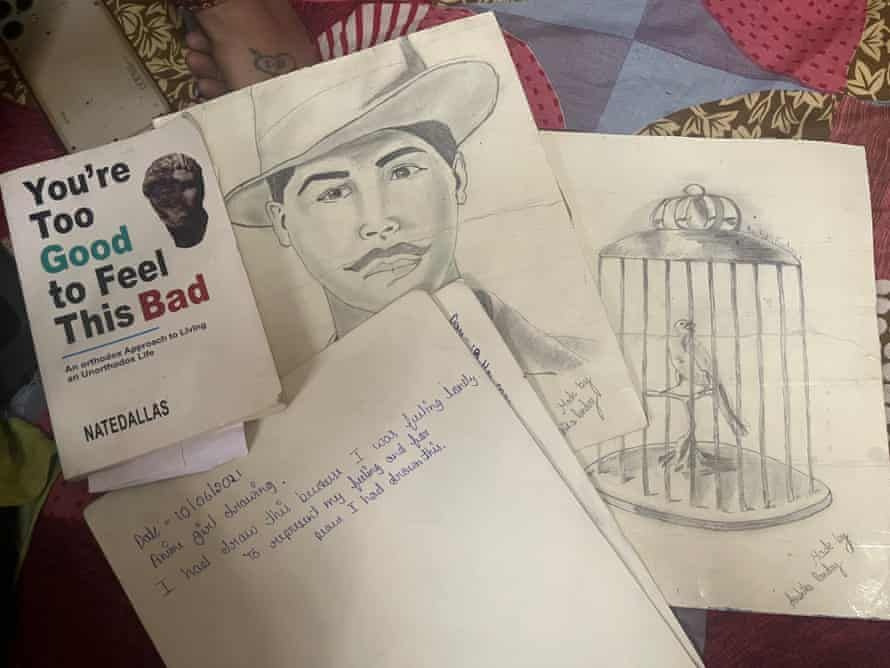
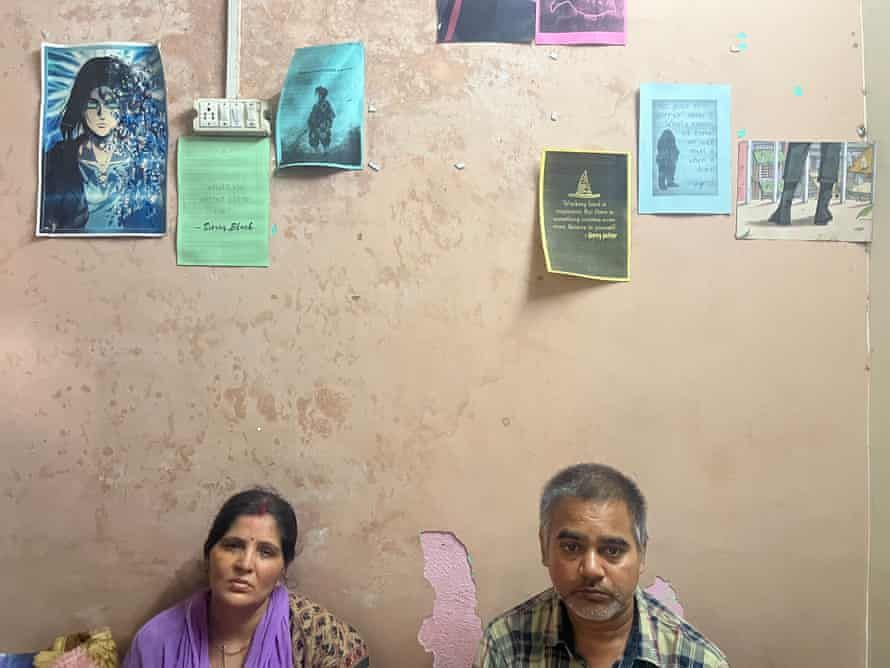
Her wall still holds sketches and mantras. Her twin sister Pragati now studies to fulfill Anshika’s dream. “She wanted to move us out of the slum and help poor patients,” Pragati said.
Sufi Shaheen, 19, also in Delhi, dreamed of software engineering. She taught herself Japanese and Korean. She feared the new Jee syllabus. On October 25, 2024, she jumped from a tutoring center.
Her mother Sultana Khatoon is treated for depression. “She was my friend,” Khatoon said, flipping through school photos. Shaheen left a note asking her brother Masoom to achieve their shared dreams.
Masoom later ranked 188th nationally in CUET. The family had no one to celebrate with. Khatoon keeps Shaheen’s drawings on the wall, a reminder of talent lost to pressure.
Pradeep Kumar Mahich, 22, from Rajasthan, was on his fourth Neet attempt. His father Rajesh sold farmland and took an 11 lakh rupee loan. Coaching in Sikar cost £4,000 a year.
After the May 3 exam Pradeep told his father, “Even God will not stop me this year.” When the leak was announced, he broke down. On May 15 he hanged himself while his sister showered.
“She has stopped studying and come home,” Kumar said. He watched July protests on TV. He is glad the minister resigned but wants a full investigation to prevent other families’ suffering.
S Anitha, 17, from Tamil Nadu, belonged to a Dalit family. Her mother died when she was seven. She scored 100 in physics and chemistry. She aimed to be a doctor despite financial hardship.
Tamil Nadu’s syllabus differed from Neet. In 2017 the Supreme Court ruled admissions must use Neet only. Anitha could not meet the cutoff. On September 1, 2017, she hanged herself.
Her death sparked statewide protests. Her brother Manirathinam now runs a free library in her name. He joined last month’s Delhi protests and demands state-run exams instead of costly central tests.
“Exam paper leaks India” have become routine. Neet was leaked in 2024 and again in 2025. Jee syllabus changes arrived without warning. Students spend years and lakhs preparing for tests that may be canceled.
Coaching hubs like Sikar profit enormously. Poor families take loans they cannot repay. When exams are scrapped, years of work vanish. Mental health support in schools is almost nonexistent.
The National Crime Records Bureau links most student suicides to family problems first, then exam failure. Activists argue the data hides systemic causes. Pressure, debt and stigma combine to deadly effect.
“Education system mismanagement” is the phrase families repeat. They cite last-minute rule changes, unfair cutoffs, and lack of grievance redressal. The NTA has promised reforms but trust is broken.
Read also: Iran deal Strait of Hormuz nears but Tehran says US must meet conditions first
The Cockroach Janta protests used dark humor. Students said they felt like pests to the system. The imagery went viral. It forced middle-class parents to pay attention to a crisis they had normalized.
In Tamil Nadu, the issue is federalism. The state opposed Neet for years. It was exempted in 2016 but not 2017. Anitha’s case became a symbol of how centralization hurts regional students.
Doctors and engineers say the entrance system needs overhaul. They propose multiple attempts, transparent question banks, and state-level options. They also call for mental health counselors in every coaching center.
The government says it will digitize exams and increase security. Critics note the same promises were made after the 2024 leak. Without independent oversight, leaks will continue, they argue.
Families want more than resignations. They want compensation, free counseling, and a ban on commercial coaching until regulations exist. They also want the NTA made accountable to Parliament.
International education experts note India’s competition is extreme. Over 2 million students sit Neet yearly for 100,000 medical seats. The ratio creates desperation that bad governance amplifies.
“Neet resit protests” may have forced political change. But students say one minister’s exit is not enough. They want structural reform before the next exam cycle begins in 2027.
Back in Delhi, Anshika’s posters still say “You can do it.” Her father now drives passengers past the NTA office. He tells them his daughter’s story. He hopes someone listens.
In Sikar, Pradeep’s room is empty. His sister Babita keeps his birthday photo on the desk. The loan remains unpaid. The farm is smaller.
In Chennai, Anitha’s library has 200 students. They study under her photo. Manirathinam teaches them for free. He says it is the only way to honor her.
The Guardian spoke to counselors who say demand has tripled since July. Helplines are overwhelmed. Schools are finally adding wellness periods, but too late for many.
Until the system changes, families fear more names will be added to the statistics. 14,488 in 2024. They ask how high it must go before real reform happens.
For now, protests continue in smaller cities. Students carry drawings and demands. They want exams that are fair, transparent, and do not cost lives.
About The Author