Spain checks 200 Italy arrivals at six major airports on the first day of reintroduced border controls. The measures began Saturday at midnight and will run until September 7.
The Interior Ministry said 199 people were checked on 12 flights. Airports included Madrid, Barcelona, Seville, Bilbao, Alicante and Valencia. Police verified documents of travelers arriving from Italy.
Spain acted after Rome suspended Schengen rules with Madrid. Italy’s suspension started August 1 and will last at least until August 15. Both countries cited irregular migration as the reason.
The dispute escalated after 72,000 people crossed into Spain’s North African enclave of Ceuta on July 30. Madrid called it a mass migration rush. Rome said it needed to protect its own borders.
“Schengen border controls 2026” are rare but allowed under EU law. Member states can temporarily reintroduce checks for security or public order. The Schengen Area normally covers 29 European countries.
Italy’s Foreign Minister Antonio Tajani spoke to Corriere della Sera. He said Rome hopes to lift the suspension soon. The measure targets non-EU nationals arriving from Spain by air or sea.
Tajani stressed EU and Spanish citizens are not affected. Checks focus on third-country nationals. Italy argues the Ceuta influx showed Spain could not manage external EU borders alone.
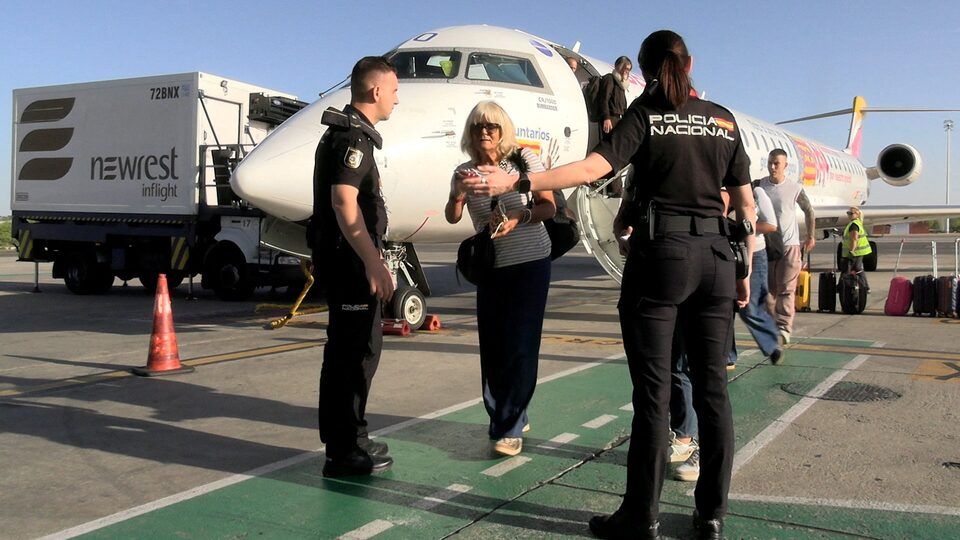
Spain disagreed. Officials said Italy’s move was disproportionate. They responded with reciprocal checks on flights and ships from Italy. The goal is to verify identities and migration status.
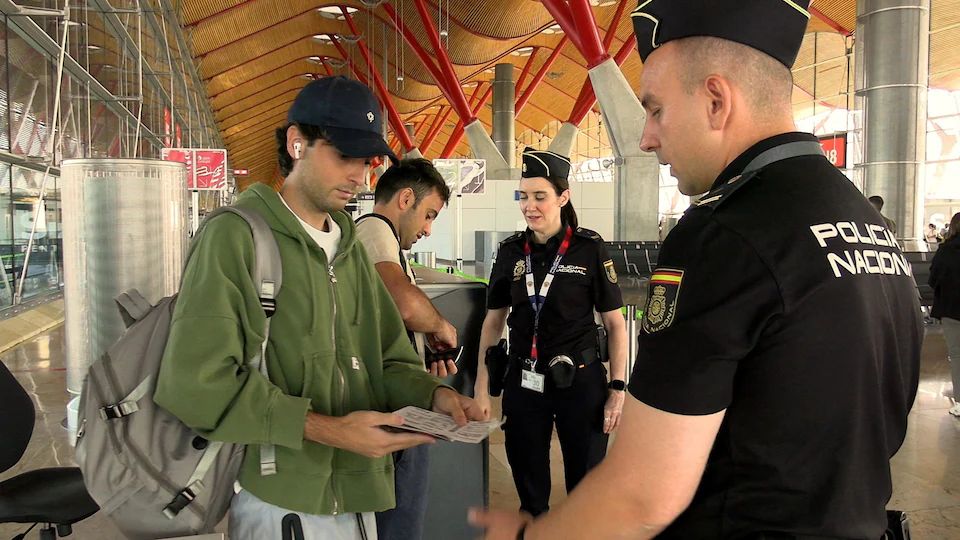
Photos from Madrid-Barajas showed national police reviewing passports. Officers asked about travel purpose and final destination. Most travelers passed through with minimal delay.
The Interior Ministry released figures late Saturday. Twelve flights were screened. No mass detentions were reported. Authorities said the operation was about deterrence and data collection.
“Spain Italy migration dispute” reflects wider EU tensions. Southern states bear pressure from Mediterranean crossings. Northern states demand stricter controls. Brussels has struggled to find a common asylum policy.
Ceuta and Melilla are EU territory in Africa. They are frequent entry points. On July 30, groups overwhelmed fencing and border posts. Spanish authorities processed thousands in 48 hours.
Human rights groups criticized both governments. They said border checks punish migrants, not smugglers. They urged more legal pathways and better coordination with Morocco.
The European Commission said it is monitoring the situation. A spokesperson called for dialogue. The Commission reminded both states that Schengen suspensions must be proportionate and time-limited.
Tourism operators expressed concern. August is peak season. Italy is a top destination for Spanish travelers and vice versa. Airlines added extra staff to handle document checks.
Passengers reported mixed experiences. An Italian student in Barcelona said the check took five minutes. A Moroccan resident in Madrid said he was questioned for 20 minutes about his visa.
Shipping is also affected. Spain announced controls for ferries from Italian ports. Freight companies warned of delays. Perishable goods could face longer customs processing.
“Ceuta migration rush” was the trigger. Moroccan authorities said they stopped thousands more before they reached the fence. Spain requested EU funding for border infrastructure.
Italy argues it is also under pressure. Arrivals in Lampedusa and Sicily remain high. Rome says Spain’s handling of Ceuta encouraged more attempts to reach Europe via North Africa.
Diplomats are talking behind the scenes. Both governments want the dispute resolved before September. They fear prolonged checks will damage trade and public support for Schengen.
Schengen has been suspended before. France did it after terror attacks. Austria and Germany did it during the 2015 refugee crisis. Most suspensions lasted weeks, not months.
Legal experts note the rules require notification to Brussels. Both Spain and Italy filed paperwork. The Commission can challenge if it finds the measures violate EU treaties.
Public opinion is split. In Spain, voters support protecting Ceuta. In Italy, voters support protecting borders. Both governments face elections next year and want to appear tough.
Airlines have not canceled routes. But they warned passengers to arrive earlier. Ryanair and Iberia posted alerts about possible delays at Madrid and Rome.
The Interior Ministry said checks will be random but targeted. Priority is on flights from southern Italy. Authorities will share data with Europol to track smuggling networks.
Migrants’ rights NGOs set up help desks at airports. They provide legal advice to those detained. They also document any alleged mistreatment during screening.
By Sunday morning, traffic appeared normal. Flight schedules were not disrupted. The real test will come next weekend when travel volumes peak.
“EU border controls” are meant to be temporary. Tajani said Italy could end them by August 15 if Spain improves Ceuta security. Spain said it will review after September 7.
Read also: Indian student suicides rise as exam leaks and resits fuel education crisis
Brussels wants a deal before then. Officials fear a tit-for-tat could spread. Other states might copy the measure, eroding Schengen’s core principle of free movement.
For now, travelers adapt. Signs in four languages explain the checks. Police wear body cameras. The government says transparency will prevent abuse.
The dispute shows how migration still divides Europe. Twenty years after Schengen, borders return when politics demand it. The challenge is keeping them temporary.
Spain and Italy insist they remain partners. But for 199 people on Saturday, that partnership meant extra questions at the gate.
About The Author