

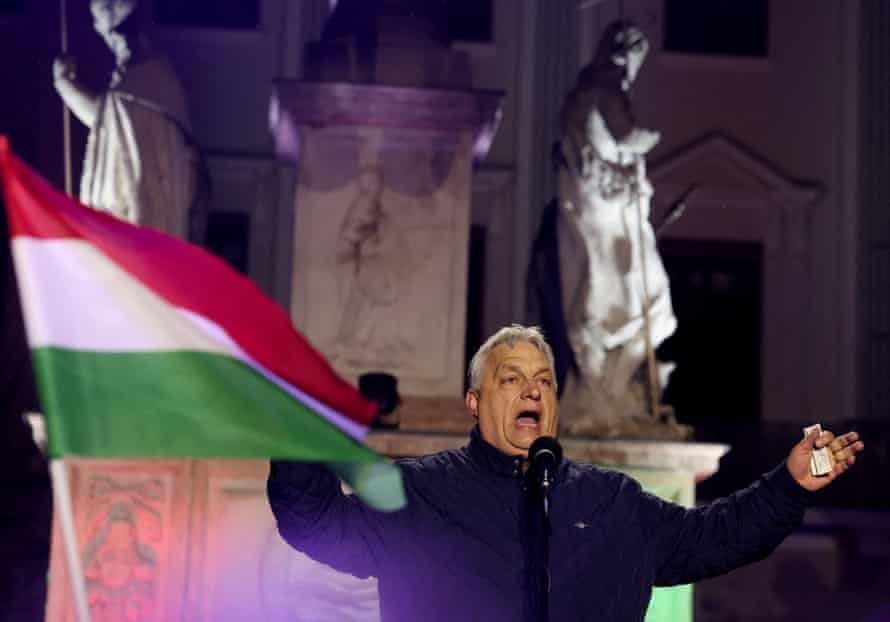
EU governments dismantle rule of law watchdog warns over democratic decline, as a major report finds several member states deliberately weakening justice systems, media freedom, and institutional checks across Europe.
The findings were published by the Civil Liberties Union for Europe, which analysed evidence from more than forty organisations across multiple countries within the European Union framework.
According to the report, five governments are actively undermining democratic systems through policies that weaken judicial independence and reduce accountability in governance structures over time.
The countries identified include Bulgaria, Croatia, Hungary, Italy, and Slovakia, all described as consistently pursuing actions that erode the rule of law and democratic safeguards.
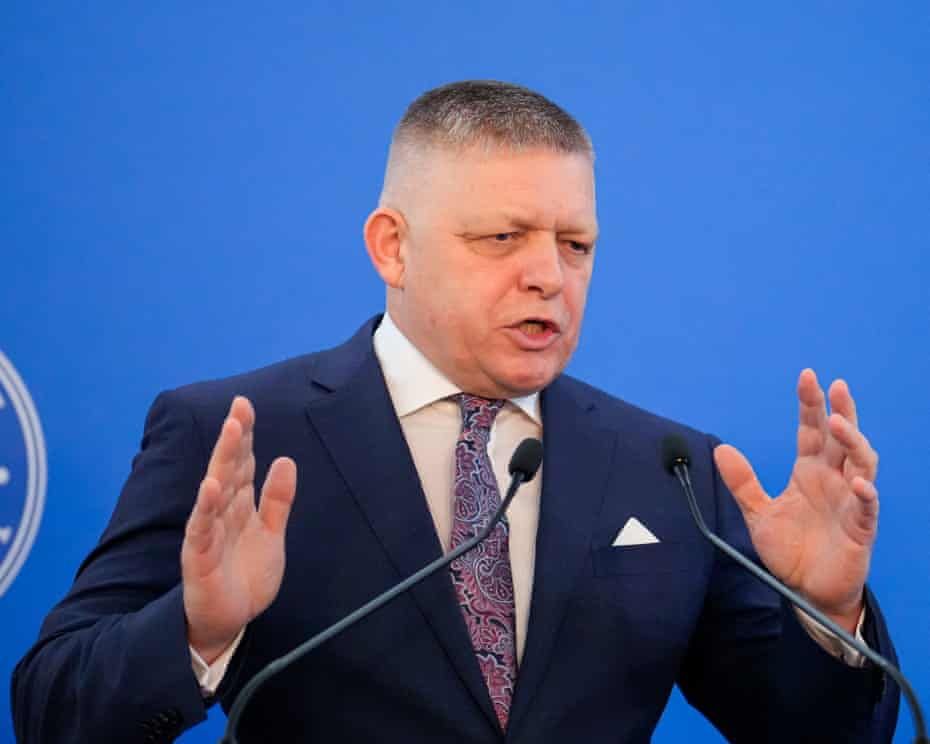
In Slovakia, concerns were raised about policies under Prime Minister Robert Fico, with critics pointing to growing political influence over judicial processes and weakening institutional protections.
Hungary was described as the most severe case, where Prime Minister Viktor Orbán has overseen long-term changes critics say have significantly reshaped democratic institutions and governance structures.
Observers noted that Hungary continues to pursue increasingly restrictive policies, with little indication of reversing reforms that have raised concerns among international watchdog organisations.
Bulgaria and Croatia were also highlighted for declining standards, particularly in areas such as anti-corruption enforcement, media independence, and effective legal accountability mechanisms.
Italy faced criticism for adopting restrictive security measures that limit protests and dissent, raising concerns about the balance between public order and civil liberties protections.
Beyond these five countries, the report identified broader democratic decline across Europe, including nations historically considered strong and stable democratic systems.
Countries such as Belgium, Denmark, France, Germany, and Sweden were classified as experiencing gradual erosion in certain rule-of-law areas without a full systemic breakdown.
These countries were labelled as “sliders,” meaning democratic standards are weakening in specific areas even though institutions remain largely intact and functional.
Another group, including the Czech Republic, Estonia, Greece, Ireland, Lithuania, the Netherlands, Romania, and Spain, were described as stagnating in rule-of-law progress.
This classification indicates that while conditions are not significantly worsening, there is also little meaningful improvement in strengthening democratic safeguards and institutions.
Poland was also placed in this category, despite efforts by Prime Minister Donald Tusk to restore judicial independence following reforms introduced by previous administrations.
However, progress in Poland has been limited due to political obstacles, including presidential veto powers that have slowed or blocked key institutional reforms.
The report emphasised that restoring democratic institutions is often complex and fragile, especially when previous changes have deeply affected governance systems and legal structures.
Among all countries assessed, Latvia was the only state recognised for actively improving rule-of-law standards and implementing meaningful reforms in governance practices.
The report also raised serious concerns about the effectiveness of European Union mechanisms designed to address rule-of-law violations among member states.
Many recommendations issued by the European Commission have not been implemented, with repeated warnings failing to produce tangible or lasting changes in governance practices.
Data showed that a large proportion of recommendations remain unchanged over several years, indicating limited progress in addressing systemic democratic challenges across the region.
In many cases, governments have taken minimal action or ignored guidance entirely, raising questions about enforcement and accountability within the EU system.
The report also criticised EU institutions themselves, suggesting that they have not consistently defended fundamental rights or upheld democratic standards internally.
There were concerns about the increasing use of fast-track legislation, which can limit scrutiny and reduce transparency in lawmaking processes across member states.
Civil society organisations were found to be under increasing pressure, with restrictions affecting their ability to operate, advocate, and hold governments accountable effectively.
In several countries, participation in protests has been restricted or penalised, raising concerns about shrinking civic space and reduced democratic engagement among citizens.
The report highlighted a growing trend of hostile rhetoric directed at judges and human rights institutions, contributing to declining trust in legal systems and governance structures.
Anti-corruption efforts were also found to be insufficient in many states, with limited progress in strengthening oversight and preventing misuse of public resources.
Media freedom remains a key concern, as journalists in several countries face increasing pressure, legal challenges, and threats while carrying out their professional duties.
The report documented rising incidents involving attacks on journalists, particularly in Bulgaria, Croatia, Italy, the Netherlands, and Slovakia, raising alarm among media advocates.
Experts warn that weakening media independence can significantly undermine democracy by reducing transparency and limiting access to reliable information for the public.
The overall findings suggest a gradual erosion of democratic standards rather than sudden collapse, making it more difficult for institutions to respond effectively.
Analysts argue that stronger enforcement mechanisms and sustained political commitment are needed to reverse these trends and restore confidence in democratic systems.
The report concludes that without decisive action, the rule of law across Europe may continue to weaken, affecting governance, economic stability, and public trust.
It calls on both EU institutions and member states to implement reforms, strengthen oversight, and ensure that democratic principles are upheld consistently across the region.
Ultimately, EU governments dismantle rule of law watchdog warns over democratic decline highlights growing concern about the future of governance and institutional integrity within Europe.
Read also: Russia uses spy satellites to photograph Diego Garcia for Iran, Zelensky claims
About The Author
