The collapse of the “ignorance, misunderstanding and obfuscation ended Iran nuclear talks” process reveals how fragile diplomacy became under an unconventional approach led by Donald Trump and his inner circle.
The negotiations, involving Iran and the United States, had reportedly reached significant progress before suddenly unraveling, raising urgent questions about whether diplomacy was ever genuinely prioritized over military escalation in the region.
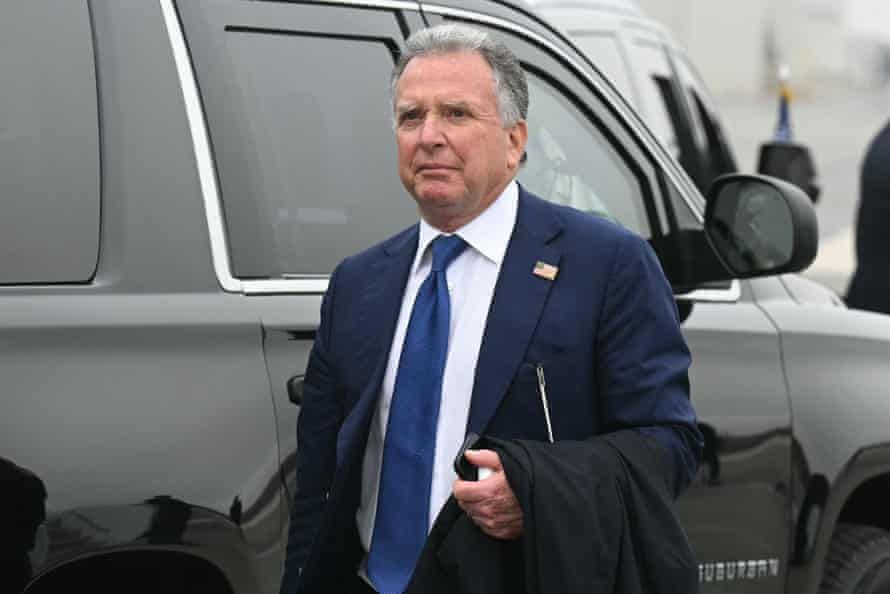
At the center of the controversy was envoy Steve Witkoff, whose unorthodox methods baffled seasoned diplomats and contributed to what insiders describe as a breakdown driven more by confusion than irreconcilable differences.
One striking example included an invitation extended to Iran’s foreign minister Abbas Araghchi to visit a US aircraft carrier, a move widely seen as diplomatically inappropriate and strategically tone-deaf.
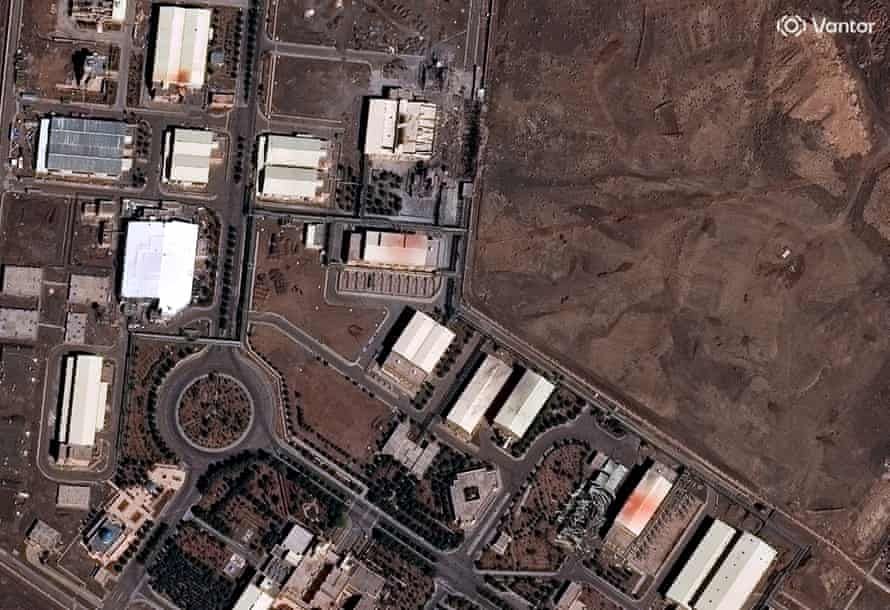
The talks, hosted in Oman, were meant to revive nuclear agreements but instead exposed deep gaps in understanding Iran’s nuclear infrastructure and negotiating expectations from both sides.
Critics argue that key US representatives lacked technical expertise, with limited preparation and minimal consultation with nuclear specialists, weakening their ability to respond effectively to Iran’s detailed proposals.
Unlike previous negotiations under Barack Obama, which involved large teams of experts, the Trump-era talks appeared understaffed and loosely coordinated, undermining credibility at critical moments.
Diplomatic sources described the process as chaotic, with inconsistent messaging and a lack of continuity, factors that contributed heavily to mistrust between the negotiating parties.
Iranian officials later claimed the talks were merely a “subterfuge,” suggesting the US used diplomacy as cover while preparing military operations in the background.
Witkoff, however, countered by accusing Iran of being “deceptive” and “full of subterfuge,” illustrating the mutual suspicion that ultimately poisoned the negotiation environment.
Despite these tensions, insiders confirm that substantial progress had been made on key issues, including uranium stockpile reductions and international monitoring frameworks.
The proposed deal reportedly included reinstating oversight by the International Atomic Energy Agency, a critical step toward transparency and global confidence.
Iran had also signaled willingness to reduce its enriched uranium stockpile, including material enriched to 60%, which had been a major sticking point in previous negotiations.
However, disagreements persisted over Iran’s insistence on maintaining its right to enrich uranium for civilian purposes, a demand the US viewed with suspicion.
One compromise proposal involved a temporary moratorium on enrichment activities, with Iran suggesting a three-to-five-year pause as a confidence-building measure.
This proposal was reportedly rejected after consultations with Trump, who pushed for a longer ten-year suspension, widening the gap between the two sides.
Negotiators had also reached tentative agreement on lifting approximately 80% of US sanctions, a significant concession that indicated both sides were nearing a breakthrough.
Observers believe that with more time and technical engagement, a final agreement could have been achieved, potentially avoiding the subsequent outbreak of conflict.
Instead, time constraints and competing diplomatic priorities limited meaningful dialogue, with sessions sometimes lasting only a few hours.
Complicating matters further, talks were conducted indirectly, slowing communication and increasing the likelihood of misunderstandings between delegations.
Regional diplomats expressed frustration, arguing that the lack of expertise and preparation on the US side undermined what could have been a historic agreement.
One diplomat described the situation as a failure of competence rather than intent, emphasizing that better-informed negotiators might have bridged the remaining gaps.
Iran also faced criticism for its role, particularly its refusal to publicly release its detailed proposal, which might have clarified its position to the international community.
Some analysts argue that Iran’s caution was justified, given concerns that sensitive details could be leaked or politicized, especially through platforms like Truth Social.
Security experts note that trust was already fragile, and transparency alone may not have been enough to salvage the talks under such strained conditions.
The breakdown highlights the importance of technical knowledge in nuclear negotiations, where small misunderstandings can have significant geopolitical consequences.
It also underscores the risks of politicizing complex diplomatic processes, particularly when key decisions are influenced by individuals lacking subject-matter expertise.
As tensions escalated, the failure of diplomacy quickly gave way to military action, confirming fears that the talks were on borrowed time.
The war that followed has intensified calls within Iran for pursuing nuclear capabilities, potentially reversing years of non-proliferation efforts.
Protesters in Tehran have already voiced opposition to renewed talks, signaling a hardening stance that could complicate future diplomatic initiatives.
Meanwhile, international observers warn that the collapse of these talks may have long-term consequences for global nuclear stability.
The episode also raises broader questions about the effectiveness of unconventional diplomacy and whether it can succeed in high-stakes geopolitical negotiations.
Critics argue that while innovation in diplomacy is valuable, it must be grounded in expertise, preparation, and respect for established protocols.
Supporters of the Trump approach, however, contend that traditional methods have often failed and that disruption can sometimes yield breakthroughs.
Yet in this case, the outcome suggests that disruption without structure may lead to confusion rather than progress.
The role of intermediaries like Oman proved crucial, but even their efforts were insufficient to bridge the widening divide.
Omani officials reportedly believed a deal was within reach and attempted last-minute interventions to prevent escalation.
Their failure highlights the limitations of mediation when primary actors are not fully aligned or committed to compromise.
Looking ahead, the prospects for renewed negotiations remain uncertain, with both sides entrenched in their positions and trust severely eroded.
Experts emphasize that rebuilding confidence will require not only political will but also a return to structured, expert-led diplomacy.
Read also: US-Israel war on Iran triggers shock resignation of top US counter-terrorism chief
The lessons from this collapse are clear: misunderstandings, lack of expertise, and inconsistent strategy can derail even the most promising negotiations.
Ultimately, the story of how “ignorance, misunderstanding and obfuscation ended Iran nuclear talks” serves as a cautionary tale for future diplomatic efforts.