
Hormuz deal hopes fade as Trump demands Iran reparations, creating a fresh obstacle to diplomatic efforts aimed at restoring commercial shipping through the strategic waterway after Washington and Tehran exchanged competing compensation demands.
Trump Makes New Demand On Iran
US President Donald Trump has responded to Iran’s conditions for reopening the Strait of Hormuz by demanding that Tehran compensate victims of conflicts, attacks and protests, adding another complication to already fragile negotiations.
Trump’s demand emerged after Iran called for compensation from the United States as part of conditions for reopening the strategic waterway.
The competing demands have widened the gap between Washington and Tehran at a time when both sides have been discussing possible arrangements through Oman.
The Iranian position includes an end to US sanctions and military threats, while Tehran has also sought compensation for damage it says resulted from American military action.
Trump, however, argued that Iran should also be responsible for damages and deaths linked to conflicts involving the country and its regional allies.
“We’re going to ask for money for the damage they’ve done over a 50-year period,” Trump said at the White House.
He added: “If there’s damages to be paid, I think Iran should pay those damages.”
The exchange has raised fresh doubts about whether an agreement can be reached quickly enough to restore normal maritime traffic through Hormuz. Reuters reported that oil prices settled about 5% higher after the latest demands reduced optimism surrounding a reopening deal.
Iran And Oman Talks Continue
Shipping Route Agreement Nears Completion
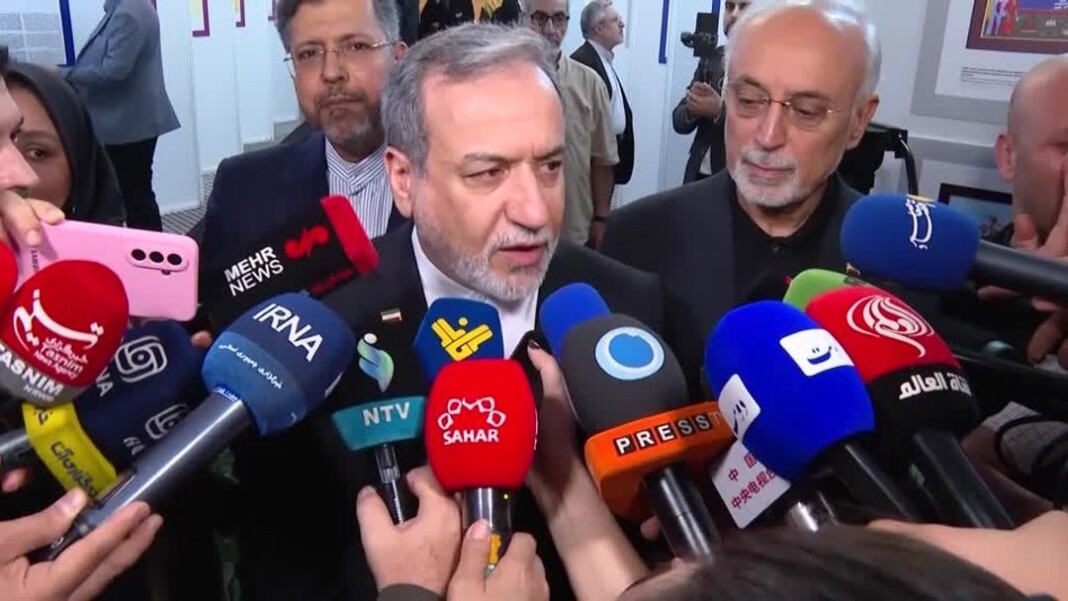
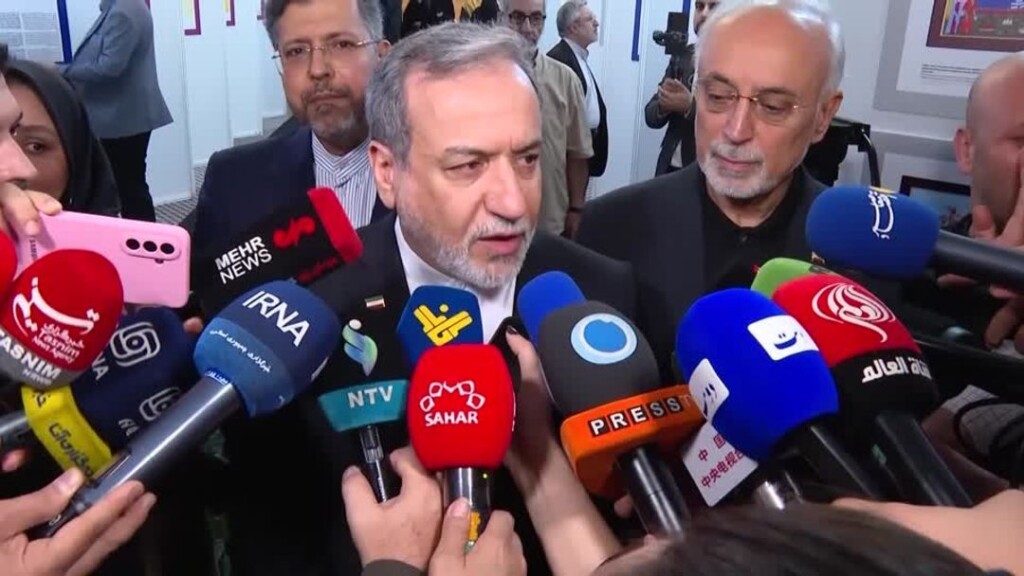
Despite the increasingly tense rhetoric between Washington and Tehran, negotiations between Iran and Oman have continued.
Iranian Foreign Ministry spokesman Esmaeil Baghaei said the discussions were progressing “smoothly and constructively.”
According to Tehran, the two sides have reached an understanding on a map outlining a proposed shipping route through the Strait of Hormuz.
However, several technical matters remain unresolved.
The discussions reportedly include maritime services that would normally require payment, including navigation assistance, environmental protection, maritime services and efforts to combat crime.
The financial aspect of those services has become particularly sensitive because US officials have rejected any arrangement that would allow Tehran to impose access fees on vessels using the strait.
That disagreement could become a major obstacle to implementation even if Iran and Oman finalise their technical arrangement.
Why The Strait Of Hormuz Matters
Major Energy Route Remains Blocked
The Strait of Hormuz reopening has become one of the most important issues in the confrontation between Iran and the United States.
Before the conflict, roughly one-fifth of global oil and liquefied natural gas supplies moved through the waterway.
The effective disruption of the route since the beginning of the war has therefore had consequences far beyond the Middle East.
Reduced shipping through Hormuz has contributed to higher energy prices and increased concerns about inflation.
For oil-importing nations, a prolonged disruption could increase transportation and energy costs.
For Gulf producers, the situation threatens one of the world’s most important routes for reaching international markets.
The possibility of a new shipping arrangement involving Oman has therefore generated considerable interest among governments, energy companies and shipping operators.
Trump Faces Pressure Over War
High Fuel Prices Add Political Risk
Trump’s latest demand comes as the US president faces domestic pressure over the continued conflict and its economic consequences.
The war has become increasingly unpopular in the United States, while higher fuel prices have emerged as a particularly sensitive issue in rural communities that have traditionally supported Trump.
Democratic Representative Bill Keating described the changing situation as “the beginning of a capitulation.”
His comments reflected a growing political debate over whether Washington’s military strategy has achieved its intended objectives.
The administration faces a difficult balance between maintaining pressure on Tehran and finding a diplomatic solution that could reduce energy-market disruption.
US Claims On Hormuz Face Dispute
Iran Maintains Influence Over Shipping
Trump has repeatedly suggested that the United States controls the Strait of Hormuz.
On Monday, he again claimed that the waterway was open and said: “The only one that has control of the Strait of Hormuz right now is the United States Navy.”
Iran’s actions, however, indicate that Tehran continues to exert substantial influence over vessels attempting to pass through the waterway.
Iranian forces have targeted commercial ships that Tehran says attempted to cross the strait without permission.
That reality has complicated Washington’s efforts to demonstrate that military pressure alone can restore unrestricted commercial passage.
US officials have also rejected the idea of allowing Iran to charge vessels for access to the waterway.
Ceasefire Remains Fragile
Washington And Tehran Still At Odds
The latest dispute follows a ceasefire agreement reached between Washington and Tehran in June.
However, the truce subsequently deteriorated after the United States reimposed a blockade on Iranian shipping in July.
Iran accused Washington of violating the ceasefire, while Tehran responded with missile and drone attacks against US allies in the region.
The continuing confrontation has made diplomatic progress considerably more difficult.
Although Oman has emerged as an important intermediary, the broader disagreement between Iran and the United States remains unresolved.
The competing compensation demands could therefore become another barrier to restoring confidence between the two sides.
What Iran Wants From A Hormuz Deal
Iran’s demands extend beyond simply reopening the waterway.

Tehran wants the United States to provide compensation for damage caused by military attacks, remove sanctions and end what it describes as continuing military threats.
Iran also wants arrangements concerning the security and management of shipping through the strait.
For Tehran, any agreement that restores unrestricted commercial traffic without addressing those issues could weaken its negotiating position.
Washington Rejects Iranian Leverage
The United States, meanwhile, appears unwilling to accept an arrangement that gives Iran significant financial or operational control over the waterway.
American officials have particularly opposed any proposal that would permit Tehran to charge vessels for passage.
This creates a fundamental disagreement over how the Hormuz shipping deal would operate.
Iran wants guarantees and concessions before reopening the route, while Washington wants commercial traffic restored without giving Tehran additional leverage.
Global Markets Watch Negotiations
The uncertainty has already affected financial markets.
Oil prices moved sharply higher following the latest developments, reflecting concerns that the waterway could remain disrupted for longer than previously expected.
The longer the crisis continues, the greater the potential pressure on energy supplies, shipping costs and inflation.
A successful agreement could ease some of those concerns.
But if the negotiations collapse, traders may increasingly price in the possibility of prolonged disruption around one of the world’s most important energy chokepoints.
Hormuz Deal Faces Critical Test
The Iran US negotiations now face a difficult test.
Iran and Oman may be close to completing their technical discussions, but the wider political dispute with Washington could prevent that arrangement from translating into a full reopening of the waterway.
Trump’s new compensation demand has effectively introduced another major issue into an already complicated negotiation.
Tehran’s demand for compensation, sanctions relief and an end to military threats is now being met with Washington’s insistence that Iran should also pay for deaths and damage.
Read also: Who is Iran’s Mohsen Rezaei, new security chief?
That exchange has made a rapid diplomatic breakthrough less certain.
For shipping companies and energy markets, the immediate question remains whether the competing demands can be reconciled.
Until they are, hopes of restoring normal commercial passage through the Strait of Hormuz will remain under pressure.
About The Author