

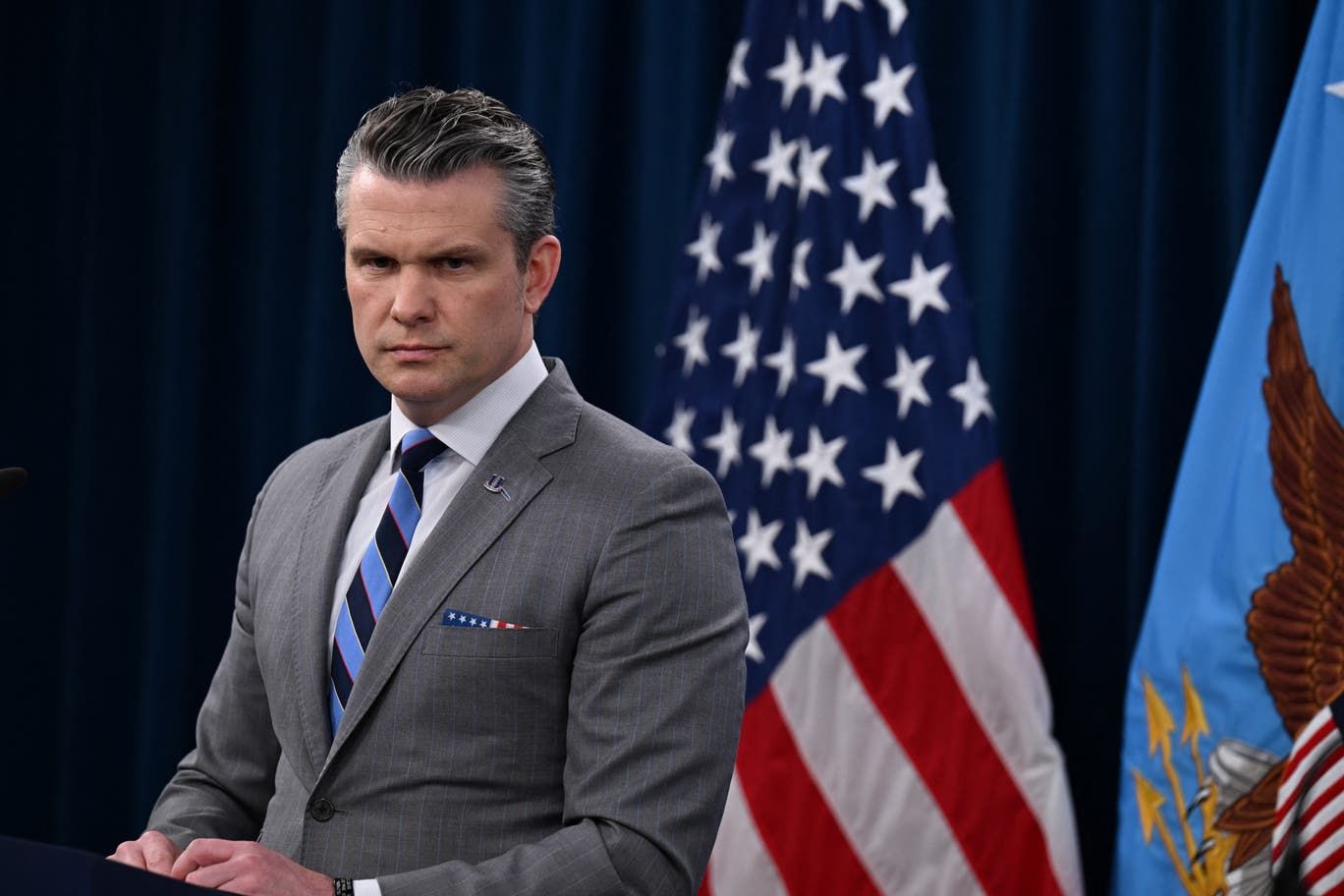
US defence secretary Pete Hegseth sharply escalated transatlantic tensions on Friday as Hegseth escalates Strait of Hormuz tensions became the defining theme of renewed friction between Washington and its European allies over maritime security and NATO burden-sharing.
Addressing reporters at the Pentagon, Hegseth criticised Europe’s reliance on US military protection and urged allies to take a more active role in securing critical global shipping lanes, particularly the Strait of Hormuz.
“The time for free riding is over,” he said. “We are not counting on Europe, but they need the Strait of Hormuz much more than we do… stop talking and get in a boat.”
A US official, speaking to Reuters, confirmed internal discussions within the Pentagon regarding allied contributions to maritime security operations, though no formal policy changes have been announced.
The Strait of Hormuz, a vital chokepoint for global oil shipments, has become increasingly sensitive amid ongoing US–Iran tensions and expanded naval deployments in the Gulf region.
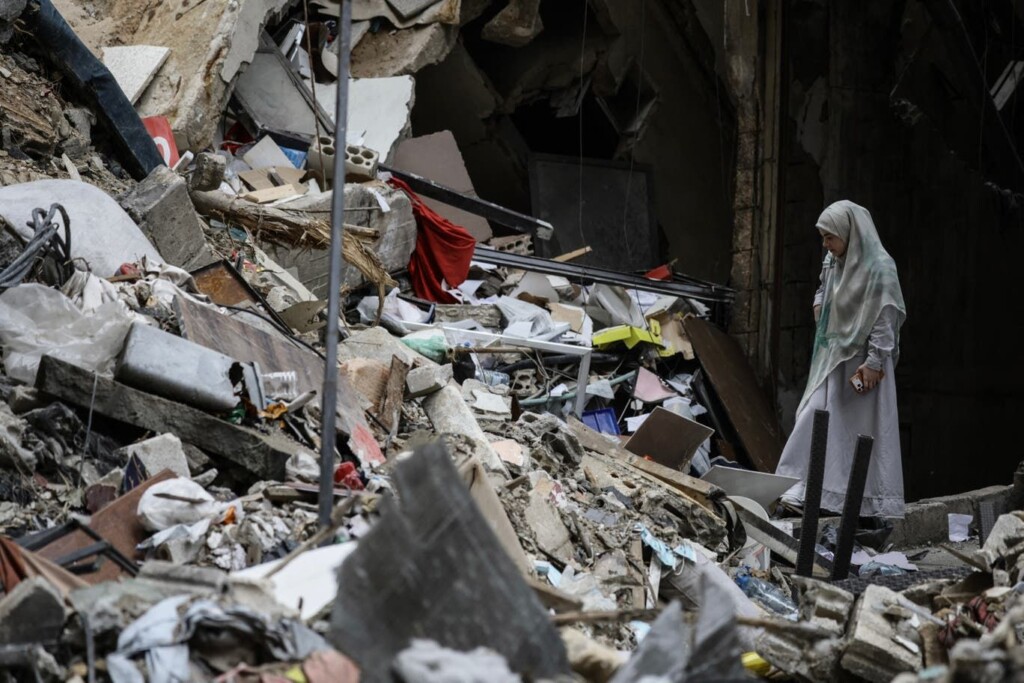
Rising NATO strain over Gulf security and military burden-sharing
Hegseth’s comments reflect widening disagreement within NATO over how responsibility should be shared in securing international shipping routes and responding to Iran-linked maritime threats.
He accused some allies of relying too heavily on US naval power while contributing insufficiently to joint operations.
“Being an ally is not a one-way street,” he said. “We deserve partners who step up when global security demands it.”
Diplomatic sources note that European governments have grown increasingly concerned about Washington’s sharper tone on alliance obligations, particularly in relation to Middle East security operations.
A NATO official reiterated that alliance rules do not allow for suspension or expulsion of member states, responding to speculation about internal US frustration.
Strait of Hormuz pressure point: Iran, energy security and global risk
Strategic chokepoint under renewed strain
The Strait of Hormuz remains one of the world’s most critical maritime corridors, with nearly 20% of global oil shipments passing through its waters.
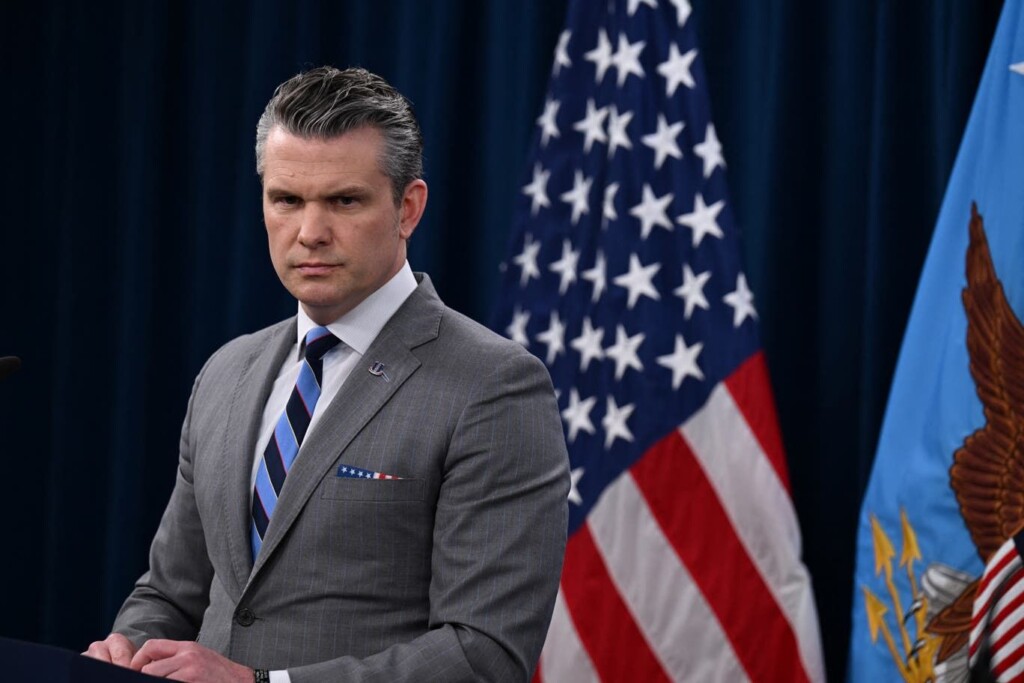
Any disruption in the region carries immediate consequences for global energy markets, shipping insurance costs, and supply chain stability.
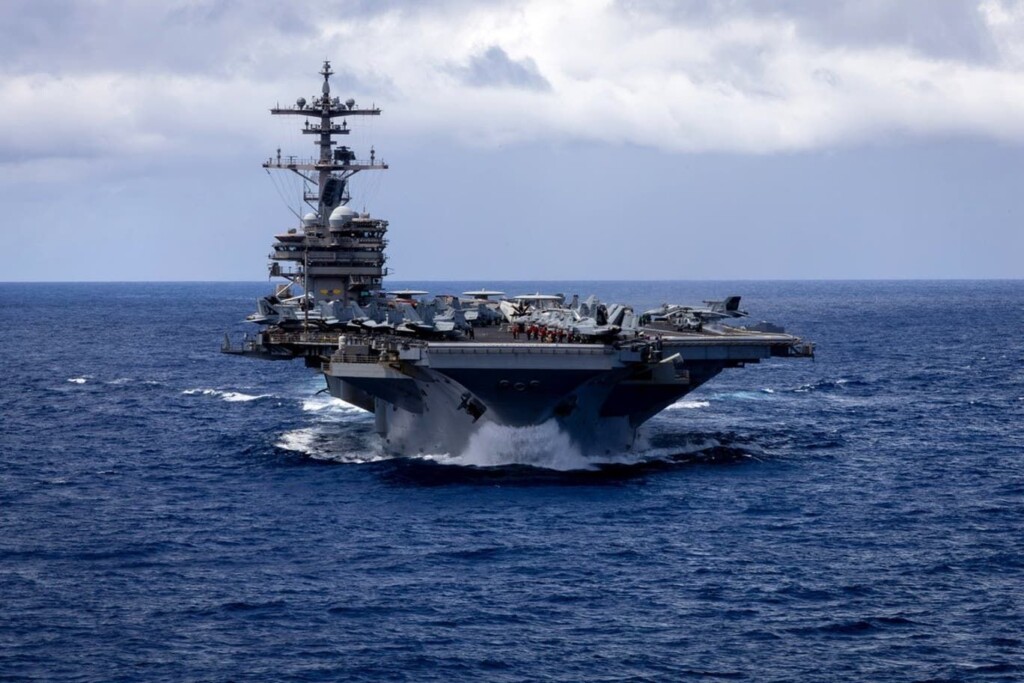
The US Navy has expanded its operational presence in the Gulf in response to rising tensions, while Iran continues to exert pressure on maritime traffic amid stalled diplomatic negotiations.
Reuters reporting and official military assessments
According to Reuters, internal Pentagon communications have explored options to increase allied participation in maritime enforcement operations, reflecting frustration within parts of the US defence establishment.
However, officials stressed that no formal decision has been taken to alter NATO commitments or impose punitive measures on allies.
European officials, meanwhile, have privately expressed concern over growing rhetorical pressure from Washington.
Comparative leadership tone: from consensus diplomacy to assertive command style
Hegseth’s approach marks a shift toward more direct and publicly confrontational messaging compared with traditional US defence diplomacy.
Earlier Pentagon leadership typically emphasised alliance cohesion and multilateral consultation, even during periods of strain.
Analysts say the current tone reflects a more transactional view of NATO obligations, where operational contribution is increasingly emphasised over diplomatic consensus.
This contrasts with earlier eras of US defence leadership that prioritised behind-the-scenes coordination rather than public criticism of allies.
Transatlantic friction and strategic realignment pressures
The comments come amid broader tensions between the US and Europe over defence spending, operational responsibility, and geopolitical alignment in the Middle East.
Read also: Syria Tadamon massacre arrest: Suspected ringleader behind killing of 288 civilians captured
European governments are already reassessing long-term security dependencies as debates grow over the sustainability of US-led global military commitments.
Hegseth’s remarks are likely to intensify discussions within NATO about force distribution and maritime readiness in high-risk zones such as the Gulf.
Energy markets and geopolitical implications
Energy analysts warn that continued instability in the Strait of Hormuz could increase global oil price volatility and raise transport costs across Europe and Asia.
Even limited disruptions to shipping lanes could have immediate knock-on effects for global inflation and energy security.
About The Author
