

The Albanese government is undertaking its largest defence bureaucracy overhaul since the 1970s while Australia is tracking Chinese navy flotilla movements, reflecting growing regional security concerns and defence efficiency priorities.
Labor’s reforms merge three major agencies: Capability Acquisition and Sustainment Group, Guided Weapons and Explosive Ordnance Group, and Naval Shipbuilding and Sustainment Group, aiming to streamline procurement and oversight.
A new independent Defence Delivery Agency will oversee billions of dollars in complex military projects, consolidating responsibilities that previously accounted for nearly forty percent of departmental functions.
Defence Minister Richard Marles said the reforms focus on achieving better value for money while reducing persistent project delays and budget blowouts across major Australian defence acquisitions.
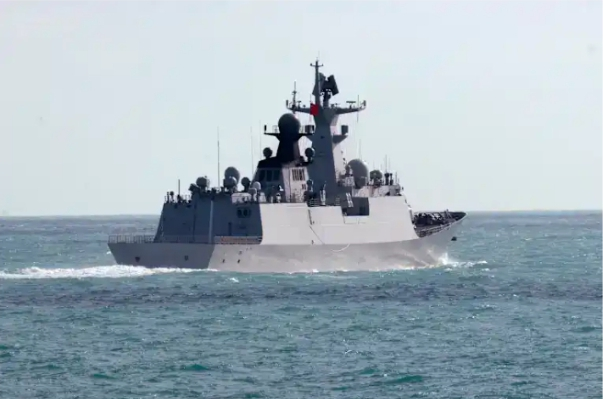
On the same day, Marles confirmed that Australia is tracking Chinese navy flotilla operations in the Philippine Sea, capable of reaching Australian waters later this year, though its intentions remain unclear.
“We maintain constant maritime domain awareness across our regions of interest and will monitor PLA vessel movements until it is confirmed they are not approaching Australian territory,” Marles said.
Earlier this year, a Chinese naval task group unexpectedly circumnavigated Australia, causing alarm at the highest levels in Canberra and prompting discussions about enhanced maritime monitoring and intelligence gathering.
The Defence Delivery Agency, to be operational from July 2026 and independent by July 2027, will be led by a national armaments director and centralize project management after cabinet approval.
Labor’s strategic review found procurement systems fragmented, with excessive bureaucracy creating inefficiencies that left thirty major projects collectively ninety-seven years behind schedule, illustrating the need for structural reforms.
Greens defence spokesperson David Shoebridge criticized the plan, stating that merely renaming agencies will not resolve systemic issues and that the same personnel overseeing previous procurement failures will lead the new agency.
Separately, a new AUUKUS group within the Department of Prime Minister and Cabinet will oversee trilateral cooperation with the United States and the United Kingdom, led by Deputy Secretary Kendra Morony.
The AUUKUS initiative focuses on advanced defence technology and nuclear-powered submarine development, reflecting Australia’s efforts to enhance regional security partnerships and strengthen strategic deterrence capabilities.
US officials have publicly pressured Australia to increase defence spending from the current 2% of GDP to as much as 3.5%, influencing government plans for asset sales and reinvestment in defence capabilities.
Labor has flagged the potential sale of Brisbane’s Victoria Barracks and Sydney’s Spectacle Island, with proceeds expected to fund infrastructure upgrades and the modernisation of key military project delivery mechanisms.
In February, a Chinese cruiser, frigate, and supply ship conducted live-fire exercises in the Tasman Sea, forcing commercial flights to alter routes and demonstrating the dangers posed by unannounced naval operations near Australia.
The new Defence Delivery Agency will centralize oversight of complex projects, aiming to deliver capabilities on time and within budget, while addressing delays and cost overruns that have plagued Australia’s defence procurement.
Marles emphasized that the Defence Delivery Agency will ensure “a much bigger bang for the buck,” improving project quality and accountability while maintaining operational readiness across the Australian Defence Force.
Australia tracking Chinese navy flotilla activity is part of routine surveillance, reflecting the country’s focus on maintaining maritime domain awareness across the Pacific, Indian Ocean, and key strategic Asian corridors.
The strategic overhaul also strengthens decision-making through the national security committee of cabinet, which will approve acquisitions based on recommendations from defence and the new agency, ensuring clarity and accountability.
By consolidating authority and streamlining procurement, Australia aims to improve its capacity to deliver major projects, enhancing both domestic defence capability and regional deterrence in an increasingly contested security environment.
Officials say the Defence Delivery Agency will not result in major job cuts; a temporary taskforce will initially manage the transition and provide guidance on merging existing personnel and resources.
Marles has stated that the reforms will greatly improve the quality of the defence spend while supporting the government’s goal of timely and cost-efficient delivery of Australia’s critical military programs.
The ongoing monitoring of Chinese naval activity underscores Australia’s vigilance in a region experiencing growing maritime assertiveness, with particular focus on PLA movements and potential approaches to Australian territory.
By July 2027, the Defence Delivery Agency will operate fully independently, consolidating procurement, project management, and delivery functions to strengthen accountability and reduce long-standing inefficiencies.
Australia tracking Chinese navy flotilla developments highlights the need for robust maritime intelligence capabilities and rapid decision-making processes to respond to emerging threats across strategic sea lanes.
The government believes the Defence Delivery Agency will allow more effective management of major projects, including naval shipbuilding, guided weapons systems, and complex sustainment programs that have historically faced delays.
The reforms coincide with global security trends, increased Chinese naval activity, and AUUKUS commitments, aiming to modernize Australia’s defence bureaucracy while reinforcing strategic partnerships with allied nations.
With these changes, Australia is positioning itself to respond more effectively to regional threats while ensuring better governance, accountability, and efficiency in the delivery of defence programs.

About The Author


